Fountains in the sand: rambles among the oases of Tunisia
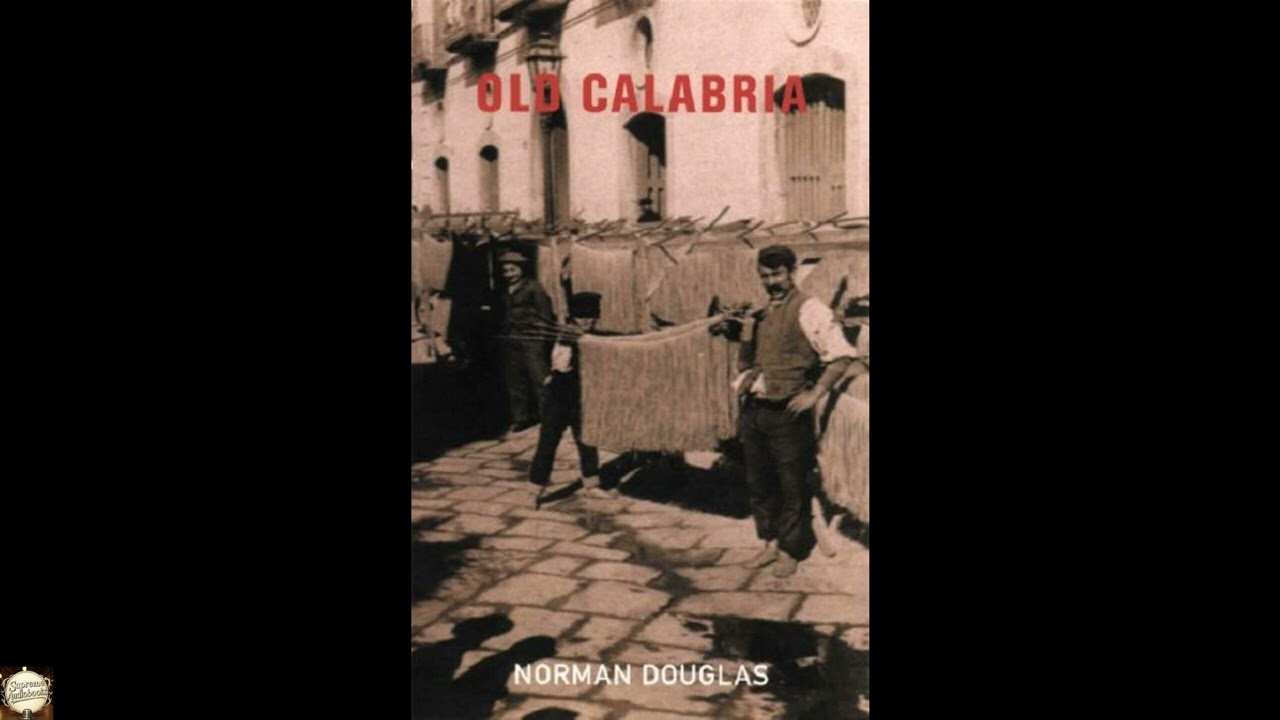
Step into a North Africa unlike any you’ve imagined, a landscape of stark beauty and ancient rhythms, seen through the discerning eyes of a writer who found fascination in every grain of sand and every drop of water. Norman Douglas’s Fountains in the Sand: rambles among the oases of Tunisia is more than a simple travelogue; it is an extended meditation on place, people, and the passage of time, inviting listeners to slow down and observe the world with a clarity that remains strikingly relevant today. Here is a book that champions detailed observation and independent thought, offering a unique window into a specific corner of the globe at a moment of profound cultural intersection. Douglas’s wit and erudition make for an experience that is both intellectually stimulating and deeply transporting, an invitation to consider the delicate balance between human endeavor and the overwhelming power of nature. The narrative of Fountains in the Sand follows Douglas as he immerses himself in the arid, captivating world of southern Tunisia, far from the more familiar coastal cities. His account is not a structured plot with a rising action and climax in the conventional sense, but rather a progression of encounters and observations, akin to an extended intellectual stroll through a foreign land. He describes the daily lives of the Bedouin, the settled populations of the oases, and the local French administrators, providing a vivid mosaic of the region's inhabitants. The book opens with the author establishing his purpose: to understand the character of the desert oases, the practicalities of water management in a harsh environment, and the intricate social structures that thrive despite formidable natural challenges. Douglas moves from one oasis to another, detailing the unique features of each—its flora, fauna, geological peculiarities, and the idiosyncrasies of its people. His "rambles" are punctuated by meticulous descriptions of the landscape, from the shimmering heat of the salt lakes to the cool, date-palm shaded gardens, always returning to the central theme of water as the lifeblood of these isolated communities. We meet various local characters who serve as guides, informants, or simply subjects of his keen sociological interest, allowing Douglas to present a textured account of human adaptation and resilience in a world governed by ancient customs and the immutable laws of the desert. The arc of the story is the deepening of the author's understanding, a gradual peeling back of superficial impressions to reveal the complex layers of an often-misunderstood culture. Norman Douglas, born in 1868 in Austria to a Scottish father and German mother, led a life as unconventional and adventurous as his prose. Educated in Germany and at Rugby, he later served in the British diplomatic corps, experiences that no doubt honed his observational skills and broadened his cultural perspectives. However, it was his independent scholarship and literary endeavors that truly defined him. He eventually settled for many years on Capri, becoming a prominent figure among the expatriate artists and intellectuals who found refuge and inspiration there in the early twentieth century. Douglas possessed a remarkable breadth of knowledge, fluent in multiple languages and deeply versed in classical literature, geology, and zoology, all of which often found their way into his writing. His bibliography includes celebrated novels like South Wind (1917), which satirized the bohemian life on Capri, and other highly regarded travel books such as Siren Land (1911) and Old Calabria (1915). These works cemented his reputation as a writer of precise, elegant prose, marked by an acute sense of place and a dry, often ironic wit. Douglas's unique position at the intersection of European intellectual traditions and a decidedly non-conformist lifestyle allowed him to carve out a distinct niche in early twentieth-century literature, often categorized with Edwardian writers but with a clear, idiosyncratic voice that resisted easy classification. His contributions are valued for their candid observations, their intellectual rigor, and their enduring stylistic grace. A central theme running through Fountains in the Sand is the profound influence of the physical environment on human culture and character. Douglas meticulously shows how the scarcity of water in the Tunisian oases shapes everything from agricultural practices and property laws to social hierarchies and religious beliefs. For instance, he details the elaborate irrigation systems, often centuries old, and how disputes over water rights are fundamental to community life. He also highlights the contrast between the fleeting presence of human settlements and the enduring, monumental scale of the desert itself, often pausing to reflect on ancient Roman ruins that speak to past empires swallowed by the sand, providing a stark example of nature's ultimate triumph over human ambition. Another significant theme is the clash and coexistence of cultures, particularly between the indigenous North African populations and the French colonial administration. Douglas, while an observer from a European perspective, often critiques the superficiality or misunderstandings of the colonial power. He illustrates this by recounting interactions with French officials whose bureaucratic pronouncements often fail to grasp the nuanced realities of local customs, such as land tenure or traditional justice. Through these encounters, Douglas subtly points out the limitations of imposing external systems onto deeply rooted ways of life, advocating for a more empathetic and informed understanding of difference. Fountains in the Sand appeared in print in 1912, a pivotal moment in European history, just on the cusp of the First World War. This period was characterized by the zenith of European colonialism, with France having established a protectorate over Tunisia since 1881. There was a burgeoning interest in "Orientalist" subjects in art and literature, though Douglas's approach was more grounded in scientific observation and personal experience than many romanticized portrayals. His work emerged from a literary atmosphere where non-fiction and travel writing were gaining popularity, moving beyond simple factual reporting to incorporate personal reflection, cultural commentary, and a more sophisticated literary style. Douglas's perspective, colored by his classical education and his nuanced understanding of cultural differences, offered a counterpoint to more overtly imperialistic or purely anthropological accounts, providing a deeply personal yet widely resonant account of a world undergoing significant transformation. Listening to Fountains in the Sand as an audiobook offers a singular opportunity to fully absorb Douglas's precise prose and atmospheric descriptions. The extended run length encourages a contemplative listening experience, allowing the listener to truly settle into the rhythm of Douglas’s observations, much as he settled into the rhythm of the oases. A skilled narrator will bring to life not only the vivid imagery of the Tunisian landscape—the rustle of date palms, the murmur of irrigation channels, the vast silence of the desert—but also the subtle humor and intellectual curiosity of Douglas’s voice. Pay attention to the narrator’s pacing, which should mirror the unhurried yet purposeful movement of Douglas himself, allowing the rich detail and astute cultural commentary to unfold naturally, transporting you directly into the heart of a North African world that, though distant in time, still resonates with lessons about humanity and environment.
Enjoyed Fountains in the sand: rambles among the oases of Tunisia? A few ways to support us
Audible & Amazon links are affiliate; we may earn a small commission at no extra cost.
About this production
Human narration by a volunteer reader from LibriVox.org, the public-domain audiobook project. LibriVox volunteers record literary works whose copyright has expired in the United States, releasing the resulting recordings into the public domain.
Fountains in the sand: rambles among the oases of Tunisia by Norman Douglas. The underlying text is in the U.S. public domain. We do not republish any modern copyrighted edition, translation, or commentary.
The 4K cinematic visuals accompanying this audiobook are generated by an AI image model from prompts derived from the source text. No copyrighted photos, paintings, or stock footage are used. AI generation is disclosed on every video on our YouTube channel as required by YouTube's altered/synthetic content policy.
English subtitles are transcribed from the LibriVox recording with OpenAI Whisper. Translations into the 11 other supported languages are produced by Meta's NLLB-200 neural translation model. No human translator's copyrighted translation is used.
Questions about sourcing or rights? See our DMCA & Sourcing policy or contact us.
Enjoyed this audiobook?
If you'd like to own a copy of Fountains in the sand: rambles among the oases of Tunisia or hear a professionally produced edition, the links below help support free audiobook production at no extra cost to you.
As an Amazon Associate we earn from qualifying purchases. Audible / print links are affiliate.