The Lion of Petra
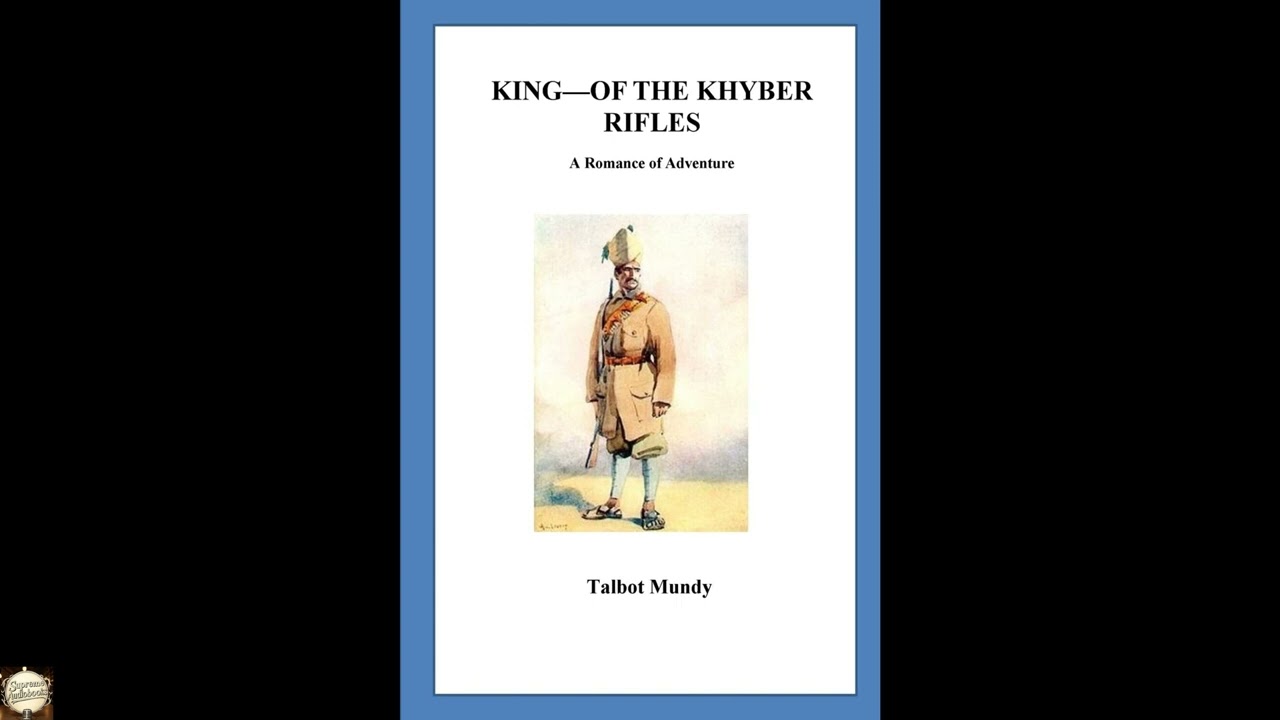
Step into a world of shifting sands, ancient secrets, and daring courage with Talbot Mundy's The Lion of Petra. This enthralling novel transports listeners to the heart of the Jordanian desert, an arid expanse where forgotten histories whisper from sun-baked stones and the fate of nations hangs by a thread. First published in the early 1920s, Mundy's tale offers more than just a thrilling adventure; it presents a vivid snapshot of an era when the British Empire cast a long shadow across the Middle East, blending geopolitical intrigue with the enduring human dramas of loyalty, ambition, and survival. For anyone drawn to stories of audacious heroes, powerful villains, and the clash of cultures in an exotic setting, this classic delivers an escape that resonates with enduring appeals to the spirit of discovery and the fight for freedom. The story unfurls amidst the majestic, rose-red city of Petra, a historical marvel carved into sandstone cliffs, a place of archaeological wonders and strategic importance. Here, amidst the tombs and temples, the listener meets Captain King, a resourceful and morally steadfast British intelligence officer. His mission involves navigating tribal loyalties, colonial ambitions, and ancient prophecies converging in this pivotal locale. A looming threat destabilizes the delicate balance of power: a shadowy figure known only as "The Lion," a charismatic and formidable leader who seeks to unite various factions under his banner, potentially sparking a wider conflict. Is this Lion a patriot, a ruthless warlord, or something far more enigmatic? King must discern the truth before the entire region erupts into open warfare. The narrative propels King through a series of perilous encounters and tense diplomatic maneuvers—daring raids, encounters with treacherous spies, and moments of profound cultural exchange with local inhabitants. A cast of memorable characters surrounds him: wise desert sheikhs, Bedouin warriors, and cunning adversaries, each with their own allegiances and secrets. As King races against time, he uncovers layers of historical mystery connecting Petra's ancient grandeur to the present-day struggle for control. The conflict intensifies as King realizes the true stakes are not merely political dominance but the very soul of a people and the preservation of their heritage against external forces. The quest becomes deeply personal as alliances shift and betrayals threaten to derail his every effort, driving him ever closer to a confrontation with the mysterious Lion and the revelation of his true identity. Talbot Mundy, born William Lancaster Gribbon in England in 1879, was a writer whose own life was as adventurous as the tales he spun. A restless spirit from a young age, he left England as a teenager, living a life that crisscrossed continents and cultures. He spent significant periods in India, East Africa, and South Africa, witnessing firsthand the landscapes, peoples, and imperial dynamics that would so profoundly shape his literary output. This lived experience provided an authenticity and richness to his settings that many contemporaries lacked, distinguishing his work from purely armchair adventurers. Mundy eventually settled in America, where he became a prolific author, publishing dozens of novels and short stories. He is perhaps best known for King—Of the Khyber Rifles, a foundational text in the adventure genre, and for his Jimgrim series, which continued his fascination with intelligence officers operating in the Middle East and Asia. Mundy’s stories often blended high-stakes action with a strong undercurrent of Eastern mysticism and ancient wisdom, positioning him as a unique voice within the broader movement of early 20th-century popular literature. He was a popular figure, widely read during his time, and his work resonated with a public eager for tales of heroism in far-flung corners of the world. While not always subjected to deep academic scrutiny, Mundy's contributions to the adventure genre and his distinctive blend of excitement and philosophical inquiry secured his place as a significant, if often overlooked, literary figure of his era. He continued to write until his death in 1940, leaving behind a substantial body of work that continues to attract new audiences. Beyond the pulse-pounding action, The Lion of Petra is a novel deeply concerned with a number of resonant themes that lend it enduring substance. One prominent theme is the clash of civilizations and cultures. Mundy skillfully portrays the friction and occasional understanding between the British colonial presence and the indigenous peoples of the Middle East. Through Captain King's interactions with Bedouin tribesmen and local leaders, the narrative illustrates both the challenges of cross-cultural communication and the possibility of mutual respect, even amidst conflict. For instance, moments of shared humanity emerge when King, despite his foreign allegiances, finds common ground or earns the trust of a local elder through an act of genuine understanding, transcending the immediate political divides. Another central theme is courage and loyalty, examined not just through overt acts of heroism but also in quieter, more personal moments. Characters frequently face moral dilemmas where their personal convictions are tested against political expediency or personal danger. A specific scene might show a loyal aide refusing to betray King under duress, demonstrating unwavering faithfulness, or King himself making a selfless decision that places him in peril for the sake of those he seeks to protect. Furthermore, the novel engages with the allure of ancient wisdom and forgotten histories. Petra itself, with its monumental ruins, acts as a powerful symbol, suggesting the weight of centuries of knowledge and the secrets buried beneath its sands, inviting both the characters and the listener to consider the enduring legacy of the past on the present day struggles. Talbot Mundy wrote The Lion of Petra at a particularly volatile and fascinating moment in global history, with its publication arriving in 1922. The First World War had just concluded, leaving a profoundly altered geopolitical landscape, especially in the Middle East. The dissolution of the Ottoman Empire created a power vacuum, and former Ottoman territories were subsequently carved into mandates under the control of Britain and France. This era was characterized by intense geopolitical jockeying, the rise of Arab nationalism, and significant Western engagement in the region, both political and economic. Mundy’s choice of setting – Jordan and its historical jewel, Petra – was thus no accident; it placed his narrative squarely in a region undergoing immense transformation and ripe with dramatic possibilities. Literarily, the early 20th century was a golden age for adventure fiction and stories set in exotic locales. Writers like H. Rider Haggard had already established a voracious public appetite for tales of lost civilizations, daring explorers, and the clash of 'civilized' and 'primitive' worlds. Mundy built upon this tradition, but he often injected his narratives with a unique blend of spiritualism and a genuine, albeit sometimes patronizing, interest in the philosophical traditions of the East. The Lion of Petra emerged from this cultural milieu, speaking to a public both fascinated by the mysteries of distant lands and concerned with the strategic implications of imperial expansion. It reflects the prevalent attitudes of the time while offering an imaginative escape into a world of both danger and profound beauty. Bringing this rich narrative to life through audio elevates the listening experience, allowing the inherent drama and atmosphere of Mundy’s prose to truly flourish. The spoken word delivers an immediacy that captures the crackle of desert air, the suspense of a clandestine meeting in a hidden cave, or the thundering hoofbeats of a pursuit across sandy wastes. A skilled narrator can artfully differentiate the myriad voices of the characters—from the crisp pronouncements of British officers to the nuanced dialects of Bedouin sheikhs—drawing the listener deeper into the cultural mosaic. With a run time of several hours, The Lion of Petra is ideal for absorbing over a few evenings, during a long commute, or while engaged in quiet tasks, allowing the unfolding events to become a seamless part of your day. Pay attention to the pacing, which can build tension with slow, deliberate descriptions before accelerating into thrilling action sequences. The narration lets the story breathe, inviting you to visualize the ancient city, feel the desert heat, and become fully immersed in Captain King's perilous quest to uncover the truth behind The Lion.
Enjoyed The Lion of Petra? A few ways to support us
Audible & Amazon links are affiliate; we may earn a small commission at no extra cost.
About this production
Human narration by a volunteer reader from LibriVox.org, the public-domain audiobook project. LibriVox volunteers record literary works whose copyright has expired in the United States, releasing the resulting recordings into the public domain.
The Lion of Petra by Talbot Mundy. The underlying text is in the U.S. public domain. We do not republish any modern copyrighted edition, translation, or commentary.
The 4K cinematic visuals accompanying this audiobook are generated by an AI image model from prompts derived from the source text. No copyrighted photos, paintings, or stock footage are used. AI generation is disclosed on every video on our YouTube channel as required by YouTube's altered/synthetic content policy.
English subtitles are transcribed from the LibriVox recording with OpenAI Whisper. Translations into the 11 other supported languages are produced by Meta's NLLB-200 neural translation model. No human translator's copyrighted translation is used.
Questions about sourcing or rights? See our DMCA & Sourcing policy or contact us.
Enjoyed this audiobook?
If you'd like to own a copy of The Lion of Petra or hear a professionally produced edition, the links below help support free audiobook production at no extra cost to you.
As an Amazon Associate we earn from qualifying purchases. Audible / print links are affiliate.