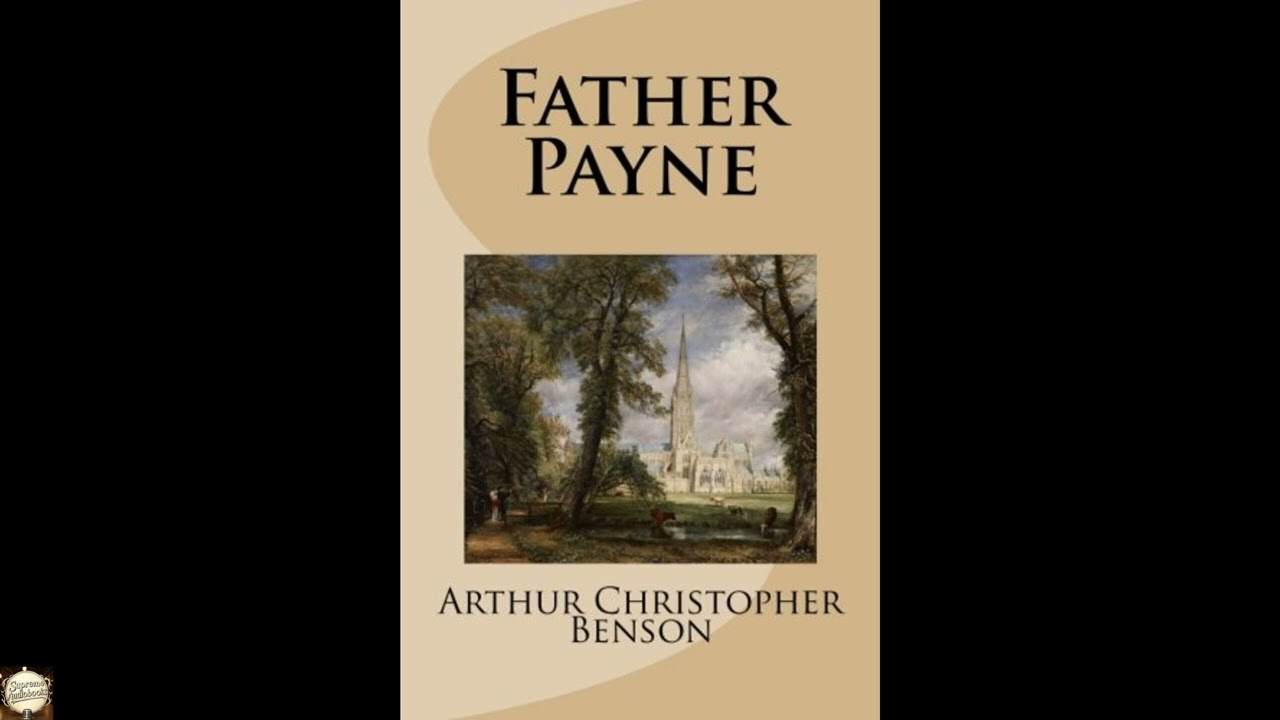
Father Payne
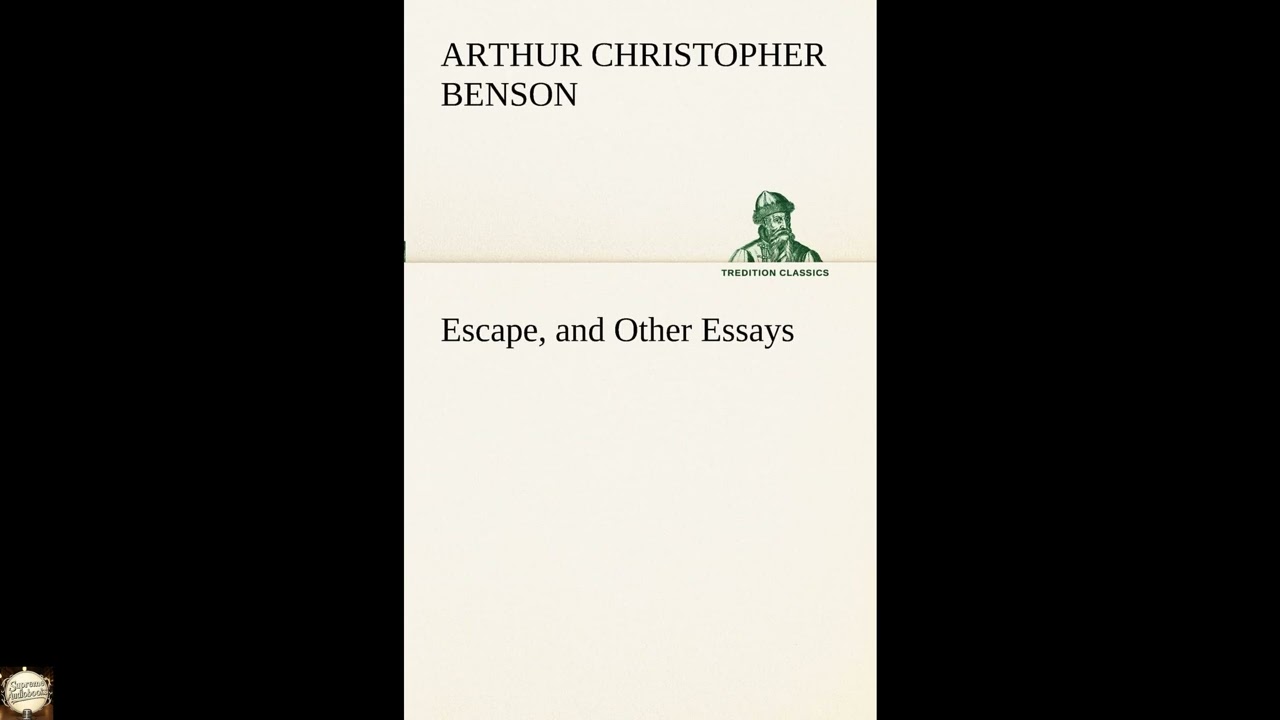
Arthur Christopher Benson’s "Father Payne" invites us into the quiet, compelling world of a remarkable, if fictional, English scholar and cleric, whose influence extends far beyond the walls of his study. This isn't a story of grand adventures or dramatic confrontations, but a profound and deeply felt contemplation of intellectual life, spiritual questioning, and the subtle power of a truly wise and humane individual. In an age often marked by noise and haste, Benson's novel offers a soothing counterpoint, providing a thoughtful examination of what it means to live a meaningful life, to reconcile faith with reason, and to leave a lasting imprint on those who seek guidance. His insights, conveyed through the gentle wisdom of Father Payne, resonate powerfully even today, prompting us to reflect on our own values and priorities in a constantly shifting world. The book does not unfurl a conventional dramatic plot with sharp twists and turns, but rather presents a series of observations, anecdotes, and conversations that collectively build a nuanced portrait of its central figure. We meet Father Payne through the eyes of various students, colleagues, and friends, who share their impressions and recount his sayings. Set primarily within the hallowed, often serene, academic and clerical environments of early 20th-century England, the narrative slowly reveals the character of this unusual man. Payne is a figure of immense learning and quiet dignity, a man who has devoted his life to scholarship and spiritual reflection, yet remains intensely human and approachable. Through these collected observations, we gradually gain insight into Father Payne’s unique blend of intellectual rigor, spiritual questioning, and gentle humanity. His world is one of books, thoughtful discussions over tea, long walks, and a profound engagement with the great ideas of history and theology. The central conflict, if one can call it that, is less external and more internal: the challenge of navigating an increasingly complex world with a steadfast moral compass, of balancing traditional faith with modern inquiry, and of finding personal peace amidst intellectual striving. The arc of the story lies in the gradual unveiling of Payne's influence – how his presence, his quiet counsel, and his unwavering integrity shape the perspectives and lives of those fortunate enough to know him. We witness the quiet power of a mind dedicated to truth and a spirit committed to compassion. The author, Arthur Christopher Benson (1862-1925), was a distinguished English essayist, poet, and scholar, a literary figure whose name evokes an era of elegant prose and thoughtful introspection. Born into a prominent family, he was the eldest son of Edward White Benson, who would become the Archbishop of Canterbury. His two younger brothers, E.F. Benson and Robert Hugh Benson, also achieved literary renown, making the Benson family a remarkable intellectual dynasty. Educated at Eton College and King’s College, Cambridge, Arthur C. Benson spent much of his life in academia, eventually becoming Master of Magdalene College, Cambridge, in 1915, a position he held until his death. Benson was an extraordinarily prolific writer, producing a vast body of work that included poetry, biographies, literary criticism, and, most famously, collections of reflective essays. Works like "From a College Window," "The Upton Letters," and "The House of Quiet" established his reputation for a calm, contemplative style, often focused on the subtle beauties of nature, the complexities of human character, and the search for inner peace. He was also instrumental in editing the letters of Queen Victoria, a significant historical undertaking. Benson occupied a particular niche in English letters during the late Victorian and Edwardian periods, representing a more traditional, gentle humanism that stood somewhat apart from the burgeoning experimentalism of the Modernist movement. His place in the canon is that of a master of the essay form, a chronicler of academic and contemplative life, and a quiet voice of wisdom. "Father Payne" enacts several profound themes that give it enduring resonance. One central theme is the reconciliation of intellectual life with spiritual faith. Payne embodies the scholar who grapples with theological questions not as settled dogma, but as living problems, always seeking deeper understanding without sacrificing his humane skepticism or deeply held convictions. He demonstrates that a rigorous mind need not shy away from the mysteries of the spirit, but can approach them with both reverence and intellectual honesty. This is often shown in his measured, patient responses to the doubts of his younger students, acknowledging their intellectual struggles while gently guiding them towards a broader perspective. Another significant theme is the profound impact of mentorship and quiet influence. Payne's character is less about direct action and more about the subtle, cumulative effect of his personality and wisdom on those around him. His gentle guidance, his capacity for deep listening, and his thoughtful observations serve as a powerful testament to how one individual can inspire and shape the lives of many, not through dramatic intervention, but through consistent example and genuine care. A third recurring idea is the search for meaning and purpose in a world prone to uncertainty. Payne is depicted as a man constantly wrestling with the big questions of existence, mortality, and the human condition, inviting those around him to join in this necessary intellectual and spiritual quest, offering a sense of stability and profundity amidst life's inherent impermanence. When "Father Payne" was published in 1917, the world was in the throes of the First World War. This turbulent historical backdrop provides a fascinating counterpoint to Benson’s serene and introspective novel. While the trenches of Europe were a crucible of unprecedented destruction and societal upheaval, Benson offered his readers a retreat into a world of intellectual calm, moral reflection, and enduring humanistic values. The book, therefore, can be seen as a balm, a quiet reaffirmation of the importance of thought, spirituality, and personal integrity during a period of immense global crisis and shifting certainties. It speaks to a yearning for stability and meaning when the old orders seemed to be crumbling. The cultural landscape of the time was also one of transition, moving away from Victorian sensibilities towards the more fragmented, experimental forms of Modernism. Benson's prose, with its clear, elegant, and contemplative style, represents a continuation of the more traditional literary forms, offering a gentle yet profound voice that provided a different kind of solace and intellectual stimulation than the radical departures seen elsewhere. It emerged from a period when the role of the academic and the cleric in shaping public thought was still deeply respected, portraying an ideal of scholarly wisdom and moral authority. Listening to "Father Payne" as an audiobook offers a particularly rich and immersive experience. A skilled narrator can truly bring to life the nuanced wisdom and gentle humanity of the central character, allowing his thoughtful observations and measured pronouncements to unfold at a natural, unhurried pace. The several hours of listening provide an opportunity to sink deeply into Benson's contemplative prose, making it an ideal companion for reflective walks, quiet evenings, or commutes where one desires intellectual stimulation without demanding a fast-paced plot. The narrator's voice, carefully chosen to convey both gravitas and warmth, can emphasize the subtle humor and profound insights embedded in Payne’s "dialogue" – which often takes the form of extended reflections – creating an atmosphere of quiet intellectual companionship that honors the book's original intent. This is a work designed to be savored, and an audio presentation perfectly suits its contemplative spirit, allowing the listener to absorb its wisdom at their own leisure.
Enjoyed Father Payne? A few ways to support us
Audible & Amazon links are affiliate; we may earn a small commission at no extra cost.
About this production
Human narration by a volunteer reader from LibriVox.org, the public-domain audiobook project. LibriVox volunteers record literary works whose copyright has expired in the United States, releasing the resulting recordings into the public domain.
Father Payne by Arthur Christopher Benson. The underlying text is in the U.S. public domain. We do not republish any modern copyrighted edition, translation, or commentary.
The 4K cinematic visuals accompanying this audiobook are generated by an AI image model from prompts derived from the source text. No copyrighted photos, paintings, or stock footage are used. AI generation is disclosed on every video on our YouTube channel as required by YouTube's altered/synthetic content policy.
English subtitles are transcribed from the LibriVox recording with OpenAI Whisper. Translations into the 11 other supported languages are produced by Meta's NLLB-200 neural translation model. No human translator's copyrighted translation is used.
Questions about sourcing or rights? See our DMCA & Sourcing policy or contact us.
Enjoyed this audiobook?
If you'd like to own a copy of Father Payne or hear a professionally produced edition, the links below help support free audiobook production at no extra cost to you.
As an Amazon Associate we earn from qualifying purchases. Audible / print links are affiliate.