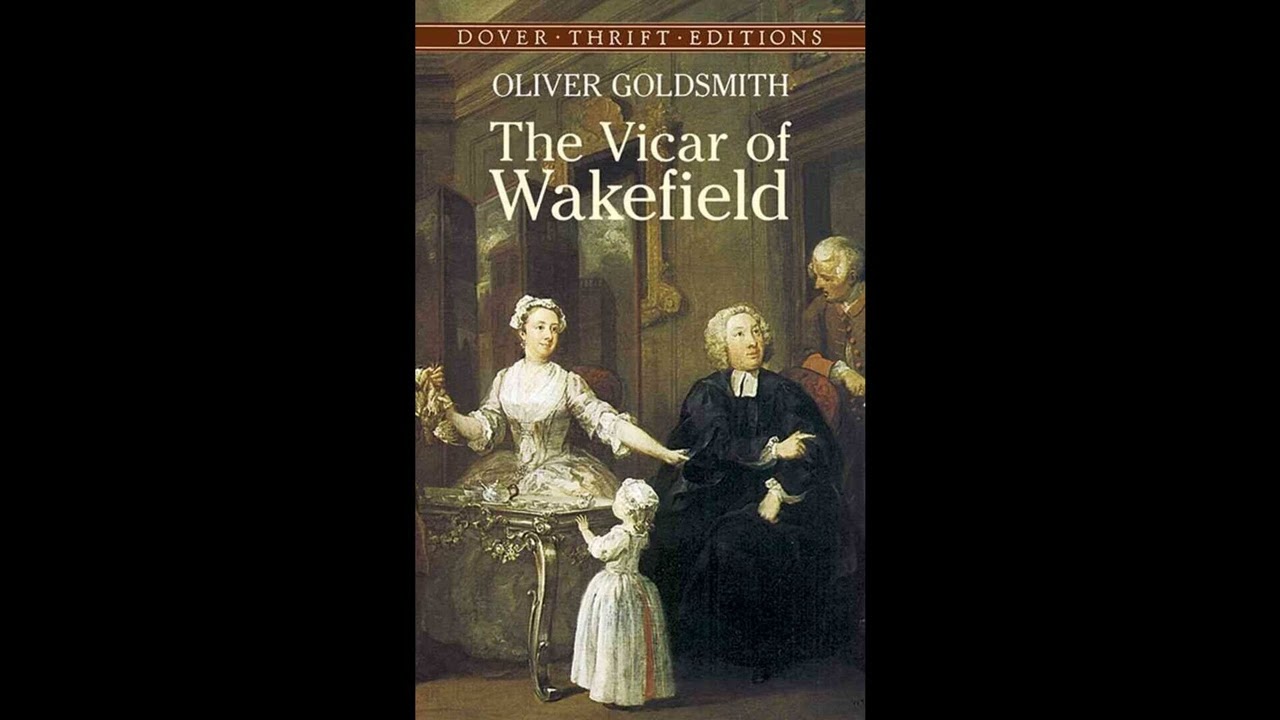
The Vicar of Wakefield
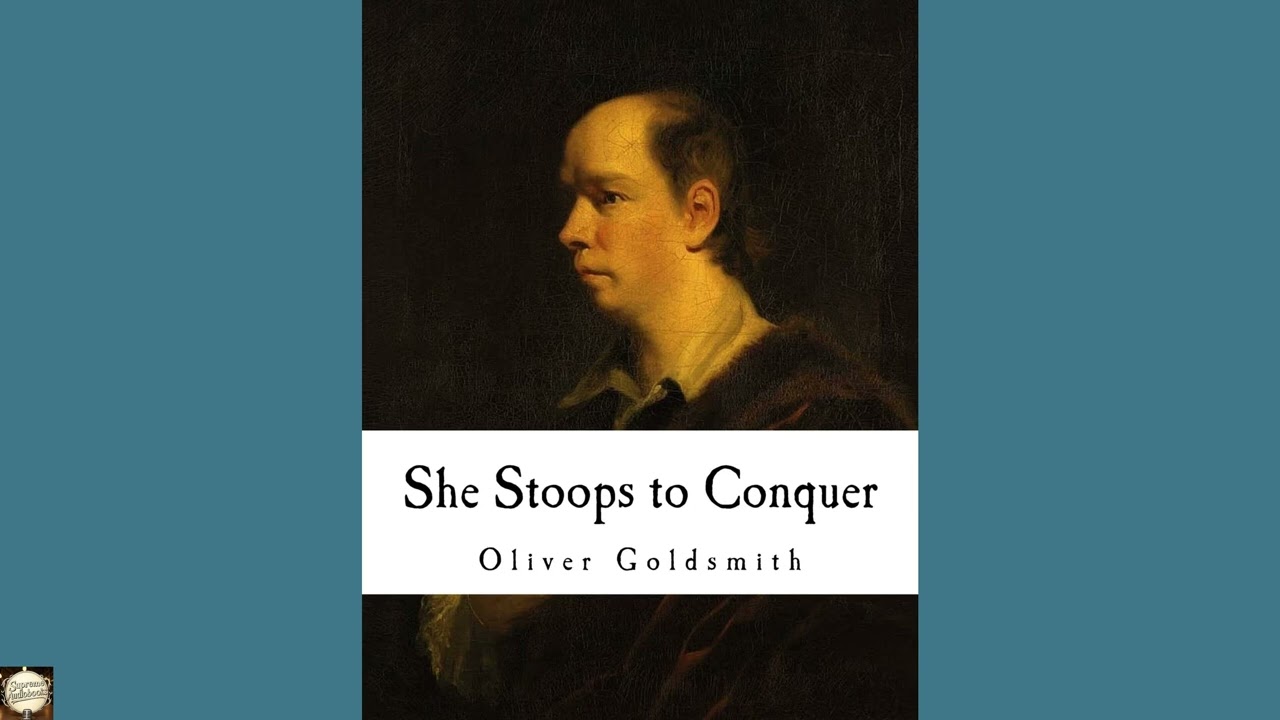
Oliver Goldsmith’s The Vicar of Wakefield invites us into a world that, at first glance, appears quaintly distant, yet resonates deeply with the human experience even today. This beloved classic, a cornerstone of eighteenth-century literature, tells a story of innocence, adversity, and unwavering virtue. It presents a gentle satire wrapped in a tender domestic drama, drawing laughter from the foibles of human nature and tears from its misfortunes. Why should a listener care about the trials of an English country vicar and his family? Because their struggles with fortune, reputation, and the complexities of love and deceit mirror the universal tests of character that define us all, offering both solace and sharp observation on how integrity can endure even the most crushing blows of fate. The story introduces us to Dr. Primrose, the eponymous Vicar of Wakefield, a man of simple faith, profound learning, and a somewhat naive, benevolent view of the world. He lives in rural contentment with his devoted wife, Deborah, and their six children—among them the beautiful Olivia and Sophia, the scholarly Moses, and the ambitious George. Their life is an idyll of domestic harmony, where the vicar holds forth on theological and philosophical matters, his wife presides over their comfortable home, and the children grow up surrounded by affection and moral instruction. However, this pastoral bliss is shattered when the family suffers a sudden and catastrophic loss of their entire fortune. Stripped of their wealth, they are forced to leave their beloved parsonage and relocate to a smaller living in a distant parish, a move that places them in closer proximity to the calculating and dissolute young Squire Thornhill, who will become a source of both temptation and suffering for the Primrose family. Their new life is marked by a series of misfortunes and tests. Dr. Primrose, despite his steadfast virtue, often finds himself outwitted by the cunning of the world, particularly in his attempts to protect his daughters from ill-intentioned suitors. The lovely Olivia falls prey to Thornhill’s deception, disappearing with him under scandalous circumstances, while Sophia also faces romantic entanglements that threaten her good name. The family’s eldest son, George, encounters his own set of trials and disappointments in his efforts to make his way in the world. As the narrative unfolds, the Primroses face imprisonment, further financial ruin, and emotional anguish, yet through it all, the vicar’s unwavering optimism and moral rectitude serve as the family’s anchor. Their journey is one of endurance, illustrating how the bonds of family and the strength of personal character are tested and ultimately reaffirmed against the backdrop of an often cruel and superficial society, all while avoiding the precise outcome of their long and arduous ordeal. Oliver Goldsmith, the novel’s gifted creator, was a prominent figure in eighteenth-century London literary circles, born in Ireland around 1728. His early life was marked by a restlessness that saw him study medicine in Edinburgh and Leiden, and then wander across Europe, often penniless, supporting himself with his flute and his wits. Upon returning to England, he struggled to establish himself, working as an usher, an apothecary's assistant, and a Grub Street hack writer before finding success as an author. He became a close friend of Samuel Johnson, Edmund Burke, and Joshua Reynolds, forming a key member of the famous literary group known simply as "The Club." Goldsmith was celebrated for his warm personality, his wit, and his generosity, though he was often plagued by financial difficulties throughout his life. Beyond The Vicar of Wakefield, Goldsmith produced a remarkable range of works across different genres. His celebrated poem The Deserted Village (1770) movingly laments the decline of rural life and the social costs of progress, while his hugely popular play She Stoops to Conquer (1773) remains a staple of the stage, a brilliant comedy of manners that satirizes the conventions of sentimentality. He also penned essays, histories, and biographies, demonstrating a remarkable versatility that positioned him as a central voice of the Augustan age. Goldsmith’s ability to combine humor, pathos, and social commentary made him a distinctive and enduring voice in English literature until his death in London in 1774. Among its many layers, The Vicar of Wakefield powerfully enacts the theme of virtue enduring adversity. Dr. Primrose, despite losing his fortune, his daughters’ reputations, and even his freedom, never abandons his moral principles or his faith in Providence. When he is unjustly imprisoned, he chooses not despair but to preach to his fellow inmates, offering them solace and instruction, showing that true goodness cannot be diminished by external circumstances. The novel also pointedly questions the distinction between appearance and reality, particularly in matters of social standing and character. Characters like Squire Thornhill present a charming and affluent exterior, masking a manipulative and immoral core, while the Primroses, reduced to poverty, consistently demonstrate an inner worth that transcends their diminished circumstances. Another significant theme centers on the ideal of domestic felicity and the resilience of family bonds. Throughout their tribulations, the Primrose family, though tested, remains a unit, drawing strength from their mutual affection and loyalty. Even when their children face grave dangers or succumb to temptation, the family’s love and the vicar’s unwavering support ultimately guide them. The novel also subtly engages with the sentimental trends popular in Goldsmith’s era, sometimes embracing the tender emotions and moral lessons, but just as often—through the vicar’s well-meaning but often impractical pronouncements—gently satirizing the excesses of sentimentality and revealing the need for common sense and pragmatism. The mid-eighteenth century in England was a period of significant social and cultural flux. The rise of the middle class, burgeoning trade, and the nascent stirrings of the Industrial Revolution were transforming society, challenging older aristocratic hierarchies and introducing new anxieties about wealth, status, and morality. The novel itself was a relatively young literary form, gaining immense popularity and becoming a vehicle for exploring domestic life, social manners, and moral philosophy. Goldsmith’s work emerged within this context, a time when Enlightenment ideals of reason and order coexisted with a growing appreciation for emotion and the "cult of sensibility." The Vicar of Wakefield captures this tension, presenting a world grappling with changing values, where traditional virtues are pitted against the temptations of modern ambition and materialism, reflecting the anxieties and aspirations of a society undergoing profound change. Listening to The Vicar of Wakefield as an audiobook offers a unique gateway into its world, allowing the narrative to unfold with the natural rhythm of spoken word. The length, spanning several hours, makes it an ideal companion for commutes, thoughtful walks, or quiet evenings at home. A skilled narrator brings Dr. Primrose’s charming naivete, Mrs. Primrose’s practical anxieties, and the lively dialogue of their children to vivid life, enhancing the humor and pathos embedded in Goldsmith’s prose. The pacing of the story, moving from idyllic peace to harrowing crises and back again, is expertly conveyed through the voice, allowing the listener to fully appreciate the unfolding drama and the distinctive personalities that populate this memorable tale of enduring goodness.
Enjoyed The Vicar of Wakefield? A few ways to support us
Audible & Amazon links are affiliate; we may earn a small commission at no extra cost.
About this production
Human narration by a volunteer reader from LibriVox.org, the public-domain audiobook project. LibriVox volunteers record literary works whose copyright has expired in the United States, releasing the resulting recordings into the public domain.
The Vicar of Wakefield by Oliver Goldsmith. The underlying text is in the U.S. public domain. We do not republish any modern copyrighted edition, translation, or commentary.
The 4K cinematic visuals accompanying this audiobook are generated by an AI image model from prompts derived from the source text. No copyrighted photos, paintings, or stock footage are used. AI generation is disclosed on every video on our YouTube channel as required by YouTube's altered/synthetic content policy.
English subtitles are transcribed from the LibriVox recording with OpenAI Whisper. Translations into the 11 other supported languages are produced by Meta's NLLB-200 neural translation model. No human translator's copyrighted translation is used.
Questions about sourcing or rights? See our DMCA & Sourcing policy or contact us.
Enjoyed this audiobook?
If you'd like to own a copy of The Vicar of Wakefield or hear a professionally produced edition, the links below help support free audiobook production at no extra cost to you.
As an Amazon Associate we earn from qualifying purchases. Audible / print links are affiliate.