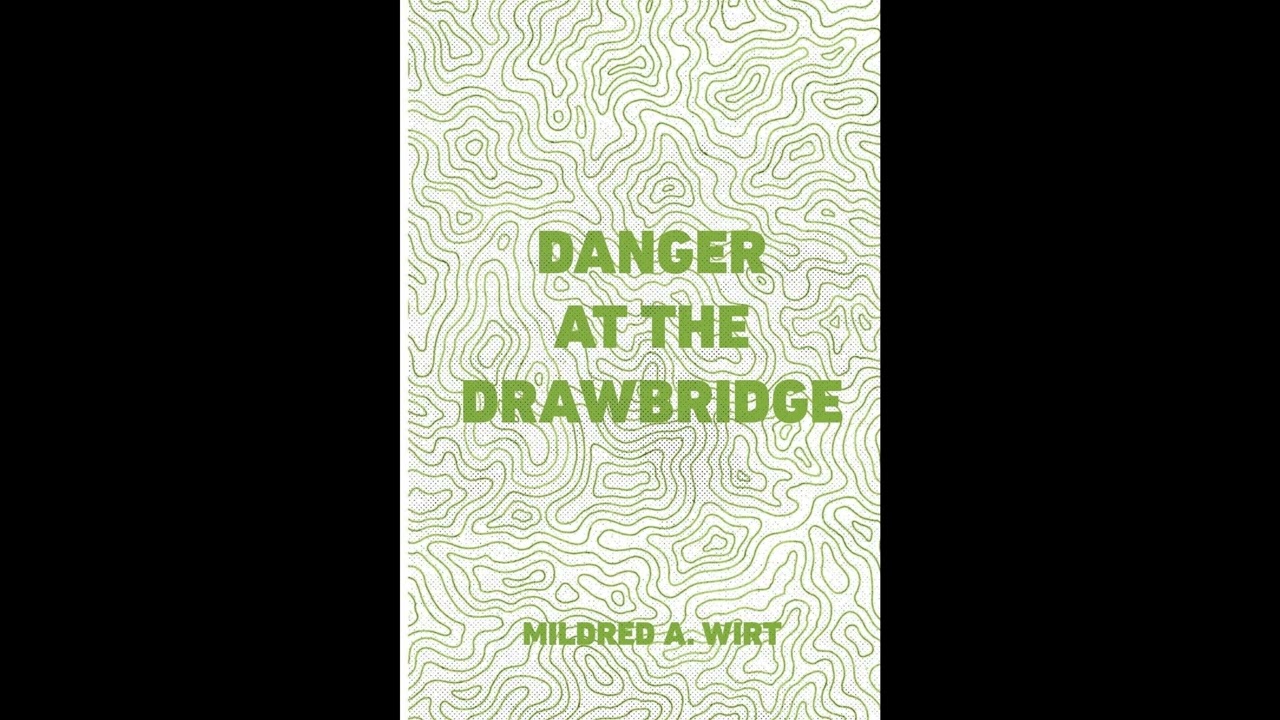
Danger at the Drawbridge
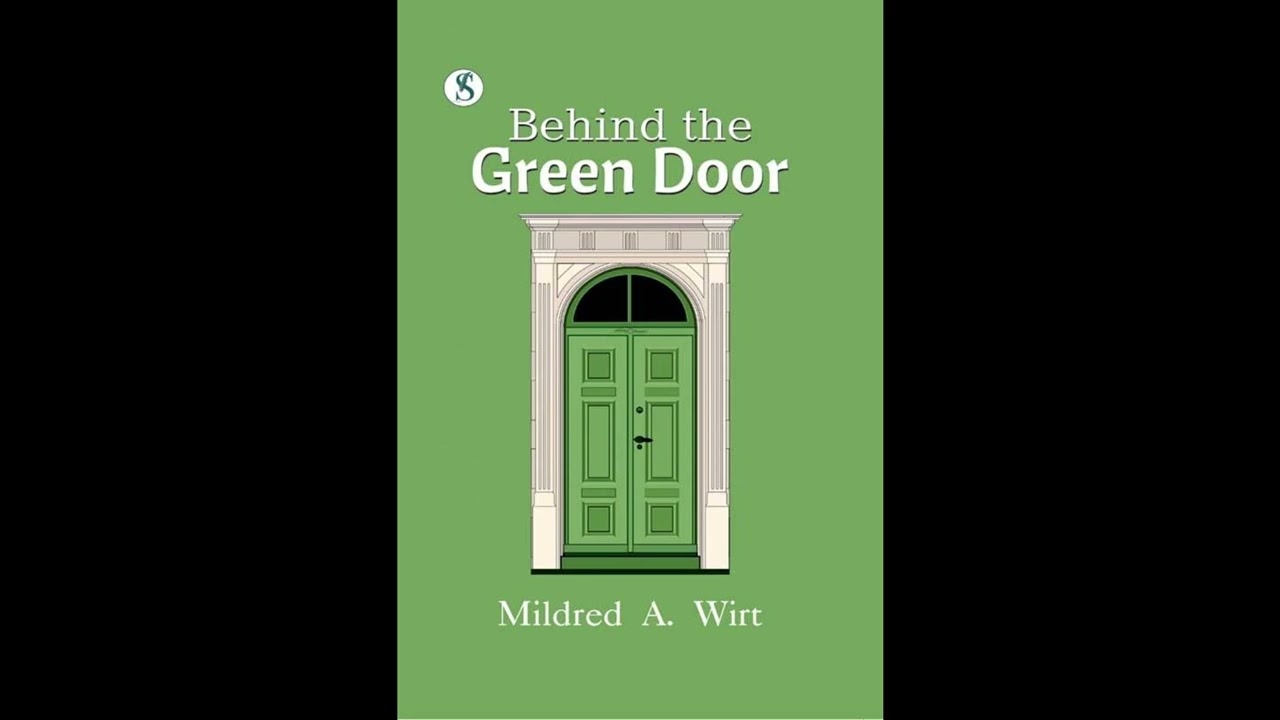
Step into a world where forgotten secrets lurk in the shadows of an old estate, where courage and intellect are the only tools against unseen threats. Mildred A. Wirt's "Danger at the Drawbridge" transports listeners to a time when mysteries unfolded with a quiet intensity, capturing the imagination with its blend of suspense, youthful ingenuity, and atmospheric charm. This narrative, a beloved example of its genre, offers a compelling window into a style of storytelling that helped define adventure literature for generations of young readers. Its appeal remains potent today, a testament to the author's skill in crafting engaging plots and spirited characters, making it an ideal listen for anyone who appreciates a well-told mystery that stands the test of time. The story introduces listeners to young Penny, a spirited and observant protagonist who finds herself spending an unexpected summer at her Aunt Mae's secluded country estate, Blackwood Manor. Nestled beside a winding river, the manor's most striking feature is its ancient, weather-beaten drawbridge, a relic of a bygone era that has remained unraised for decades. Initially, the quiet countryside seems to offer little excitement, but Penny's sharp eyes soon notice peculiar details: a flickering light in the distance at night, odd rustling noises emanating from the disused gatehouse, and hushed whispers among the locals about a long-lost family treasure supposedly hidden within the manor's grounds, guarded by an unsettling curse. Aunt Mae, a practical woman, dismisses these tales as mere folklore, urging Penny to occupy herself with less fanciful pursuits. However, Penny's innate curiosity is not easily deterred. She soon befriends Mr. Hemlock, the estate's gruff but kindly groundskeeper, who possesses a deep knowledge of Blackwood Manor's history and seems to harbor his own secrets about its past. As Penny begins to meticulously investigate the manor's dusty archives and the mechanics of the old drawbridge, she uncovers a series of intriguing clues: a faded photograph, a fragment of a coded message concealed within an antique book, and a peculiar mechanism hidden near the drawbridge's imposing tower. Each discovery draws her deeper into a web of forgotten events, suggesting that the local legends might hold more truth than anyone imagined. The stakes rise considerably when Penny realizes her quest for answers has not gone unnoticed. Someone else is actively working to keep the manor's secrets buried, someone whose desperation and cunning pose a genuine threat, transforming Penny's summer into a race against an escalating danger. Mildred A. Wirt, born Mildred Wirt Benson in Ladora, Iowa, in 1905, established herself as a prolific and influential figure in American children's literature. She earned both her bachelor's and master's degrees in English from the University of Iowa, becoming the very first person to receive a master's degree from the institution's English department. Though she went on to a distinguished career as a journalist for over fifty years at the Toledo Blade, and even became an accomplished pilot, it was her contributions to popular fiction that cemented her legacy. She wrote under her own name, Mildred Benson, and a variety of pseudonyms, including Dorothy West, Frank Bell, and Ann Wirt. However, she is most widely celebrated for her foundational role in creating the iconic Nancy Drew mystery series, writing the first three books and twenty others under the pseudonym Carolyn Keene between 1930 and 1953. Wirt's vast bibliography, encompassing over 130 books, consistently featured resourceful, independent female protagonists who navigated mysteries with wit and courage. Her unique ability to craft fast-paced, compelling narratives for young readers made her a pivotal figure in the development of children's mystery fiction. Her work defined a specific style within the genre, emphasizing problem-solving, adventure, and the triumph of intelligence over adversity, inspiring countless young readers to pursue their own passions and believe in their capabilities. Her significant output under various names demonstrates her incredible work ethic and her profound impact on the literary landscape for generations of young people. "Danger at the Drawbridge" vividly enacts several enduring themes characteristic of Mildred A. Wirt's writing. Central to the narrative is the theme of curiosity and the pursuit of knowledge. Penny's relentless questioning and her careful examination of her surroundings drive the entire plot. For instance, her observation of the subtle differences in the wear patterns on the drawbridge's old chains, or her meticulous search through neglected family papers, directly leads to vital breakthroughs. This underscores the idea that intelligence and a keen desire to understand can unravel even the most entrenched enigmas. Another prominent theme is courage and resourcefulness in the face of adversity. Penny, despite her youth, consistently demonstrates remarkable bravery. When she encounters unexpected obstacles or realizes she is being watched, she doesn't retreat but instead devises clever solutions, such as using an old groundskeeper's trick to observe an area undetected, or deciphering a cryptic message that initially seems nonsensical. The book also touches upon the theme of the weight of history and the power of legacy. Blackwood Manor and its drawbridge are not just settings; they are characters themselves, embodying generations of secrets and stories. The discovery of forgotten documents reveals the complex past of the estate, showing how prior events continue to shape the present and impact the lives of those who inhabit the old house. Finally, the story subtly explores appearance versus reality. What initially seems to be a sleepy, uneventful summer retreat gradually reveals itself to be a nexus of intrigue and peril. Characters who appear harmless or simply eccentric are sometimes revealed to have hidden motives, and seemingly insignificant objects, like the antiquated drawbridge, conceal profound significance. Mildred A. Wirt wrote during a dynamic period in American history, primarily from the late 1920s through the 1950s. This era witnessed significant cultural and social shifts, including the economic upheaval of the Great Depression, the global impact of World War II, and the subsequent post-war boom. In the literary world, there was a growing demand for escapist fiction, particularly for young readers, that offered adventure, wholesome values, and intellectual stimulation. The publishing landscape saw the rise of popular children's series, often produced by syndicates like the Stratemeyer Syndicate, which recognized the market for engaging, accessible stories. Wirt's work, including "Danger at the Drawbridge," emerged within this context, providing narratives that celebrated independence and problem-solving, often featuring girls in active, heroic roles at a time when traditional gender roles were still largely emphasized. Her books offered a subtle, yet powerful, message of empowerment and encouraged young readers to engage with the world around them, making her a foundational voice for a generation. Listening to "Danger at the Drawbridge" as an audiobook offers a unique and immersive way to experience its classic mystery. The narration can skillfully build suspense through careful pacing, allowing the listener to absorb the details of Blackwood Manor's shadowy corners and the drawbridge's foreboding presence. The distinct vocal characterizations for Penny, Aunt Mae, and Mr. Hemlock bring their personalities to life, making their interactions more vivid and immediate. The measured rhythm of the story, unfolding over several hours, is perfectly suited to the audio format, encouraging deep immersion in the unfolding mystery. Pay attention to how the narrator's voice handles the dialogue – the earnestness of Penny's questions, the dismissive tone of Aunt Mae, and the gruff wisdom of the groundskeeper – as these elements deepen the understanding of each character. The rich descriptions of the setting, from the creaking of old floorboards to the whisper of the river, truly resonate through careful auditory presentation, drawing you fully into Penny's suspenseful quest.
Enjoyed Danger at the Drawbridge? A few ways to support us
Audible & Amazon links are affiliate; we may earn a small commission at no extra cost.
About this production
Human narration by a volunteer reader from LibriVox.org, the public-domain audiobook project. LibriVox volunteers record literary works whose copyright has expired in the United States, releasing the resulting recordings into the public domain.
Danger at the Drawbridge by Mildred A. Wirt. The underlying text is in the U.S. public domain. We do not republish any modern copyrighted edition, translation, or commentary.
The 4K cinematic visuals accompanying this audiobook are generated by an AI image model from prompts derived from the source text. No copyrighted photos, paintings, or stock footage are used. AI generation is disclosed on every video on our YouTube channel as required by YouTube's altered/synthetic content policy.
English subtitles are transcribed from the LibriVox recording with OpenAI Whisper. Translations into the 11 other supported languages are produced by Meta's NLLB-200 neural translation model. No human translator's copyrighted translation is used.
Questions about sourcing or rights? See our DMCA & Sourcing policy or contact us.
Enjoyed this audiobook?
If you'd like to own a copy of Danger at the Drawbridge or hear a professionally produced edition, the links below help support free audiobook production at no extra cost to you.
As an Amazon Associate we earn from qualifying purchases. Audible / print links are affiliate.