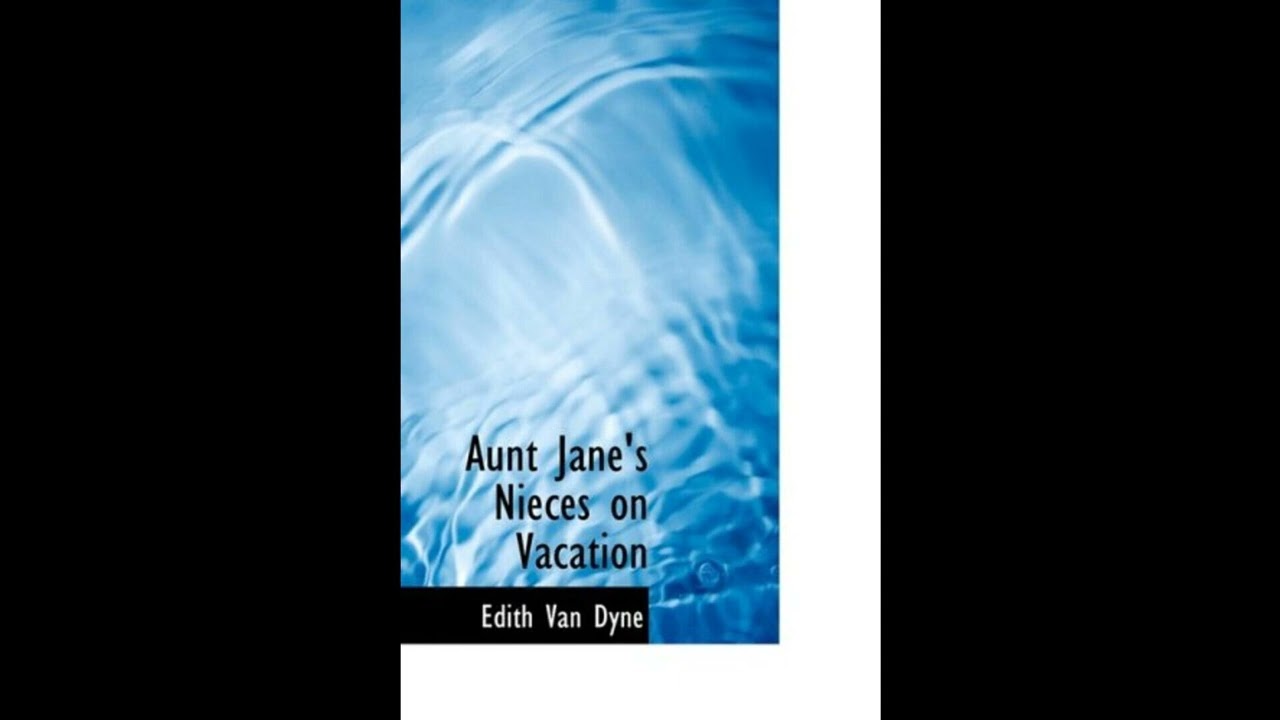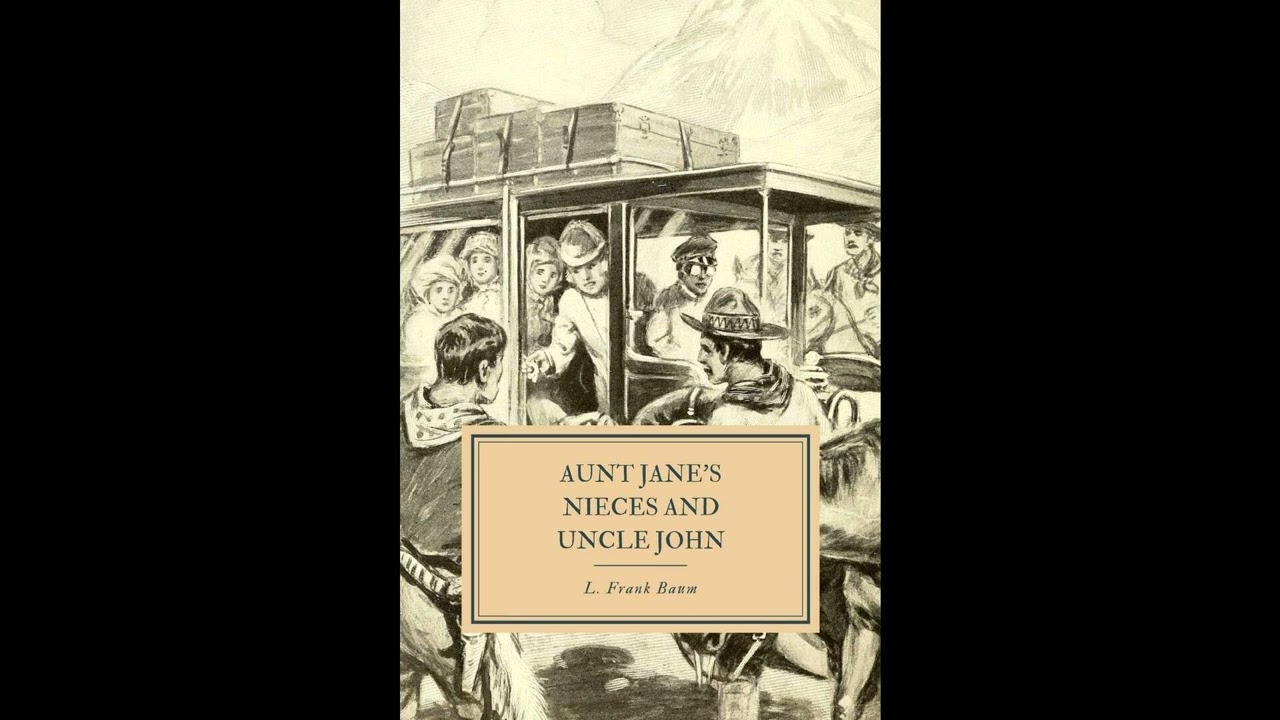
Aunt Jane’s Nieces and Uncle John
"Aunt Jane's Nieces and Uncle John" might not immediately spring to mind alongside the Emerald City, yet this delightful novel offers listeners a fascinating glimpse into the less fantastical, but equally charming, corners of L. Frank Baum's literary imagination. Before he whisked us to Oz, Baum possessed a keen eye for human nature, a gentle wit, and a knack for crafting engaging narratives. This story, published under the pseudonym Edith Van Dyne, showcases his ability to fashion a heartwarming, humorous tale steeped in the social customs of early 20th-century America. It's a narrative that speaks to the enduring appeal of self-discovery, unexpected paths to happiness, and the amusing quirks of family dynamics—themes that resonate as strongly today as they did over a century ago. The narrative centers around Aunt Jane, a wealthy, eccentric spinster, who orchestrates an elaborate scheme to determine which of her three beloved nieces—Patsy, Louise, and Beth—is most deserving of her considerable inheritance. Each niece is a distinct personality: Patsy, the practical; Louise, the artistic; and Beth, the vivacious socialite. Aunt Jane, in her subtle mischief, decides a mere will won't suffice; her nieces must undergo trials, living independently and managing on a limited income, thereby proving their character and resourcefulness beyond their comfortable circumstances. Their initial attempts at navigating independent life are predictably clumsy and often hilarious. The once-sheltered young women confront the realities of budgeting, housework, and earning their own way. They move into a modest house, grappling with domestic chores and social expectations with varying degrees of success and comedic failure. Enter Uncle John, Aunt Jane's reclusive and mysterious brother. He observes the nieces' struggles from a distance, occasionally offering cryptic advice. His presence adds another layer to Aunt Jane's grand experiment, as his own substantial fortune and a secret connection to the nieces suggest he might play a significant role. As the nieces stumble through their challenges, they learn about financial prudence, their own strengths, and the bonds of sisterhood, slowly transforming into more capable, self-assured individuals. Lyman Frank Baum, born in Chittenango, New York, in 1856, lived a life as varied as the stories he penned. Before his literary fame, Baum tried his hand at numerous professions: acting, managing an opera house, selling fireworks, breeding poultry, and even running a dry goods store in South Dakota. These diverse experiences enriched his understanding of human nature and provided inspiration. His editorial work for the Aberdeen Saturday Pioneer newspaper further honed his narrative voice. It wasn't until his early forties that Baum found his true calling as a children's author, publishing Father Goose: His Book in 1899. The following year, in 1900, he introduced the world to Dorothy Gale in The Wonderful Wizard of Oz, an instant sensation that cemented his legacy. This groundbreaking work broke away from the moralistic children's literature prevalent, offering instead a purely imaginative and joyful escapist fantasy. Baum went on to write thirteen more Oz books, alongside dozens of other novels and short stories for both children and adults, often under various pseudonyms like Edith Van Dyne. He died in 1919 in Hollywood, California, having revolutionized children's literature and left an indelible mark on the American cultural landscape. "Aunt Jane's Nieces and Uncle John" thoughtfully examines the theme of personal growth through adversity. The nieces, initially defined by their social standing and dependence on family wealth, are thrust into situations demanding resourcefulness and resilience. For instance, Louise, the artistic and impractical niece, must learn to manage a household budget and even attempt cooking, often with comically disastrous but ultimately instructive results. Her transformation from a dreamy, helpless young woman to one capable of practical action demonstrates the story's emphasis on character development. Another central theme is the nature of true wealth and happiness. Aunt Jane's unusual will suggests material inheritance is secondary to character and self-sufficiency. The challenge forces the nieces to re-evaluate what truly enriches a life. We see this when Beth, initially preoccupied with social engagements, begins to find satisfaction in simple acts of kindness and the bonds forged through shared struggle, revealing genuine contentment often lies in competence and connection. The novel also gently probes family duty and expectation, showing how inheritance pressure can bring both conflict and unity among relatives. Published in 1909, "Aunt Jane's Nieces and Uncle John" emerged during the Progressive Era, a period of significant change in American society. This era was marked by rapid industrialization, urban growth, and evolving social norms, particularly for women. While the suffragette movement gained momentum, challenging traditional gender roles, many women still found their lives circumscribed by domestic expectations. Baum's story reflects this transitional period, presenting young women who, though sheltered, are pushed towards independence and self-reliance, mirroring broader societal shifts. The burgeoning middle class and advancements in publishing meant a growing demand for light, entertaining fiction, especially for female readers and young adults. Baum, with his sharp business acumen, was adept at fulfilling this demand. Stories like "Aunt Jane's Nieces and Uncle John" offered readers a comforting yet progressive narrative, celebrating virtues like hard work and family loyalty, but also subtly advocating for women's capabilities outside strictly domestic roles, all within a feel-good romantic comedy. Authors like Baum helped define a new kind of American popular literature, less preachy than its Victorian predecessors. Listening to "Aunt Jane's Nieces and Uncle John" as an audiobook offers a uniquely immersive experience, allowing full appreciation of Baum's understated humor and characterizations. A skilled narrator brings each distinct personality—Aunt Jane's shrewdness, Patsy's practicality, Louise's dreaminess, and Beth's effervescence—to life through nuanced vocalizations and pacing. The dialogue, a highlight of Baum's more realistic fiction, truly shines when performed, allowing the listener to catch subtle comedic timing and emotional inflections. With a running length of several hours, this audiobook provides an ideal companion for a morning commute, a quiet afternoon tea, or as a comforting bedtime story. The gentle, engaging narrative flow creates an atmosphere that transports one back to a simpler time, inviting reflection on themes of family, fortune, and self-discovery. Listen for the distinct shifts in tone as the nieces adapt to their new circumstances, and notice how the narrator’s voice subtly evolves to match their growth, making this tale a genuinely delightful and rewarding listen.
Enjoyed Aunt Jane’s Nieces and Uncle John? A few ways to support us
Audible & Amazon links are affiliate; we may earn a small commission at no extra cost.
About this production
Human narration by a volunteer reader from LibriVox.org, the public-domain audiobook project. LibriVox volunteers record literary works whose copyright has expired in the United States, releasing the resulting recordings into the public domain.
Aunt Jane’s Nieces and Uncle John by L. Frank Baum. The underlying text is in the U.S. public domain. We do not republish any modern copyrighted edition, translation, or commentary.
The 4K cinematic visuals accompanying this audiobook are generated by an AI image model from prompts derived from the source text. No copyrighted photos, paintings, or stock footage are used. AI generation is disclosed on every video on our YouTube channel as required by YouTube's altered/synthetic content policy.
English subtitles are transcribed from the LibriVox recording with OpenAI Whisper. Translations into the 11 other supported languages are produced by Meta's NLLB-200 neural translation model. No human translator's copyrighted translation is used.
Questions about sourcing or rights? See our DMCA & Sourcing policy or contact us.
Enjoyed this audiobook?
If you'd like to own a copy of Aunt Jane’s Nieces and Uncle John or hear a professionally produced edition, the links below help support free audiobook production at no extra cost to you.
As an Amazon Associate we earn from qualifying purchases. Audible / print links are affiliate.