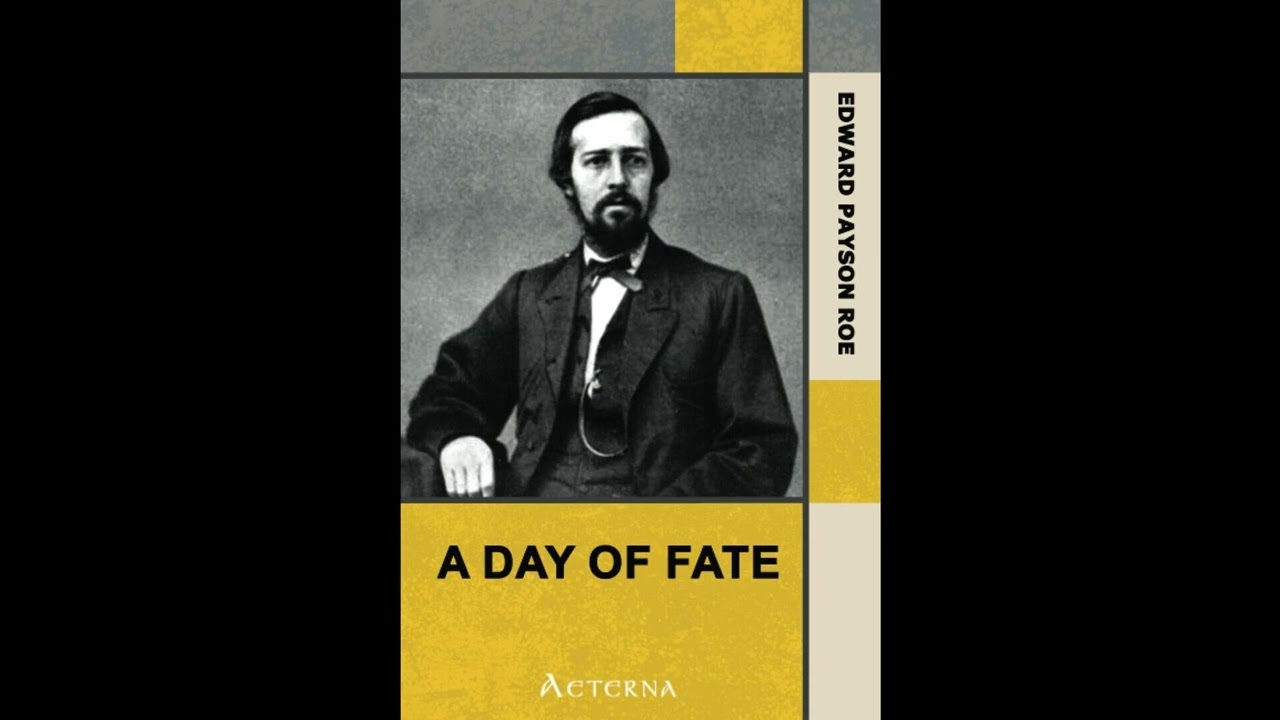
A Day of Fate
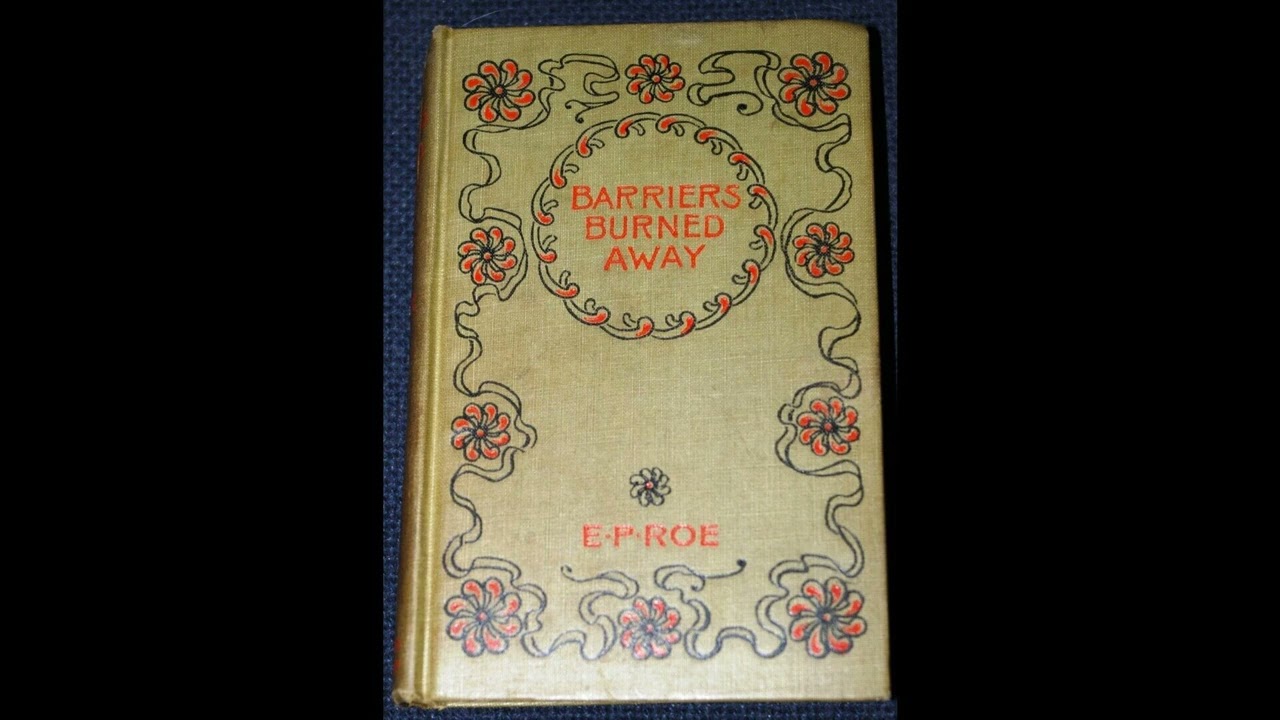
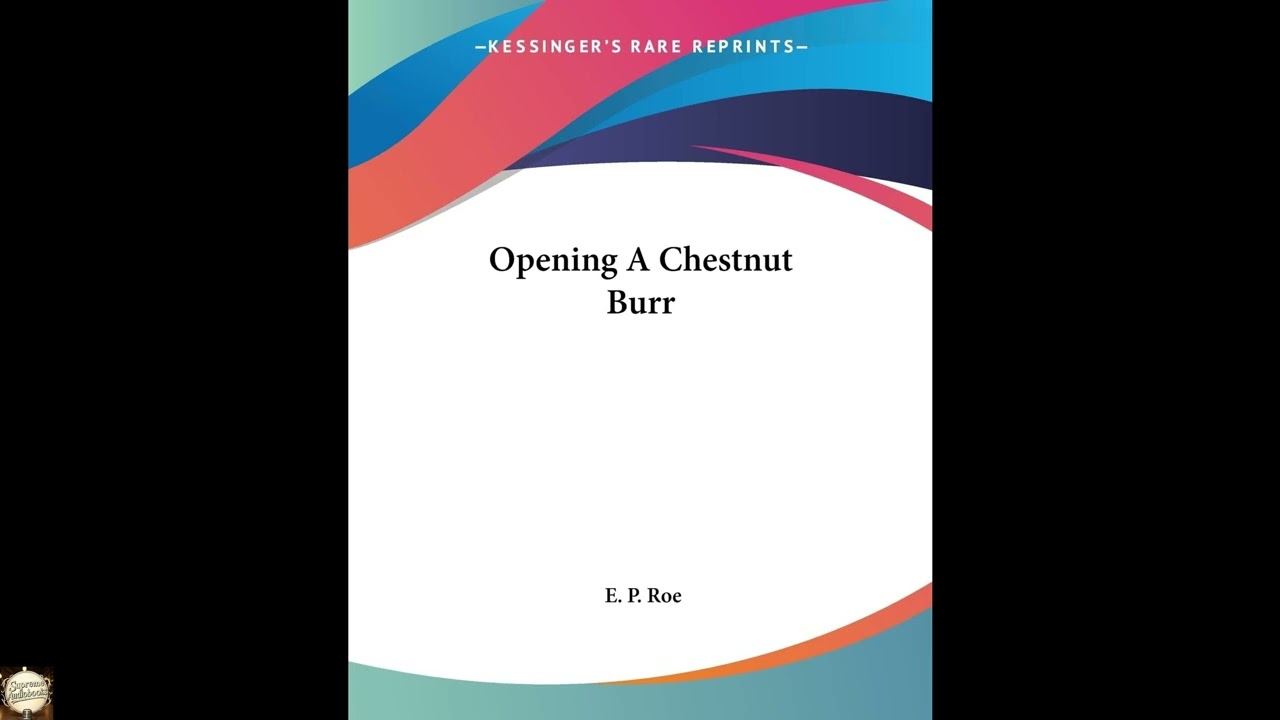
Step into a world where a single day can redefine a life, where the unexpected intrusion of circumstance forces profound questions of destiny and free will. Edward Payson Roe's A Day of Fate, first published in 1886, remains a compelling drama of moral choice and human connection, offering a window into the anxieties and aspirations of late nineteenth-century America. More than a century after its initial success, this story still resonates, challenging listeners to consider how chance encounters and pivotal moments can shape our paths and reveal the true character of those around us. It is a testament to the enduring power of narrative that stories like this continue to speak across generations, reminding us that the human heart’s dilemmas, though dressed in different eras, are fundamentally unchanged. The narrative unfolds against a backdrop of genteel society and the encroaching complexities of modern life, likely in a pastoral or semi-rural setting that soon sees its tranquility disrupted. At its core, the story introduces us to a young woman, intelligent and principled, who finds her carefully constructed world upended by a series of events she could not foresee. She is soon confronted with a pivotal situation that tests her convictions, perhaps involving a sudden encounter with a stranger or an unforeseen revelation about someone she holds dear. The central conflict soon emerges: a collision of expectations and unforeseen realities, forcing characters to make difficult decisions that will echo far beyond the immediate moment. As the plot progresses, a web of relationships and moral quandaries draws tighter. We witness the protagonist grappling with issues of loyalty, societal pressure, and perhaps a budding romance that complicates an already precarious situation. Other key figures—a man of seemingly upright character concealing a secret, or a wise mentor offering counsel—might play significant roles, each contributing to the evolving drama. The story expertly builds tension, showing how seemingly small decisions or coincidental occurrences can snowball into life-altering predicaments, pushing characters to the brink of despair or toward unexpected courage. The arc follows these individuals as they navigate a sequence of events designed to challenge their beliefs and compel them to confront who they truly are when faced with forces beyond their control. This sequence of challenges and resolutions forms the very heart of the novel, leading to a profound understanding for the characters, even as the ultimate resolution remains tantalizingly out of reach until the final pages. Edward Payson Roe, born in New York in 1838, was an extraordinarily popular American novelist of the late nineteenth century. Before his literary career, Roe served as a chaplain in the Union Army during the American Civil War, an experience that deeply influenced his perspective on human suffering, morality, and resilience. After the war, he cultivated a passion for horticulture, becoming a successful strawberry farmer, which provided him with a living and a connection to the natural world he often depicted in his works. His shift to writing fiction began almost by chance after the great Chicago Fire of 1871 inspired his first novel, Barriers Burned Away, a story of love and moral growth amidst disaster. This novel became an immediate sensation, propelling Roe into the literary limelight. Roe followed this initial success with a string of bestsellers, including Opening a Chestnut Burr and The Earth Trembled, establishing himself as a master of the sentimental and moralistic novel. His works were characterized by strong plots, clear moral messages, and often, a focus on characters grappling with faith and ethical dilemmas. He was immensely popular, frequently outselling contemporaries like Mark Twain and Henry James, though critics often dismissed his work as overly didactic or sensational. Despite this critical reception, Roe's novels resonated deeply with a wide American readership, reflecting their values and anxieties. His untimely death in 1888, at the height of his popularity, left a void in the literary landscape, marking the end of an era for a specific brand of American fiction. A Day of Fate distinctively presents several core themes that defined Roe's body of work and continue to hold meaning. One prominent theme is the idea of providence or fate, subtly suggesting that certain events are predestined or guided by a higher power. A character might, for instance, miss a crucial train or encounter an unexpected individual in a way that feels too significant to be mere coincidence, hinting at an unseen hand guiding their path. This aligns with a second major theme: moral choice and personal accountability. The narrative consistently places its characters in situations where they must weigh right against wrong, often at great personal cost. A protagonist might be presented with an opportunity for gain that compromises their integrity, forcing a difficult decision that reveals their true ethical compass. Furthermore, the story thoughtfully examines the transformative power of love and redemption. Amidst the trials and tribulations, genuine affection and selfless acts often serve as catalysts for personal growth or the mending of fractured relationships. A moment of kindness or a declaration of honest feeling can alter the course of events, demonstrating how compassion can overcome adversity. Finally, the novel touches upon the often-unseen impact of societal expectations and class distinctions. Characters might struggle against the limitations imposed by their social standing or find their decisions heavily influenced by the prevailing norms of their community. A character from a modest background, for example, might face prejudice or be forced to work twice as hard to prove their worth, illustrating the pervasive pressures of the time. The publication of A Day of Fate in 1886 occurred during a fascinating period in American history, nestled between the end of Reconstruction and the cusp of the Gilded Age's full bloom. It was an era marked by rapid industrialization, increasing urbanization, and significant social changes following the Civil War. Many Americans were grappling with shifting moral landscapes, the rise of scientific inquiry challenging traditional beliefs, and the growing divide between old traditions and new realities. Popular literature of the time often served as both an escape and a moral compass, providing stories that affirmed widely held values or explored common anxieties. Within the literary world, this period saw the emergence of American realism with authors like William Dean Howells and Henry James seeking to depict life with greater accuracy. However, Roe's brand of sentimental, morally unambiguous fiction still commanded an enormous readership. His works, including A Day of Fate, offered a form of comfort and clear ethical guidance in a world that felt increasingly complex and uncertain. They catered to a public hunger for stories that celebrated virtue, divine intervention, and the triumph of good over evil, contrasting sharply with the often grittier portrayals offered by the burgeoning realist movement. Listening to A Day of Fate as an audiobook offers a particularly personal and immediate way to experience Roe's storytelling. The several hours of narration provide ample opportunity to become thoroughly absorbed in the characters' dilemmas and the unfolding drama, making it perfect for long commutes, an afternoon of focused listening, or quiet evenings. A skilled narrator can bring Roe's conversational yet earnest prose to life, allowing the listener to truly inhabit the late nineteenth-century atmosphere. Listen for the subtle shifts in pacing that underscore moments of tension or reflection, and the distinct voices that differentiate each character, giving nuance to their motivations and conflicts. The spoken word adds an atmospheric layer, making the social customs and the moral quandaries feel more present and relatable, drawing one deeper into a day that proved fateful for all involved.
Enjoyed A Day of Fate? A few ways to support us
Audible & Amazon links are affiliate; we may earn a small commission at no extra cost.
About this production
Human narration by a volunteer reader from LibriVox.org, the public-domain audiobook project. LibriVox volunteers record literary works whose copyright has expired in the United States, releasing the resulting recordings into the public domain.
A Day of Fate by Edward Payson Roe. The underlying text is in the U.S. public domain. We do not republish any modern copyrighted edition, translation, or commentary.
The 4K cinematic visuals accompanying this audiobook are generated by an AI image model from prompts derived from the source text. No copyrighted photos, paintings, or stock footage are used. AI generation is disclosed on every video on our YouTube channel as required by YouTube's altered/synthetic content policy.
English subtitles are transcribed from the LibriVox recording with OpenAI Whisper. Translations into the 11 other supported languages are produced by Meta's NLLB-200 neural translation model. No human translator's copyrighted translation is used.
Questions about sourcing or rights? See our DMCA & Sourcing policy or contact us.
Enjoyed this audiobook?
If you'd like to own a copy of A Day of Fate or hear a professionally produced edition, the links below help support free audiobook production at no extra cost to you.
As an Amazon Associate we earn from qualifying purchases. Audible / print links are affiliate.