His Sombre Rivals: -1883
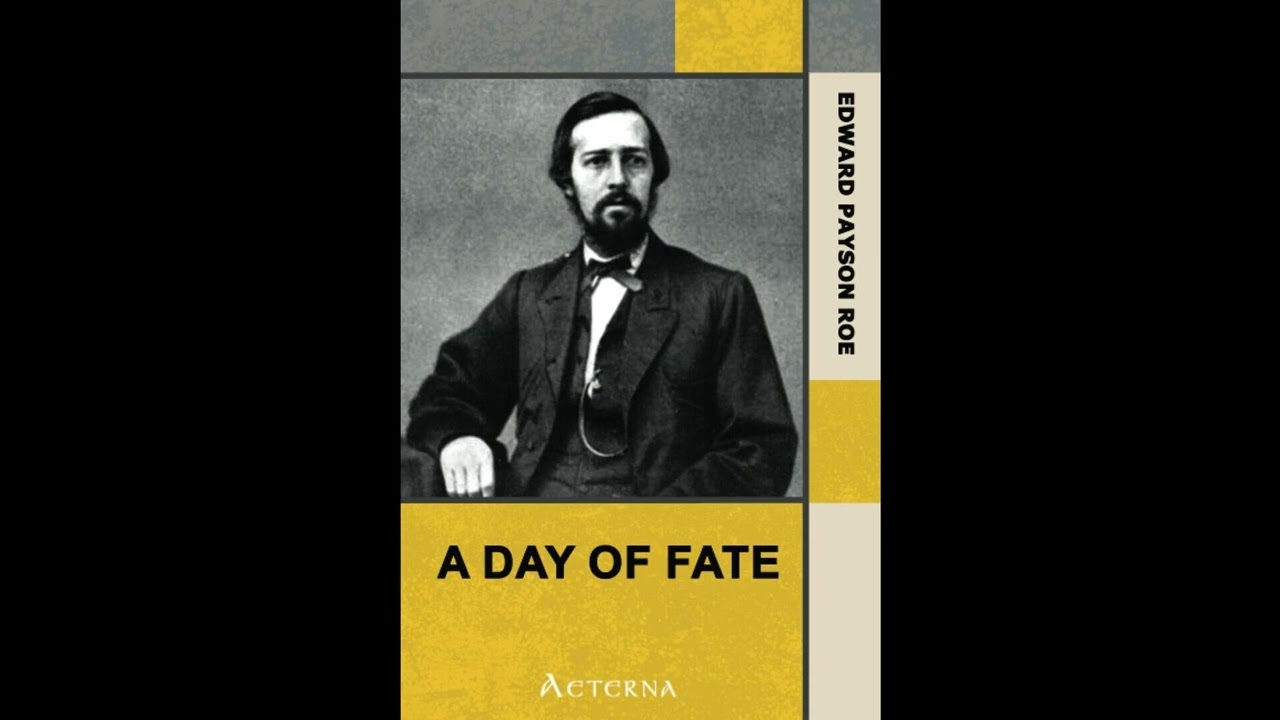
To immerse oneself in Edward Payson Roe's His Sombre Rivals: -1883 is to step directly into the moral and social landscape of late nineteenth-century America, a time of profound change, dizzying ambition, and often stark ethical dilemmas. Roe, once a titan of American letters whose books sold in numbers unheard of for his era, possessed a unique ability to weave compelling narratives that resonated deeply with the aspirations and anxieties of his readers. Far from being a mere historical curiosity, this novel offers a vivid window into a society grappling with the consequences of industrial growth, the pursuit of wealth, and the enduring struggle to maintain personal integrity amidst a world increasingly defined by competition. It presents a story where character is forged in the fires of adversity, and the choices made under pressure reveal the true measure of a person, making its central conflicts surprisingly relevant even for today's complex world. The narrative centers on Paul Hazen, a young man from humble beginnings, driven by a quiet but fervent ambition to make his mark in the bustling metropolis of New York City. Fresh from a rural upbringing and armed with a freshly minted law degree, Paul arrives in the city with an earnest belief in justice and the power of hard work. He quickly finds himself confronted by the realities of urban life and the legal profession—a world not always aligned with his high ideals. His "sombre rivals" emerge in various forms: cutthroat professional adversaries who prioritize gain over ethics, social gatekeepers who judge by birthright rather than merit, and the internal doubts that threaten to compromise his convictions. Paul's path becomes further complicated by his growing affection for Eleanor Van Vorst, a woman of refined sensibilities and social standing, whose world seems both inviting and potentially perilous to his burgeoning career. The core of the story lies in Paul's determined effort to navigate this intricate social maze, to build an honorable reputation, and to win the heart of the woman he loves, all while resisting the insidious temptations and overt challenges presented by those who would see him fail or fall from grace. He strives to prove that success can be achieved without sacrificing one's soul, facing down challenges that test his moral fiber at every turn. Edward Payson Roe, born in 1838 in Orange County, New York, lived a life marked by significant shifts and public engagement. A graduate of Williams College and Auburn Theological Seminary, Roe began his adult life as a Presbyterian minister. The defining experience of his early career, however, was his service as a chaplain in the Union Army during the American Civil War, a period that undoubtedly shaped his deep concern for moral rectitude and human suffering. After the war, Roe experienced a health crisis that led him to resign from the ministry and embrace a new calling: horticulture. He became a successful fruit grower, particularly noted for his expertise with strawberries, writing practical guides on the subject. However, it was his fiction that truly propelled him to national prominence. His first novel, Barriers Burned Away, inspired by the Great Chicago Fire of 1871, became an instant bestseller, cementing his reputation. He followed this success with numerous other popular titles such as Opening a Chestnut Burr and The Earth Trembled, establishing himself as one of the most widely read authors in America before his untimely death in 1888. Roe occupied a unique position in American literature, blending elements of sentimental romance with didactic moral instruction, appealing to a broad readership seeking entertainment infused with edifying themes. Roe's novels frequently enact powerful themes that resonate with the social consciousness of his era and beyond. One primary theme evident in His Sombre Rivals is the enduring conflict between moral integrity and societal corruption. Paul Hazen, in his legal practice, frequently confronts scenarios where the pursuit of justice clashes with powerful vested interests or the cynical manipulation of the law. Listeners witness his internal debates and external struggles as he chooses whether to compromise his principles for professional advancement or stand firm, often at personal cost. For example, an early scene might find Paul offered a seemingly lucrative case that requires bending the truth, forcing him to choose between a comfortable life and his ethical code. Another significant theme is social mobility and the pursuit of the American Dream. The novel vividly portrays the challenges faced by individuals striving to ascend the social ladder in a rapidly stratified society. Paul's modest background stands in stark contrast to the established wealth and influence of Eleanor's family and many of his adversaries, highlighting the obstacles—and opportunities—inherent in a changing nation. His efforts to build a career and reputation from scratch, often facing prejudice, underscore the arduous nature of achieving success without inherited privilege. The publication of His Sombre Rivals around 1883 placed it firmly within the tumultuous period of the Gilded Age in America. This era, stretching from the end of the Civil War to the turn of the 20th century, was characterized by unprecedented industrial expansion, rapid urbanization, and immense wealth accumulation, often alongside widespread poverty and social unrest. Political corruption was rampant, and the gap between the rich and the poor was widening. In the literary world, while realism was beginning to take root with authors like William Dean Howells, there was still a massive appetite for fiction that offered both escape and moral guidance. Roe's novels perfectly fit this niche, providing engaging stories filled with romance, adventure, and clear ethical frameworks. His background as a minister and Civil War chaplain gave him a platform to address the moral questions of the day, framing individual struggles within a broader context of divine providence and human accountability. His work emerged at a time when America was grappling with its identity as a powerful, industrial nation, and his stories offered a way for readers to process the complexities of modern life through characters who confronted relatable moral challenges. Experiencing His Sombre Rivals: -1883 as an audiobook offers a unique opportunity to connect with Roe's storytelling in an intimate and direct way. The several hours of narrative provide ample space for the listener to become fully immersed in Paul Hazen's world, following his internal and external conflicts as they unfold. A skilled narrator will bring a measured pace to Roe's detailed prose, allowing the listener to appreciate the nuanced characterizations and the earnestness of the dialogue, which reflects the more formal speech patterns of the period. Listeners will find themselves drawn into the atmosphere of late nineteenth-century New York, with its contrasting opulence and grit, its social hierarchies, and its moral complexities, all conveyed through the power of voice. The audiobook format allows the story's emotional weight to be fully felt, from Paul's moments of doubt and despair to his triumphs of conviction, making Roe's once-ubiquitous voice resonate anew with contemporary audiences.
Enjoyed His Sombre Rivals: -1883? A few ways to support us
Audible & Amazon links are affiliate; we may earn a small commission at no extra cost.
About this production
Human narration by a volunteer reader from LibriVox.org, the public-domain audiobook project. LibriVox volunteers record literary works whose copyright has expired in the United States, releasing the resulting recordings into the public domain.
His Sombre Rivals: -1883 by Edward Payson Roe. The underlying text is in the U.S. public domain. We do not republish any modern copyrighted edition, translation, or commentary.
The 4K cinematic visuals accompanying this audiobook are generated by an AI image model from prompts derived from the source text. No copyrighted photos, paintings, or stock footage are used. AI generation is disclosed on every video on our YouTube channel as required by YouTube's altered/synthetic content policy.
English subtitles are transcribed from the LibriVox recording with OpenAI Whisper. Translations into the 11 other supported languages are produced by Meta's NLLB-200 neural translation model. No human translator's copyrighted translation is used.
Questions about sourcing or rights? See our DMCA & Sourcing policy or contact us.
Enjoyed this audiobook?
If you'd like to own a copy of His Sombre Rivals: -1883 or hear a professionally produced edition, the links below help support free audiobook production at no extra cost to you.
As an Amazon Associate we earn from qualifying purchases. Audible / print links are affiliate.