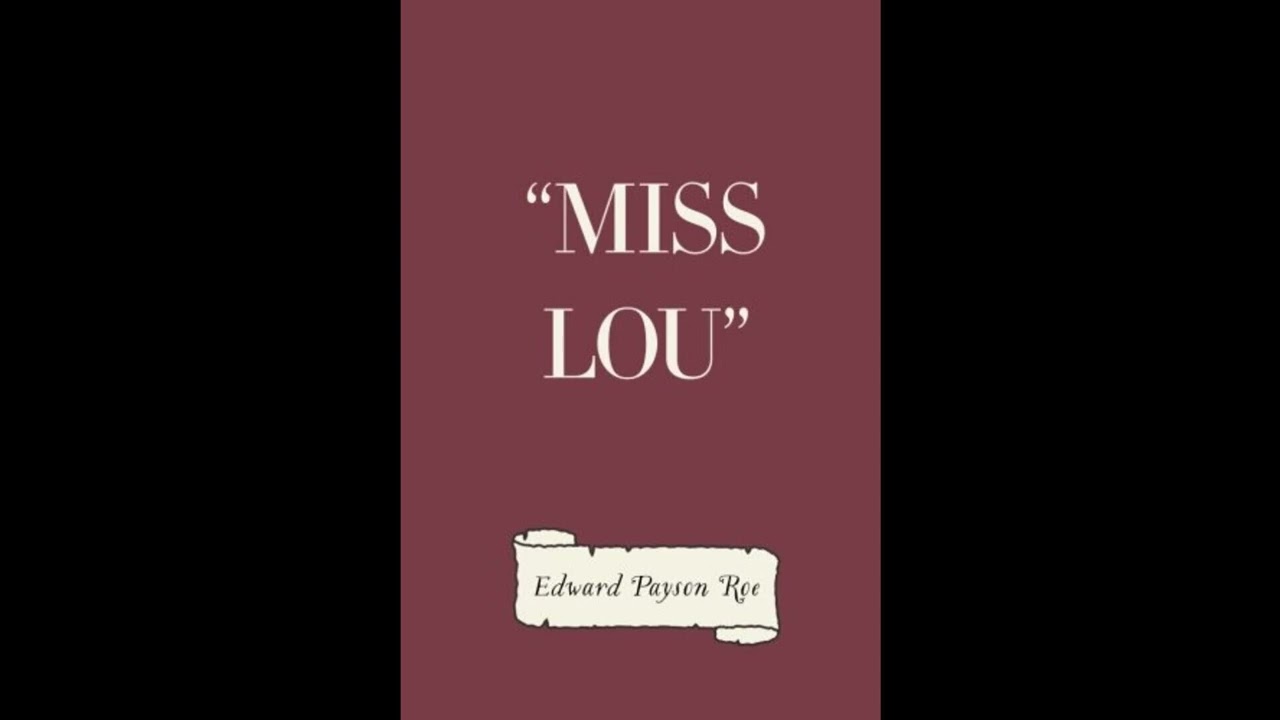
"Miss Lou"
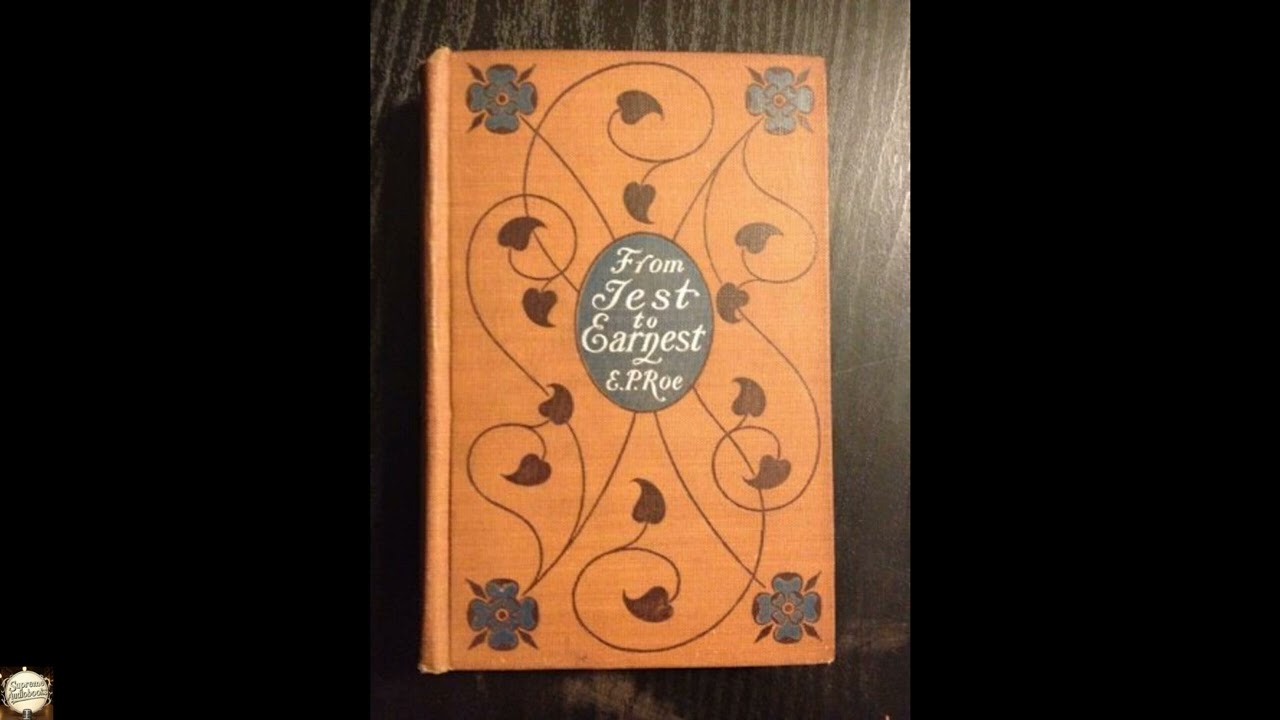
"Miss Lou" stands as a compelling example of American storytelling from a pivotal era, offering listeners a window into the concerns and aspirations of the late nineteenth century. Edward Payson Roe, a novelist who resonated deeply with the reading public of his time, crafted a narrative that, while rooted in its specific historical moment, continues to speak to enduring human experiences. This story, with its focus on moral rectitude, unexpected relationships, and the quiet strength of its female protagonist, offers more than just historical curiosity; it presents a dramatic and heartfelt account of duty, discovery, and the often-unseen forces shaping our destinies. It asks us to consider what truly constitutes a legacy, both material and spiritual, and how individuals navigate the complicated currents of family, obligation, and personal integrity—questions that remain relevant even in our own fast-paced world. The narrative introduces us to Lou, a young woman poised on the brink of an uncertain future. She finds her circumstances dramatically altered by the terms of an inheritance – a situation both a blessing and a perplexing burden. The bequest requires her to take on the guardianship, or perhaps more accurately, the companionship, of an older, reclusive woman also named Lou. This elder "Miss Lou" lives in a secluded estate, her existence shrouded in an air of mystery and a certain degree of local apprehension. The younger Lou, stepping into this new role, finds herself in an environment far removed from her previous expectations, a place where the shadows of the past seem to linger in every room and garden path. This unique arrangement immediately establishes a central conflict: how can two individuals, so disparate in age and experience, forge a connection under such unusual, almost mandated, circumstances? The younger Lou must contend not only with the eccentricities and demands of her charge but also with the practical challenges of managing an unfamiliar household and navigating the subtle currents of a small, watchful community. As she endeavors to fulfill the terms of the will, she begins to peel back the layers of the older Miss Lou's life, uncovering hints of forgotten grievances, long-held secrets, and the reasons behind her self-imposed isolation. The story carefully unfurls the daily routines and growing understanding between the two women, punctuated by unexpected encounters and revelations. Lou, through her steadfast dedication and compassionate spirit, begins to bridge the chasm of years and temperament separating them. The arc of the story follows her efforts to bring light and order into a life long accustomed to shadows, ultimately revealing the profound impact one person can have on another, and the surprising resilience of the human heart when faced with duty and the prospect of genuine affection. The true nature of the elder Miss Lou's past, and the future of the younger, form the compelling core of this engaging drama, building toward a resolution that promises both revelation and transformation. Edward Payson Roe, the prolific American author behind "Miss Lou," was a fascinating figure whose life spanned significant shifts in his nation's history. Born in 1838 in New Windsor, New York, Roe initially followed a path into the ministry. He served as a Presbyterian chaplain during the American Civil War, a period of immense national upheaval that undoubtedly shaped his understanding of human suffering, resilience, and the complexities of moral choice. His experiences during this tumultuous time—witnessing both heroism and tragedy—left an indelible mark, influencing the earnestness and moral compass evident in much of his fiction. Following the war, Roe transitioned from the pulpit to a different kind of public service, becoming a successful horticulturist and, most notably, a wildly popular novelist. His literary career blossomed with the publication of "Barriers Burned Away" in 1872, a novel that captured the public imagination with its blend of romance, disaster, and moral fortitude. This success was followed by a string of bestselling works, including "Opening a Chestnut Burr," "From Jest to Earnest," and "The Earth Trembled," each reinforcing his reputation as a storyteller deeply attuned to the social and spiritual concerns of his readers. His novels consistently explored themes of duty, personal character, and the search for meaning amidst life's trials. Roe became one of the most widely read authors of his generation, his books selling millions of copies across the country. While sometimes criticized by literary elites for their sentimentalism or overtly moralistic tone, his straightforward prose and engaging plots resonated profoundly with the general public. He occupied a unique space in American letters, bridging the gap between earlier sentimental domestic fiction and the emerging realism of the late 19th century. His work offers a valuable lens through which to view the popular tastes and moral sensibilities of post-Civil War America, firmly establishing him as an important voice in the American literary canon, even if his popularity waned in the decades after his death in 1888. "Miss Lou" was published in the very year of his passing, serving as one of his final literary statements. Several poignant themes emerge from the quiet drama of "Miss Lou." One prominent idea is the transformative power of duty and compassion. Lou's initial obligation—to care for a virtual stranger—begins as a contractual arrangement but gradually morphs into something far deeper. We see this enacted as she consistently prioritizes the well-being of the older Miss Lou, patiently enduring the older woman's reticence and occasional sharpness. For instance, her dedication to maintaining the household, ensuring comfort, and simply being present, demonstrates how sustained, selfless action can break down emotional barriers and forge unexpected bonds, bringing warmth to a previously isolated existence. Another significant theme is the weight of the past and the possibility of redemption. The elder Miss Lou's reclusiveness clearly stems from events and choices made long ago, casting a long shadow over her present. As the younger Lou uncovers fragments of this history, the narrative subtly addresses how past wounds and perceived injustices can shape a life, and conversely, how understanding and forgiveness, even belatedly, can offer a path toward healing. The story gently suggests that confronting these old ghosts, rather than burying them, is essential for true peace, providing a space for both the characters and the listener to reflect on personal histories and their lasting impact. The narrative also touches on social class and independence, as Lou navigates her new role, which places her in a position of both servitude and authority, questioning traditional definitions of status and self-reliance. "Miss Lou" emerged from a period of profound social and economic change in the United States, following the conclusion of the Civil War. The latter half of the 19th century was an era of rapid industrialization, urbanization, and shifting demographics. Old social hierarchies were being re-evaluated, and new opportunities—along with new anxieties—were arising, particularly for women navigating an evolving society. Literary tastes during this time were also in flux. While realism was gaining ground, there remained a widespread appreciation for fiction that offered moral instruction, emotional resonance, and a degree of uplift. Edward Payson Roe's work, including "Miss Lou," perfectly fit this cultural moment. His novels provided a comforting yet dramatic voice to a nation grappling with its identity. They offered readers a sense of moral order and hope, often featuring protagonists who, through perseverance and faith, overcame significant personal obstacles. The themes of duty, domesticity, and the quiet dignity of rural life in "Miss Lou" would have resonated strongly with an audience that valued traditional virtues even as they witnessed sweeping societal changes. The story reflects a longing for stability and personal integrity in a world that often felt bewilderingly fast-paced, offering a blend of escapism and ethical reflection that proved immensely popular. Listening to "Miss Lou" as an audiobook offers a unique and intimate way to experience Roe's storytelling. The several hours of narration allow listeners to fully immerse themselves in the world of the late 19th century, letting the narrative unfold at a deliberate, measured pace that complements the prose style of the era. A skilled narrator can bring to life the nuanced emotions embedded in the dialogue, distinguishing between the younger Lou's steadfast resolve and the elder Miss Lou's guarded demeanor, enhancing the subtle shifts in their relationship. The auditory experience deepens the atmosphere of the secluded estate, allowing the listener to visualize the quiet rooms and echoing halls, and to feel the weight of unspoken history that permeates the setting. The carefully articulated voice and dramatic pacing transform what might initially seem like a simple tale into a resonant encounter with character and consequence, making the unfolding of this classic story truly memorable.
Enjoyed "Miss Lou"? A few ways to support us
Audible & Amazon links are affiliate; we may earn a small commission at no extra cost.
About this production
Human narration by a volunteer reader from LibriVox.org, the public-domain audiobook project. LibriVox volunteers record literary works whose copyright has expired in the United States, releasing the resulting recordings into the public domain.
"Miss Lou" by Edward Payson Roe. The underlying text is in the U.S. public domain. We do not republish any modern copyrighted edition, translation, or commentary.
The 4K cinematic visuals accompanying this audiobook are generated by an AI image model from prompts derived from the source text. No copyrighted photos, paintings, or stock footage are used. AI generation is disclosed on every video on our YouTube channel as required by YouTube's altered/synthetic content policy.
English subtitles are transcribed from the LibriVox recording with OpenAI Whisper. Translations into the 11 other supported languages are produced by Meta's NLLB-200 neural translation model. No human translator's copyrighted translation is used.
Questions about sourcing or rights? See our DMCA & Sourcing policy or contact us.
View 10 famous quotes from this book →
Enjoyed this audiobook?
If you'd like to own a copy of "Miss Lou" or hear a professionally produced edition, the links below help support free audiobook production at no extra cost to you.
As an Amazon Associate we earn from qualifying purchases. Audible / print links are affiliate.