Opening A Chestnut Burr
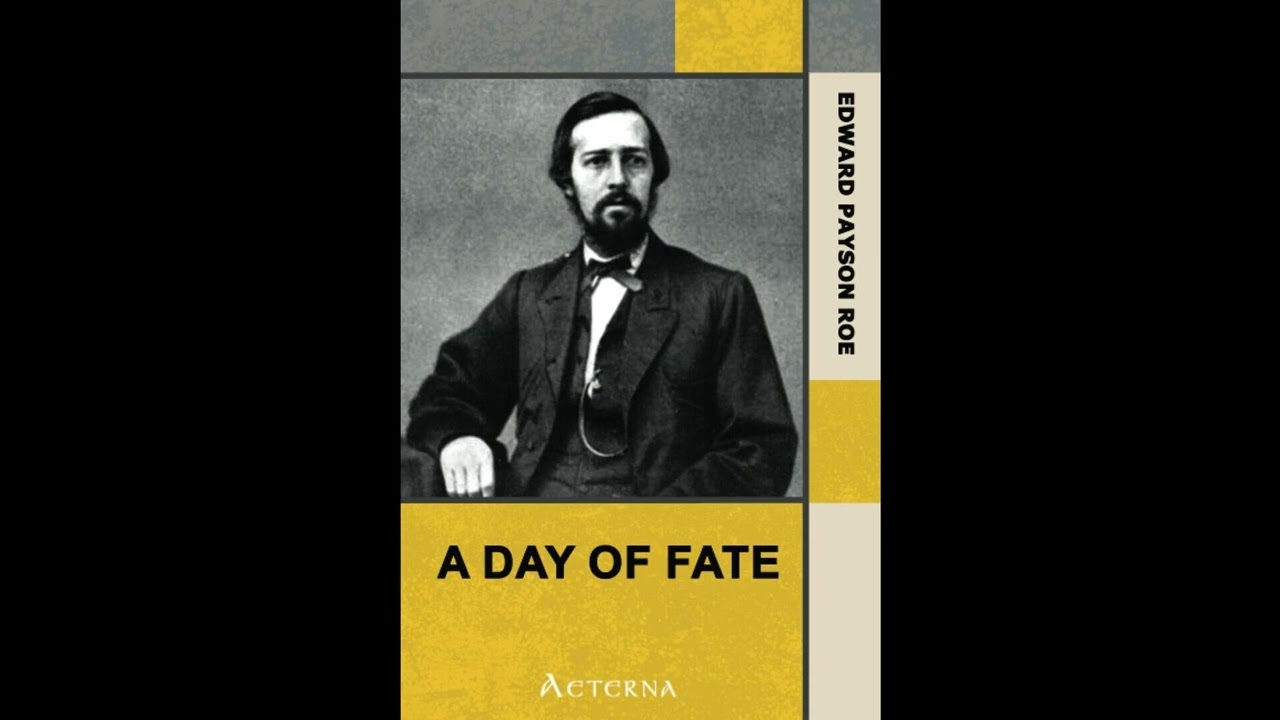
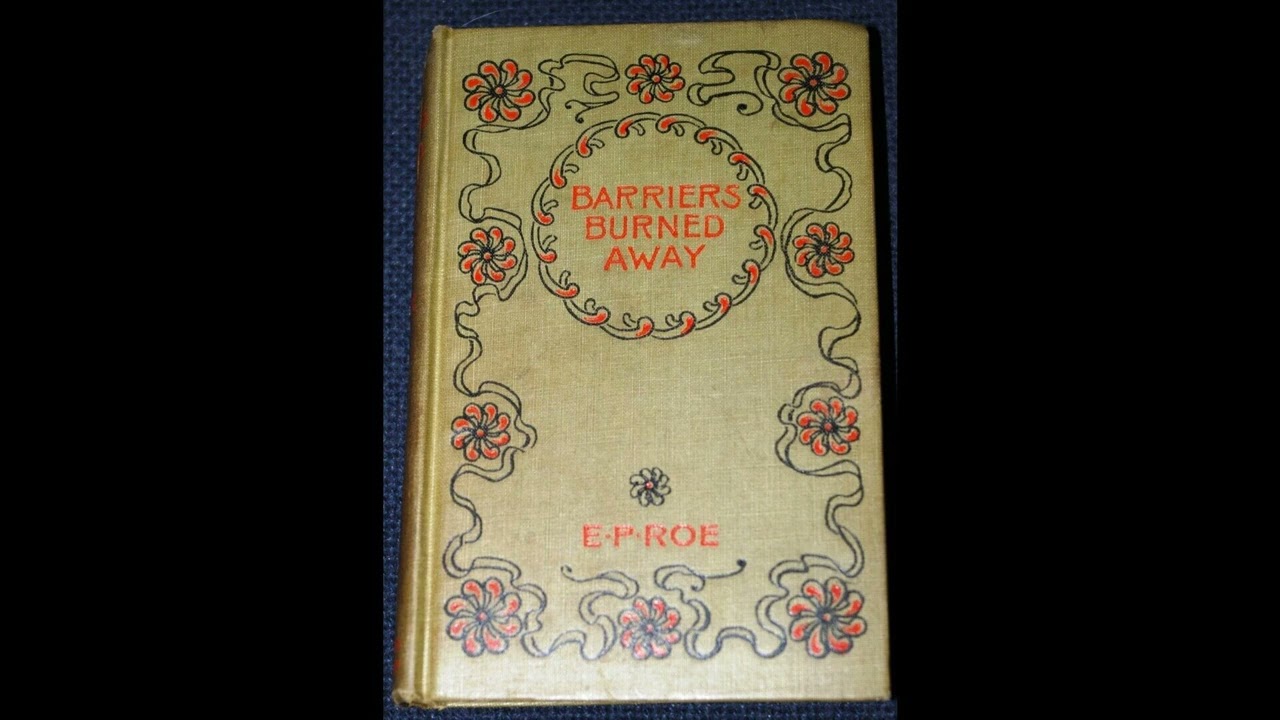
Imagine a hardened shell protecting something sweet and valuable within. This vivid image lies at the heart of E. P. Roe's Opening A Chestnut Burr, a compelling classic that asks us to look beyond appearances and discover the inherent worth in unexpected places and people. Published in 1874, this story resonates deeply today as it unwraps themes of personal redemption, the enduring power of nature, and the transformative potential of genuine human connection. It reminds us that true value often hides beneath a seemingly rough exterior, much like the prickly burr encasing a wholesome chestnut, offering a comforting message about second chances and the quiet strength found in authenticity. The story introduces us to Walter Gregory, a young man of refined tastes and a troubled past, who arrives in a quiet rural community seeking anonymity and a new beginning. Haunted by an unspecified but significant mistake that has stripped him of his societal standing, Walter hopes to lose himself in the simple rhythms of agricultural life, far from the judgmental gaze of the urban world he once inhabited. His attempts at farming, however, prove less than smooth, highlighting his initial disconnect from the practicalities of the land. He carries with him an air of intellectual superiority and a certain cynicism, observing the local inhabitants with a detached, often critical eye. It is here that he encounters Lois Denton, a woman who embodies the very essence of the countryside he has sought to escape and now endeavors to embrace. Lois is practical, independent, and deeply rooted in her family farm. She possesses a quiet dignity and an unwavering moral compass that initially puzzles and even irritates Walter. Her directness clashes with his more convoluted thinking, and her apparent lack of "sophistication" challenges his preconceived notions of worth and intelligence. The central conflict blossoms from this initial friction: Walter's internal struggle to reconcile his cultured upbringing with the raw honesty of his new environment, and his journey to truly "see" Lois beyond her unassuming exterior, allowing her genuine character to chip away at his jaded worldview and reveal the true richness beneath. E. P. Roe, born Edward Payson Roe in 1838 in New Windsor, New York, was a figure whose own life mirrored some of the transitions and moral earnestness of his literary output. Ordained as a Presbyterian minister, he served as a chaplain in the Union Army during the American Civil War, witnessing firsthand the profound upheaval and human suffering of the conflict. This experience undoubtedly informed his later writings, imbuing them with a sense of moral gravity and a persistent belief in healing and renewal. After the war, a fire at his church led him to turn his focus to writing and horticulture, two passions that often intertwined in his novels. Roe swiftly became one of the most popular and commercially successful American authors of the late nineteenth century. His debut novel, Barriers Burned Away, a dramatic tale set against the backdrop of the Great Chicago Fire, launched him into literary stardom. Subsequent works like The Opening of a Chestnut Burr, A Day of Fate, and Driven Back to Eden solidified his reputation. He skillfully blended romance, moral instruction, and vivid descriptions of American life, particularly the rural landscape, appealing to a vast readership that appreciated his wholesome, yet engaging, narratives. He was not a literary innovator in the vein of his more experimental contemporaries, but his ability to connect with the values and aspirations of the rising middle class earned him an enduring place in the popular imagination of his era, effectively bridging the gap between overtly religious tracts and mainstream fiction. He died relatively young in 1888, leaving behind a substantial body of work that reflected the social and moral currents of his time. Opening A Chestnut Burr enacts several significant themes, central among them the idea of redemption and second chances. Walter Gregory's entire presence in the countryside is an act of seeking a new life, a way to atone for past errors. His gradual transformation from a disillusioned man to someone who finds purpose and peace through honest labor and genuine relationships serves as a powerful testament to the human capacity for change. We see this in his persistent, if initially clumsy, efforts to learn farming, slowly replacing his intellectual pursuits with practical skills, which in turn nurtures his self-respect. Another prominent theme is the virtue of rural life contrasted with urban sophistication. Roe clearly champions the former, presenting Lois Denton and her family as exemplars of integrity, hard work, and unpretentious wisdom. Lois's deep understanding of nature, her practical intelligence, and her unwavering sense of duty are implicitly held up against Walter's initial cynicism and his more abstract, often superficial, intellectualism. The novel argues that true character and fulfillment are more readily found in a life connected to the land and community, rather than in the often artificial complexities of city living. The very title serves as a metaphor for the theme of appearance versus reality, suggesting that genuine beauty and worth may be hidden beneath a plain or even formidable exterior, a truth that Walter must learn about Lois, the rural world, and indeed, about himself. The publication of Opening A Chestnut Burr in 1874 situates it squarely in the Reconstruction era following the American Civil War. This was a period of immense national healing, economic expansion, and social change. The country was grappling with the aftermath of conflict, the abolition of slavery, and rapid industrialization, which led to a growing divide between traditional agrarian lifestyles and burgeoning urban centers. Many Americans sought stability, moral reassurance, and narratives that reinforced traditional values in a rapidly changing world. In the literary landscape, this era marked a transition from the Romantic idealism of earlier decades toward a more grounded realism. While authors like Mark Twain and William Dean Howells were beginning to define American realism with their incisive social critiques, Roe offered a more accessible and often sentimental version, one that still contained a strong moralistic framework. His novels provided a comforting vision of individual and national renewal, catering to a broad readership that craved wholesome entertainment infused with clear ethical lessons. His work provided a form of popular literature that addressed contemporary anxieties about modernity, offering a return to simpler, purer virtues, especially those associated with the American rural ideal. Listening to Opening A Chestnut Burr as an audiobook offers a particularly immersive experience, allowing the story's gradual unfolding to truly sink in. With a run length of several hours, it's perfect for sustained engagement during a long drive or a quiet afternoon. A skilled narrator can bring out the subtleties in Walter Gregory's internal monologues, conveying his initial weariness and eventual burgeoning hope, as well as the quiet strength and unwavering integrity in Lois Denton's voice. Pay attention to the pacing, which often reflects the slower, more deliberate rhythms of rural life, allowing listeners to fully appreciate the descriptive passages about nature and farm work. The dialogue, reflecting the earnestness of the era, takes on a new dimension when performed, helping to paint a vivid atmosphere of a specific time and place, and drawing you deeper into the characters' personal transformations.
Enjoyed Opening A Chestnut Burr? A few ways to support us
Audible & Amazon links are affiliate; we may earn a small commission at no extra cost.
About this production
Human narration by a volunteer reader from LibriVox.org, the public-domain audiobook project. LibriVox volunteers record literary works whose copyright has expired in the United States, releasing the resulting recordings into the public domain.
Opening A Chestnut Burr by Edward Payson Roe. The underlying text is in the U.S. public domain. We do not republish any modern copyrighted edition, translation, or commentary.
The 4K cinematic visuals accompanying this audiobook are generated by an AI image model from prompts derived from the source text. No copyrighted photos, paintings, or stock footage are used. AI generation is disclosed on every video on our YouTube channel as required by YouTube's altered/synthetic content policy.
English subtitles are transcribed from the LibriVox recording with OpenAI Whisper. Translations into the 11 other supported languages are produced by Meta's NLLB-200 neural translation model. No human translator's copyrighted translation is used.
Questions about sourcing or rights? See our DMCA & Sourcing policy or contact us.
Enjoyed this audiobook?
If you'd like to own a copy of Opening A Chestnut Burr or hear a professionally produced edition, the links below help support free audiobook production at no extra cost to you.
As an Amazon Associate we earn from qualifying purchases. Audible / print links are affiliate.