About John Galsworthy
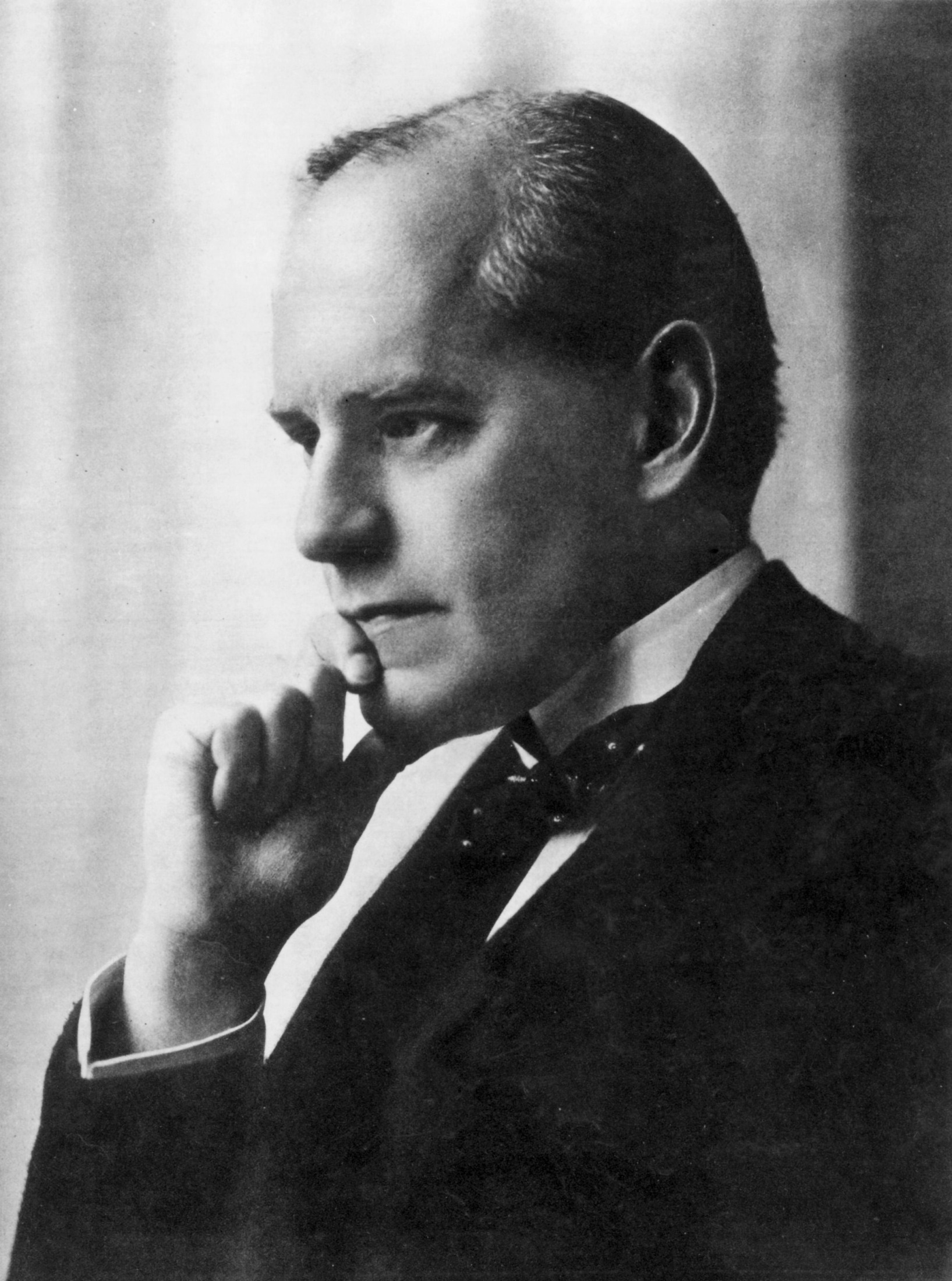
A discerning chronicler of Edwardian and Georgian England, John Galsworthy captured the manners, morals, and social anxieties of the upper-middle class with an unflinching gaze. Born in Kingston Hill, Surrey, England, on August 14, 1867, into a wealthy, established family, he would later become a pivotal voice in British literature before his death in London on January 31, 1933.
Galsworthy's early life followed a conventional path for a young man of his standing. He received his education at Harrow School and New College, Oxford, where he read law. Called to the bar in 1890, he found the legal profession unappealing. Instead, extensive travels abroad provided him with a broader perspective, during which he befriended Joseph Conrad. Conrad's encouragement played a crucial role in Galsworthy's decision to pursue writing, a path he initially took under the pseudonym John Sinjohn.
His true literary career began to flourish when he published *The Man of Property* in 1906 under his own name. This novel introduced the formidable Forsyte family, marking Galsworthy's breakthrough into the literary world. He wrote at a time when realism was gaining traction and social commentary was increasingly expected of novelists, fitting perfectly into the contemporary publishing landscape with his keen observations of society.
Among his most notable works, *The Forsyte Saga* stands out, a trilogy of novels—comprising *The Man of Property*, *In Chancery*, and *To Let*—that chronicles the lives and generational shifts within a prominent, possessive English family from the late Victorian era through the 1920s. His plays, too, brought him significant acclaim; *Justice* (1910) exposed the harsh realities and inflexibility of the legal system, while *Loyalties* (1922) dissected class prejudice and the unwritten codes of honor in English society. He also continued the Forsyte narrative with later works like *A Modern Comedy*, further tracing the family’s fortunes and the changing world around them.
Across his body of work, Galsworthy employed a clear, precise prose style, grounded in social realism. His writing frequently examines themes of property and possession—both material and human—alongside the tension between individual passion and societal convention. He often critiques the materialism and hypocrisy he observed in the English upper classes, illustrating the ways in which rigid social structures could lead to personal suffering and injustice. A potent example of this recurrent theme is the character of Soames Forsyte in *The Man of Property*, whose possessiveness extends even to his wife, defining the stifling atmosphere for the entire family.
Galsworthy's contribution to English letters was recognized with the Nobel Prize in Literature in 1932, acknowledging his distinguished manner of narration which reached its zenith in *The Forsyte Saga*. He remains an essential voice for understanding the social dynamics and moral concerns of his era, influencing subsequent writers through his commitment to social realism and his empathetic portrayals of characters caught within societal constraints. His powerful narratives of class, justice, and human relationships continue to resonate, making his works as compelling to consider today.
More on Wikipedia →