The lion's skin
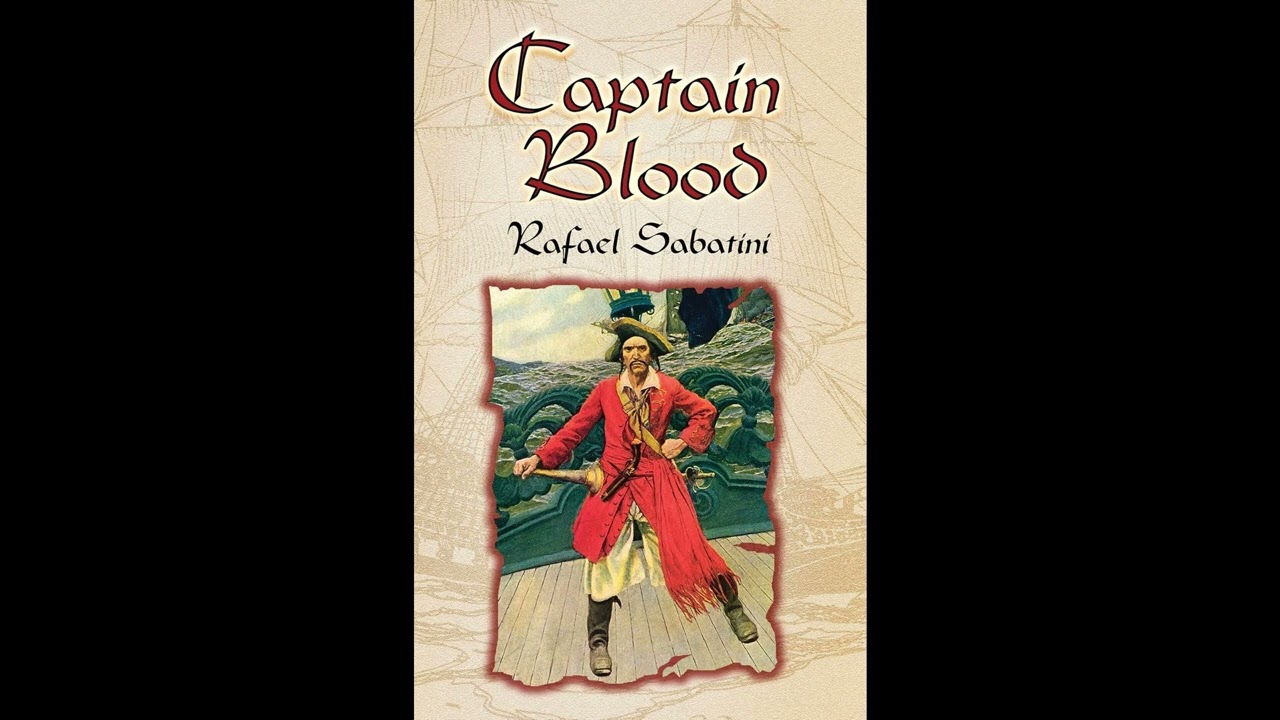
Rafael Sabatini’s The Lion’s Skin unfurls a dramatic saga of retribution and reinvention. This compelling story features a man, wronged and presumed dead, who meticulously crafts a new identity to reclaim his honor and deliver justice. Listeners will find themselves engrossed by its timeless questions: Can one truly shed a past? What constitutes true justice? How much does society’s perception define a person, especially when they choose to wear a "lion's skin" of deception? This narrative offers not just a thrilling adventure, but a keen examination of personal transformation and the enduring human desire for vindication. The tale opens with Bruce Faulconbridge, whose life is shattered by betrayal and a duel, leaving him disgraced and believed lost at sea. His reputation ruined, and his beloved Lady Chastelmar left to a manipulative guardian, the world believes him dead. Yet he survives, consumed by a burning desire for revenge against those who wronged him, vanishing from English society while he prepares for his reappearance. Years later, a mysterious and wealthy figure, the Baron de St. Auban, arrives on the English social scene. He is a man of refined manners and sharp intellect—a perfect stranger, yet one surprisingly informed about England’s powerful families. The Baron swiftly becomes a central figure in the circles that condemned Faulconbridge, moving with ease among aristocrats and schemers. His objective is clear: to systematically dismantle his adversaries’ lives without revealing his true identity, forcing them to confront their past misdeeds against an unknown force of justice. As the Baron executes his plans, he finds himself caught between his desire for vengeance and the rekindling of old affections, especially Lady Chastelmar, who is drawn to him. The narrative follows his machinations, the psychological warfare he wages, and the dangerous dance he performs to maintain his disguise while exposing his targets’ misdeeds. Tension builds as secrets threaten to unravel and the Baron's true nature hovers close to discovery, forcing him to make difficult choices between his identity, his love, and the triumph of his revenge. Rafael Sabatini was born in Jesi, Italy, in 1875. The son of an Italian father and an English mother, he mastered several languages. His linguistic ability and love for history shaped his literary endeavors. Though he initially worked in business and as a translator, Sabatini dedicated himself to fiction, publishing his first novel in 1902. He went on to pen over thirty novels and many historical works, known for meticulous detail and dramatic storytelling. He became a master of the historical adventure novel, transporting readers to eras like the French Revolution, the Golden Age of Piracy, and Renaissance Italy, with a blend of romance, intrigue, and thrilling action. His protagonists, often daring men of honor operating outside established order, embodied independence and personal justice. Works like Scaramouche, a tale of a lawyer turned swashbuckling actor, and Captain Blood, chronicling an Irish physician turned pirate, became hugely popular and established him as a significant historical romancer. His writing style, marked by crisp prose and engaging dialogue, appealed to audiences seeking escapism and heroic narratives. Many of his novels were adapted into successful films. Sabatini passed away in 1950, leaving behind a body of work that continues to enthrall readers with its blend of historical authenticity and dramatic tension. At its core, The Lion's Skin is a study of identity and disguise. Bruce Faulconbridge’s transformation into the Baron de St. Auban is a complete reinvention of self. The narrative details how one constructs a new history and personality, prompting listeners to consider how identity is shaped by perception. The title itself alludes to the classical idea of a man donning a powerful guise, hinting at the true nature hidden beneath. It also examines revenge and redemption. Faulconbridge’s initial motivation is vengeance against those who wronged him. Yet, as his plans unfold and he re-encounters figures from his former life, particularly Lady Chastelmar, his resolve is tested. The story raises questions about retribution’s moral costs and whether solace lies in vengeance or forgiveness. This internal struggle adds a psychological layer. Furthermore, Sabatini critiques the hypocrisy of early nineteenth-century high society, where reputation masked corruption. Rafael Sabatini penned The Lion's Skin, published in 1911, before the First World War. This period, often termed the Edwardian era, saw anxieties about class and modernity. While some writers turned towards realism and social commentary, Sabatini offered an escape to the Regency period, viewed nostalgically by early twentieth-century readers. His work emerged during a widespread appetite for romanticized historical fiction. Sabatini’s historical backdrops, with duels, balls, and social codes, provided a contrast to the industrializing world. The Lion's Skin, with its clear hero and villains, provided a sense of order and justice, appealing to a public seeking adventure and moral clarity. Listening to The Lion's Skin as an audiobook offers full immersion in Sabatini’s world. The narrator's performance breathes life into Faulconbridge’s plans and the society he infiltrates, lending distinct voices to each character. The pacing allows dramatic tension to build, making every twist feel immediate. This several-hours-long production is perfect for extended listening sessions, inviting listeners to get lost in the unfolding psychological drama as the lion truly sheds his skin.
Enjoyed The lion's skin? A few ways to support us
Audible & Amazon links are affiliate; we may earn a small commission at no extra cost.
About this production
Human narration by a volunteer reader from LibriVox.org, the public-domain audiobook project. LibriVox volunteers record literary works whose copyright has expired in the United States, releasing the resulting recordings into the public domain.
The lion's skin by Rafael Sabatini. The underlying text is in the U.S. public domain. We do not republish any modern copyrighted edition, translation, or commentary.
The 4K cinematic visuals accompanying this audiobook are generated by an AI image model from prompts derived from the source text. No copyrighted photos, paintings, or stock footage are used. AI generation is disclosed on every video on our YouTube channel as required by YouTube's altered/synthetic content policy.
English subtitles are transcribed from the LibriVox recording with OpenAI Whisper. Translations into the 11 other supported languages are produced by Meta's NLLB-200 neural translation model. No human translator's copyrighted translation is used.
Questions about sourcing or rights? See our DMCA & Sourcing policy or contact us.
Enjoyed this audiobook?
If you'd like to own a copy of The lion's skin or hear a professionally produced edition, the links below help support free audiobook production at no extra cost to you.
As an Amazon Associate we earn from qualifying purchases. Audible / print links are affiliate.