Snow Blind
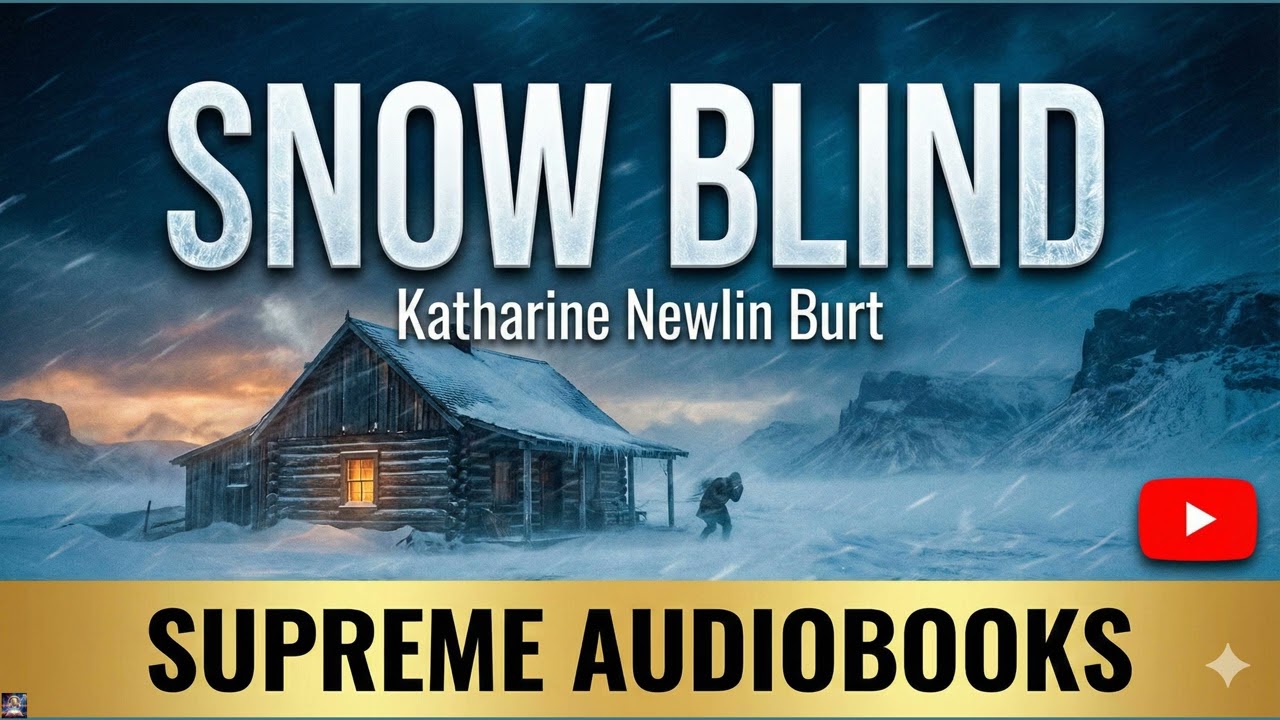
Within the stark, unforgiving embrace of a North American winter, Katharine Newlin Burt’s Snow Blind emerges as a chilling and unforgettable meditation on human endurance, psychological tension, and the dark secrets that can fester beneath the surface of even the most isolated lives. This isn't just an adventure tale set against a backdrop of ice and snow; it's a profoundly unsettling character study, a slow-burning drama that peels back layers of deceit and self-preservation to reveal the raw, often frightening, core of human nature. Listeners today will find its gripping narrative as relevant as ever, resonating with our enduring fascination for survival stories and the moral dilemmas faced when extreme conditions strip away the polite facades of society. It’s a classic that demands attention, pulling you into a world where the elements are as threatening as the people around you, and where clarity of vision is blurred not just by the snow, but by suspicion and fear. The story drops us into a remote, snowbound cabin in the rugged mountain wilderness, a place where the world outside is a white, silent menace and the only warmth comes from a fragile fire. Here, a small group of disparate individuals finds themselves trapped, cut off from civilization by a relentless blizzard. Among them are a seasoned woodsman, a mysterious young woman with a troubled past, and others whose reasons for being in such an isolated locale are less than transparent. As the days bleed into weeks, the close quarters begin to fray nerves, and the forced intimacy gives way to suspicion. A sense of unease permeates the air, thickening with the falling snow, as the characters eye each other, each guarding their own history and motivations. Central to the burgeoning conflict is the realization that one of them harbors a dangerous secret, perhaps even a criminal past, and the isolated setting means there's no escape, no outside help, and no easy answers. The struggle for survival against the fierce elements becomes secondary to the internal drama unfolding within the cabin walls. Personalities clash, alliances shift, and the psychological pressure mounts, turning once-strangers into potential adversaries. The narrative skillfully builds this tension, revealing fragments of backstories, hinting at hidden fears, and allowing the chilling atmosphere to amplify every glance, every hushed conversation. The external threat of the blizzard serves as a powerful metaphor for the internal storms raging within each character, pushing them to their limits and forcing them to confront not only the dangers posed by each other but also their own complicity and moral choices. Katharine Newlin Burt, an American novelist, was born in 1887 and passed away in 1970. She carved a significant niche for herself in the literary landscape of the early 20th century, particularly known for her adventure stories and Western romances. Burt spent a formative period of her life in Wyoming, a setting that profoundly influenced many of her works and imbued them with an authentic sense of the frontier. She was married to Maxwell Struthers Burt, himself a noted author, and together they maintained a literary ranch in Wyoming, embodying the very spirit of the rugged individualism and natural beauty that often permeated her fiction. Her background living amidst the landscapes she so vividly described lent a realism and grit to her narratives, distinguishing her from many of her contemporaries who wrote about the West from a more distant perspective. Burt was a prolific writer, with novels like The Branding Iron, The Red Lady, and Quest earning her widespread popularity. Her works often resonated with themes of self-reliance, moral fortitude, and the complex interplay between human nature and untamed wilderness. She skillfully blended elements of romance, mystery, and adventure, creating stories that captivated a broad readership. While not typically categorized within the more experimental modernist movements of her time, Burt's writing offered compelling characterizations and engaging plots that provided both escapism and a thoughtful examination of American identity during a period of rapid change. Her place in the literary canon is that of a strong, distinctive voice in popular fiction, one who helped shape the narratives of the American West for a generation. Snow Blind brilliantly enacts several profound themes that transcend its specific setting and time. One central theme is the psychological impact of isolation and confinement. Trapped by the snow, the characters are forced into an uncomfortable intimacy, and the narrative meticulously tracks how this close-quarters living erodes their civility, amplifies their anxieties, and brings their inner demons to the fore. We see this in the increasing paranoia among the group as the days drag on, where a simple gesture can be misinterpreted, and trust becomes a scarce commodity. Another powerful theme is the fragility of human morality under duress. Faced with dwindling resources, looming threats, and the absence of societal norms, characters are pushed to make desperate choices, challenging their own ethics and revealing the thin line between survival and savagery. Consider the scene where a conflict over food or warmth exposes the raw, primal instincts lurking beneath a character's polite demeanor, forcing others to question their true nature. A third significant theme is the burden of secrets and the corrosive nature of deception. Each character seems to carry a hidden past or a concealed motive, and the story effectively uses the confined setting to bring these buried truths to the surface. The pressure cooker environment strips away pretenses, making it impossible for long-held deceptions to remain undisturbed. A quiet exchange, a telling hesitation, or an unexpected revelation in a moment of crisis all serve to illustrate how these personal secrets ripple through the small group, fostering distrust and escalating the overall tension. Finally, the story examines the idea of sight versus blindness, both literal and metaphorical. The literal snow blindness affects perception and movement, but metaphorically, the characters are often blind to the true intentions of others, or even to their own flaws and prejudices, until the harsh realities of their situation force them to see clearly. This is evident in how initial judgments about a character are slowly overturned as more of their true self is revealed under the relentless scrutiny of the confined space. When Katharine Newlin Burt’s Snow Blind was published in 1927, the world was undergoing significant transformations. The Roaring Twenties were in full swing in America, a decade characterized by unprecedented economic prosperity, changing social norms, the Jazz Age, and the growing influence of mass media. It was also a period following the immense trauma of World War I, which had left a pervasive sense of disillusionment and a yearning for both escapism and a re-evaluation of societal values. Literarily, the era saw the rise of modernism, but also a continuing appetite for popular genre fiction that offered adventure, romance, and psychological drama. The fascination with the American West, though evolving, remained strong, representing a space of rugged individualism and often, a testing ground for character. The work emerged at a time when audiences were keenly interested in stories that explored human psychology, often against dramatic backdrops. The confined, high-stakes scenario of Snow Blind would have appealed to readers who appreciated tales of human nature pushed to its limits, reflecting anxieties about trust and community in a rapidly changing world. It offered a compelling blend of thrilling adventure and introspective drama, fitting well into the popular fiction landscape that often served as both entertainment and a mirror to the societal concerns of the time. The stark isolation and moral ambiguities presented in the book resonated with a public grappling with new forms of freedom and responsibility, making it a timely and impactful contribution to the literature of its day. Listening to Snow Blind as an audiobook offers a unique and immersive experience that elevates its inherent suspense and atmospheric power. The "several hours" run length is perfectly suited for a deeply engaging listen, allowing the narrative to unfold at a deliberate, tension-building pace. A skilled narrator can truly bring the chilling mountain setting to life, their voice weaving the palpable cold, the oppressive silence of the snow, and the creaks of the isolated cabin into the listener's imagination. You'll want to pay close attention to the nuanced delivery of the dialogue, where every pause, every inflection, and every hushed word can reveal more about a character's hidden fears or deceptive intentions than the words themselves. The pacing of the narration will be crucial in building the psychological dread, perhaps slowing down during moments of intense internal conflict or accelerating during sudden dramatic revelations. The voice performance will distinguish the unique personalities of each trapped individual, making their clashing desires and mounting suspicions all the more vivid and unsettling, drawing you completely into the claustrophobic world where survival depends on discerning friend from foe beneath the blinding white.
Enjoyed Snow Blind? A few ways to support us
Audible & Amazon links are affiliate; we may earn a small commission at no extra cost.
About this production
Human narration by a volunteer reader from LibriVox.org, the public-domain audiobook project. LibriVox volunteers record literary works whose copyright has expired in the United States, releasing the resulting recordings into the public domain.
Snow Blind by Katharine Newlin Burt. The underlying text is in the U.S. public domain. We do not republish any modern copyrighted edition, translation, or commentary.
The 4K cinematic visuals accompanying this audiobook are generated by an AI image model from prompts derived from the source text. No copyrighted photos, paintings, or stock footage are used. AI generation is disclosed on every video on our YouTube channel as required by YouTube's altered/synthetic content policy.
English subtitles are transcribed from the LibriVox recording with OpenAI Whisper. Translations into the 11 other supported languages are produced by Meta's NLLB-200 neural translation model. No human translator's copyrighted translation is used.
Questions about sourcing or rights? See our DMCA & Sourcing policy or contact us.
View 10 famous quotes from this book →
Enjoyed this audiobook?
If you'd like to own a copy of Snow Blind or hear a professionally produced edition, the links below help support free audiobook production at no extra cost to you.
As an Amazon Associate we earn from qualifying purchases. Audible / print links are affiliate.