I Saw Three Ships and Other Winter Tales
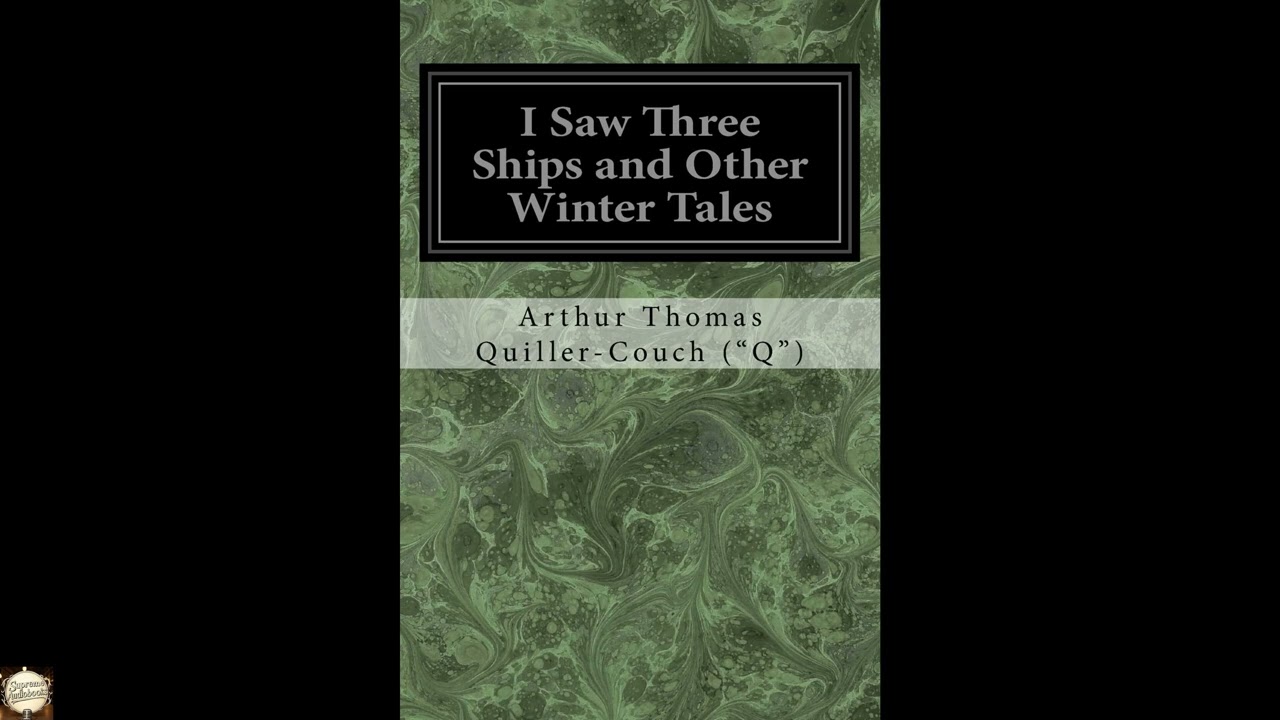
"I Saw Three Ships and Other Winter Tales" offers an invitation to step back into a world where the winter months, especially around the Christmas season, are illuminated by hearth fires, community spirit, and the enduring power of storytelling. This collection from Arthur Thomas Quiller-Couch, known affectionately as "Q," is a comforting antidote to modern anxieties, delivering a gentle reminder of the simple yet profound joys of human connection against the stark beauty of a frosty landscape. Listeners will find within these pages not just narratives, but an atmosphere – a palpable sense of warmth, nostalgia, and quiet wonder that feels as vital and appealing today as it did when these stories first captivated audiences. It is a work that champions kindness, tradition, and the hidden magic present in everyday life, particularly when days grow short and the world outside turns white. Within "I Saw Three Ships and Other Winter Tales," listeners will discover a series of narratives that paint vivid pictures of English village life and seafaring adventures during the colder months. While no single overarching plot ties these stories together, a thread of shared human experience and seasonal charm runs through them all. Often set in the windswept coastal regions of Cornwall, a landscape Quiller-Couch knew intimately, the tales introduce a gallery of memorable characters: weathered fishermen with their ancient lore, children full of innocent curiosity, resourceful villagers bracing against the elements, and sometimes, figures who seem to step directly from folklore into the present day. One might encounter, for instance, a small community preparing for Christmas, where the arrival of an unexpected guest, or the rediscovery of an old tradition, gently shifts the course of events. The titular story itself often evokes the ancient carol, weaving a narrative that perhaps involves a ship sailing into harbor on Christmas morning, bringing with it both tangible goods and intangible hopes. The central "conflicts" are rarely grand, world-shaking events. Instead, they often revolve around human dilemmas: misunderstandings between neighbors, the quiet courage required to face hardship, the struggle to uphold old customs in a changing world, or the simple desire for peace and belonging during a season of reflection. The arc of these individual stories tends toward resolution and a reinforcement of communal bonds. Though challenges may arise – a storm at sea, a mislaid treasure, a moment of loneliness – the narratives consistently guide us towards a sense of warmth and eventual harmony. The listener is never left in despair, but rather with a feeling of quiet contentment, having witnessed small victories of the human spirit. The focus remains steadfastly on the resilience and good humor of ordinary people confronting the extraordinary beauty and occasional harshness of winter. Arthur Thomas Quiller-Couch, born in 1863 in Bodmin, Cornwall, and passing away in 1944, was an influential figure in English literature, literary criticism, and education for over half a century. Known universally by his pen name "Q," he embodied the spirit of the late Victorian and early Edwardian eras, bridging the gap between romantic sensibilities and emerging modernism with his distinctive style and profound respect for the English literary tradition. Educated at Newton Abbot College and Trinity College, Oxford, he began his career as a journalist in London, a path that soon gave way to the writing of fiction, poetry, and critical essays. Q’s deep love for his native Cornwall often permeated his work, lending an authentic regional flavor to his stories of adventure, romance, and the everyday lives of its people. Beyond his original fiction, such as the novel The Splendid Spur or the short story collection The Delectable Duchy, he gained widespread renown for his editorial work. Most notably, he compiled The Oxford Book of English Verse, first published in 1900, an anthology that became a standard and beloved collection of poetry for generations, shaping the literary tastes of countless readers. His literary endeavors extended further when, in 1912, he was appointed the King Edward VII Professor of English Literature at Cambridge University, a position he held until his death. At Cambridge, Quiller-Couch was instrumental in advocating for the study of English literature as a serious academic discipline, often emphasizing the craft of writing and the appreciation of beauty in prose and poetry. He was a champion of clarity, elegance, and integrity in language, principles he tirelessly taught and demonstrated through his own writing. His position in the literary canon is secured not just by his creative output, but by his enduring influence as an editor and a thoughtful proponent of literary education, continually reminding us of the power and pleasure inherent in well-told stories. The tales within this collection resonate with several enduring themes that remain pertinent. One prominent theme is the celebration of community and tradition. Quiller-Couch often portrays close-knit villages where the rhythm of life is dictated by the seasons and ancestral customs. For instance, stories frequently feature characters gathering around a shared fire, exchanging news, or participating in age-old seasonal rites. These scenes highlight how collective memory and mutual support bind people together, particularly during the testing times of winter, reinforcing a sense of belonging that provides comfort and strength. Another significant theme is the reverence for nature and the power of the landscape. Cornwall's rugged coastlines, unpredictable seas, and quiet inland villages are not mere backdrops; they are active participants in the narratives. The biting winds, the warmth of a sudden snowfall, or the sound of waves crashing against cliffs all contribute to the mood and influence the characters' destinies. Q also frequently touches upon the theme of resilience in the face of hardship, showing how ordinary people confront and overcome adversity with quiet courage and optimism, finding beauty and meaning even in challenging circumstances. His stories remind us that while the world may present difficulties, the human spirit, supported by kindness and good humor, often triumphs. "I Saw Three Ships and Other Winter Tales" emerged from a period of significant change and reflection in Britain, primarily spanning the late Victorian and early Edwardian eras, when Quiller-Couch was most active. The late nineteenth and early twentieth centuries saw rapid industrialization and urbanization, which often led to a yearning for simpler times and a renewed interest in rural life, folklore, and regional identities. Writers like Q offered readers a nostalgic escape to worlds where tradition still held sway and natural beauty was paramount. This era also followed the immense popularity of Christmas-themed literature, largely cemented by Charles Dickens earlier in the century. Quiller-Couch, writing in this tradition, contributed to the genre of seasonal storytelling that blended moral lessons with heartwarming narratives, often tinged with a dash of mystery or the supernatural. His work reflects a broader cultural movement that sought to preserve and celebrate distinctly British customs and landscapes against the backdrop of an expanding empire and increasing global interconnection. These stories served as a gentle reaffirmation of national character and local heritage, providing comfort and a sense of continuity amidst a rapidly modernizing world. Listening to "I Saw Three Ships and Other Winter Tales" as an audiobook offers a unique and intimate way to experience Quiller-Couch's prose. With several hours of content, this collection becomes a companion through quiet evenings or long drives, perfectly suited for the thoughtful listener. A skilled narrator's voice transforms the written word into a living performance, bringing out the subtle nuances of Cornish dialect, the quiet dignity of a sea captain, or the innocent wonder of a child witnessing a winter marvel. The pacing often mirrors the unhurried rhythm of the tales themselves, allowing the listener to settle into the atmosphere, savor the descriptive language, and absorb the gentle wisdom each story imparts. The auditory experience enhances the warmth, the rustling sense of folklore, and the feeling of shared humanity that lies at the heart of these winter narratives, making them feel as if they are being told personally by a fireside storyteller.
Enjoyed I Saw Three Ships and Other Winter Tales? A few ways to support us
Audible & Amazon links are affiliate; we may earn a small commission at no extra cost.
About this production
Human narration by a volunteer reader from LibriVox.org, the public-domain audiobook project. LibriVox volunteers record literary works whose copyright has expired in the United States, releasing the resulting recordings into the public domain.
I Saw Three Ships and Other Winter Tales by Arthur Thomas Quiller-Couch. The underlying text is in the U.S. public domain. We do not republish any modern copyrighted edition, translation, or commentary.
The 4K cinematic visuals accompanying this audiobook are generated by an AI image model from prompts derived from the source text. No copyrighted photos, paintings, or stock footage are used. AI generation is disclosed on every video on our YouTube channel as required by YouTube's altered/synthetic content policy.
English subtitles are transcribed from the LibriVox recording with OpenAI Whisper. Translations into the 11 other supported languages are produced by Meta's NLLB-200 neural translation model. No human translator's copyrighted translation is used.
Questions about sourcing or rights? See our DMCA & Sourcing policy or contact us.
Enjoyed this audiobook?
If you'd like to own a copy of I Saw Three Ships and Other Winter Tales or hear a professionally produced edition, the links below help support free audiobook production at no extra cost to you.
As an Amazon Associate we earn from qualifying purchases. Audible / print links are affiliate.