A Winter Amid the Ice, and Other Thrilling Stories
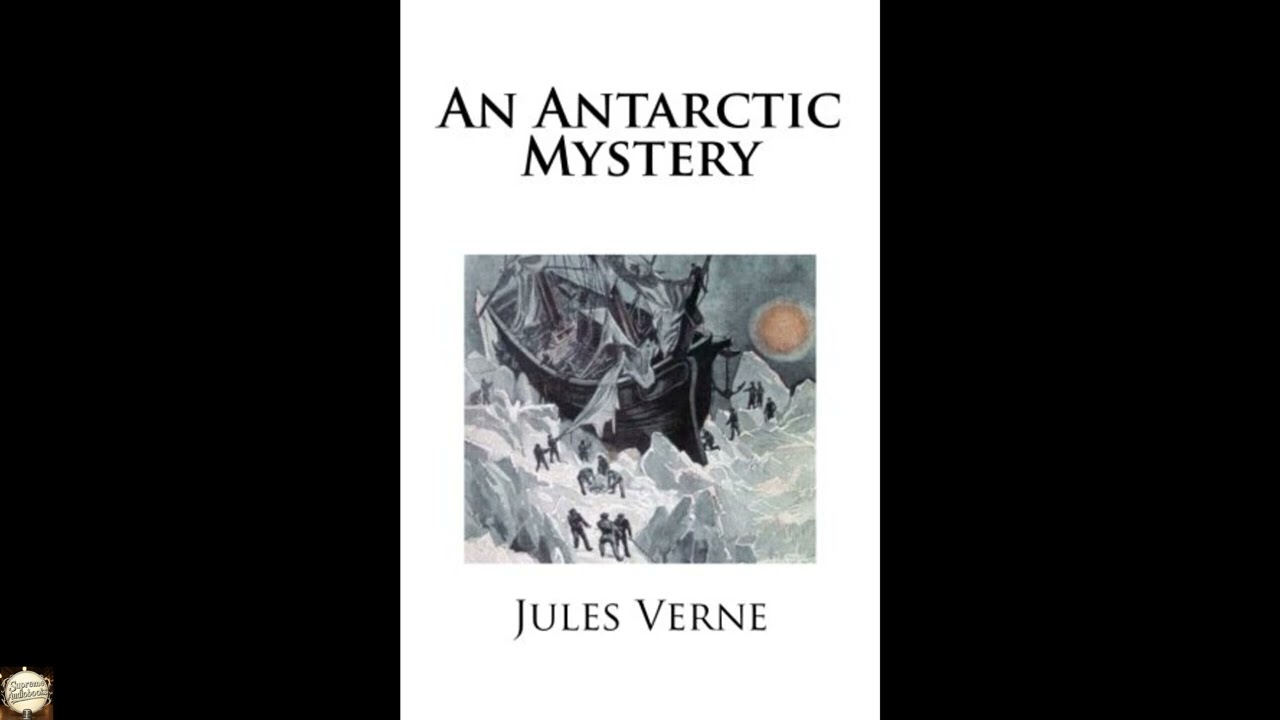
Step into a world where scientific ambition clashes with the raw, untamed power of nature, where the spirit of discovery propels humanity to the furthest, most unforgiving corners of the globe. Jules Verne's "A Winter Amid the Ice, and Other Thrilling Stories" stands as a foundational collection of adventure tales, offering listeners a window into the dramatic scientific and geographical pursuits that defined the mid-19th century. This isn't just a collection of old stories; it's a testament to the enduring human drive to push boundaries, to confront the unknown, and to survive against seemingly insurmountable odds. For anyone fascinated by the genesis of science fiction, the golden age of exploration, or simply a well-crafted tale of human fortitude, Verne’s early narratives resonate with a primal energy that feels as current today as it did more than a century ago. The titular story, "A Winter Amid the Ice," plunges listeners into the unforgiving environment of the Arctic Circle aboard a whaling ship, the Jeune-Hardie. The vessel, under the command of Captain Hatteras, finds itself in dire straits when it becomes hopelessly trapped in a vast, impenetrable expanse of ice. What begins as a routine expedition quickly devolves into a desperate struggle for survival, testing the limits of the crew’s endurance and sanity. Dr. Clawbonny, the ship's surgeon and narrator, provides a keen observer's perspective as the men face dwindling supplies, unimaginable cold, and the relentless, silent pressure of the frozen wastes. The central conflict quickly emerges: not merely man against nature, but man against his own despair, his own ambition, and the harsh realities of a world indifferent to human endeavor. As the Arctic winter sets in, painting the landscape in shades of stark white and icy blue, the crew must contend with starvation, frostbite, and the slow erosion of morale. Mutiny simmers beneath the surface, while the captain's unwavering — almost obsessive — determination to continue pushing northward creates a dangerous tension. The story masterfully builds an atmosphere of isolation and increasing peril, with each passing day bringing new challenges and requiring ingenuity to overcome them, all without revealing the ultimate fate of the expedition or the final resolution of their icy entrapment. The other stories in the collection share this spirit, often presenting characters in extraordinary circumstances, facing technological marvels or natural phenomena that stretch the boundaries of the then-known world. Jules Verne, born in Nantes, France, in 1828, remains one of the most celebrated and influential figures in popular literature. His early life was marked by a passion for travel and science, even as he pursued a career in law at the insistence of his father. After moving to Paris, he soon abandoned law for writing, initially focusing on plays and librettos. A pivotal moment arrived when he met publisher Pierre-Jules Hetzel, who encouraged Verne to blend his scientific interests with adventure narratives. This collaboration led to the creation of the "Voyages Extraordinaires" series, a vast body of work that would define his legacy. Verne's output was prodigious, stretching from the 1860s until his death in 1905. His groundbreaking novels like Journey to the Center of the Earth, Twenty Thousand Leagues Under the Seas, and Around the World in Eighty Days cemented his reputation as a visionary. He foresaw many technological advancements, including submarines, space travel, and air travel, earning him the moniker "Father of Science Fiction." Yet, his work transcends mere prediction; it's an intelligent and often humorous commentary on humanity's relationship with progress and discovery, securing his place as a giant in the literary canon, admired by scientists and artists alike for his meticulous research and boundless imagination. The stories collected here, particularly "A Winter Amid the Ice," vividly enact several enduring themes. Foremost is human perseverance in the face of overwhelming adversity. Listeners witness the sheer willpower required to endure the biting cold, the scarcity of food, and the mental strain of isolation. A concrete example appears in the crew's ingenious methods for hunting seals and bears, or their desperate attempts to ration dwindling supplies, highlighting their resourcefulness against nature's wrath. Another prominent theme is the relentless allure of the unknown and the human drive for scientific and geographical conquest. Captain Hatteras's unwavering desire to reach the North Pole, even at the cost of his crew's well-being, exemplifies this often-perilous ambition. His obsession serves as a cautionary tale, balancing noble scientific intent against the dangers of unchecked zeal. The narratives also grapple with man's profound insignificance when confronted with the vast power of nature. The immense, silent expanse of the Arctic, capable of crushing ships and swallowing expeditions whole, reminds us that even with advanced technology, humanity is ultimately subject to forces far greater than itself. The creaking ice and the endless night depicted in "A Winter Amid the Ice" underscore this point, presenting a stark contrast between human will and the indifferent might of the natural world. Finally, there is the underlying question of the moral responsibilities accompanying scientific advancement and exploration. When does pioneering spirit cross the line into recklessness? Verne subtly probes this through the actions and reactions of the ship's different personalities, from the driven captain to the pragmatic doctor and the increasingly desperate crew. These stories emerged during a period of intense global interest in exploration and scientific discovery. The mid-19th century was an age of daring expeditions to the Arctic and Antarctic, with figures like Sir John Franklin capturing public imagination – and sometimes meeting tragic ends. Advances in steam power, navigation, and cartography fueled the belief that no corner of the Earth was beyond human reach. Culturally, there was a growing appetite for popular adventure fiction, often serialized in magazines, which could transport readers to exotic locales and introduce them to new scientific concepts. Verne's works capitalized on this burgeoning interest, skillfully blending factual scientific details with thrilling plots, making complex ideas accessible and exciting to a wide audience. The political landscape, too, with European powers vying for global influence, saw geographical conquest as an extension of national pride and technological superiority, further contextualizing the intense drives depicted in Verne's narratives. Listening to "A Winter Amid the Ice, and Other Thrilling Stories" as an audiobook offers an exceptionally immersive experience. The narrator's voice becomes the primary lens through which the listener perceives the biting cold, the creaking of the ice, and the strained interactions between the men. With a run length of several hours, this collection is ideal for extended listening sessions, allowing the atmosphere to truly settle and build. Listeners can focus on the dramatic pacing as the tension mounts, the subtle shifts in character voices revealing growing desperation or steadfast resolve, and the rich dialogue that illuminates the characters' inner lives. The soundscape painted by the narration transports you directly onto the frozen deck, making the vast, desolate beauty and terrifying power of the Arctic more palpable than reading alone might achieve. It transforms the historical accounts into a present-day drama, a testament to the enduring power of Verne’s storytelling.
Enjoyed A Winter Amid the Ice, and Other Thrilling Stories? A few ways to support us
Audible & Amazon links are affiliate; we may earn a small commission at no extra cost.
About this production
Human narration by a volunteer reader from LibriVox.org, the public-domain audiobook project. LibriVox volunteers record literary works whose copyright has expired in the United States, releasing the resulting recordings into the public domain.
A Winter Amid the Ice, and Other Thrilling Stories by Jules Verne. The underlying text is in the U.S. public domain. We do not republish any modern copyrighted edition, translation, or commentary.
The 4K cinematic visuals accompanying this audiobook are generated by an AI image model from prompts derived from the source text. No copyrighted photos, paintings, or stock footage are used. AI generation is disclosed on every video on our YouTube channel as required by YouTube's altered/synthetic content policy.
English subtitles are transcribed from the LibriVox recording with OpenAI Whisper. Translations into the 11 other supported languages are produced by Meta's NLLB-200 neural translation model. No human translator's copyrighted translation is used.
Questions about sourcing or rights? See our DMCA & Sourcing policy or contact us.
Enjoyed this audiobook?
If you'd like to own a copy of A Winter Amid the Ice, and Other Thrilling Stories or hear a professionally produced edition, the links below help support free audiobook production at no extra cost to you.
As an Amazon Associate we earn from qualifying purchases. Audible / print links are affiliate.