Guns and Snowshoes; Or, the Winter Outing of the Young Hunters
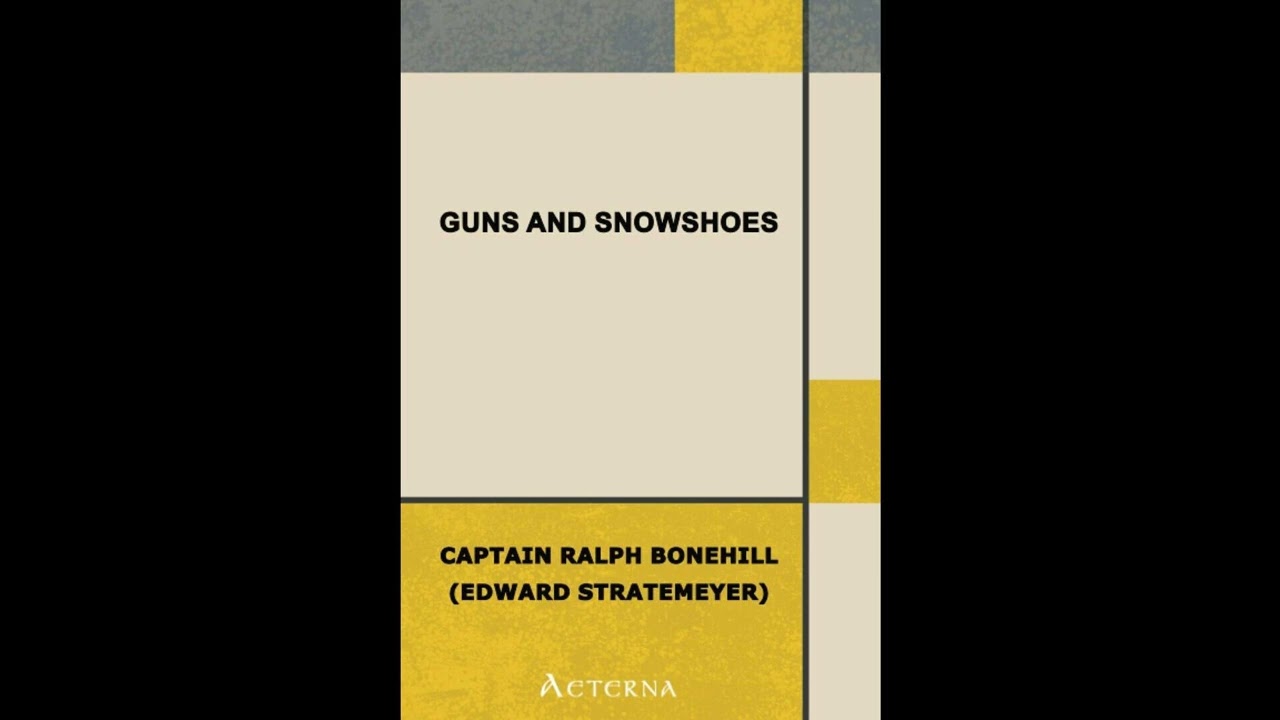
Step into a world where crisp winter air bites at your cheeks, snow lies thick and undisturbed across vast landscapes, and the spirit of adventure calls to young hearts. Guns and Snowshoes; Or, the Winter Outing of the Young Hunters offers precisely this kind of exhilarating escape, a classic tale from Edward Stratemeyer that transports listeners to an era of rugged self-reliance and youthful discovery in the great outdoors. This is more than just a hunting story; it is a vivid portrait of burgeoning independence, moral fortitude, and the deep, abiding camaraderie forged amidst the challenges of a northern winter. For modern audiences, it provides a fascinating window into the values and pastimes that shaped a generation, wrapped in an exciting narrative that still holds power to thrill and instruct. Our story begins as brothers Hal and Fred Sterling, accompanied by their cousin, Ned, eagerly prepare for a long-anticipated winter hunting expedition into the remote wilds of northern Michigan. Under the watchful eye of an experienced local woodsman, Jake, the boys are outfitted with sturdy snowshoes, reliable firearms, and provisions for what promises to be an unforgettable outing. The initial days are filled with the pure exhilaration of the hunt: tracking deer through fresh powder, setting traps for smaller game, and learning the practical skills of wilderness survival. They establish a cozy, rustic camp deep within the snowy woods, a haven against the biting cold, where stories are shared and lessons learned by the flickering firelight. However, the tranquility of their adventure is soon tested by the unpredictable forces of nature. A sudden, ferocious blizzard descends upon the region, blanketing the landscape in an impenetrable whiteout and threatening to cut off their retreat. Lost trails, dwindling supplies, and the constant threat of dangerous wildlife become very real concerns. The young hunters find themselves pushed to their physical and mental limits, relying on their courage, ingenuity, and the wisdom of their guide to navigate the treacherous conditions. As the days wear on, the challenges intensify, forcing Hal, Fred, and Ned to confront their fears and discover hidden strengths they never knew they possessed, forging a stronger bond between them in the process. Edward Stratemeyer (1862-1930) stands as one of the most prolific and influential figures in the history of American juvenile literature, though his name is often less recognized than the characters and series he created. Born in Elizabeth, New Jersey, Stratemeyer displayed an early talent for writing, beginning his career crafting dime novels and serial stories for boys' magazines. His true genius, however, lay in his ability to conceive of compelling characters and plotlines that resonated deeply with young readers, combined with an astute understanding of the burgeoning market for children's books. Recognizing the vast potential, he founded the Stratemeyer Syndicate in 1905, a groundbreaking enterprise that employed numerous ghostwriters to produce hundreds of books under various house pseudonyms. Through the Syndicate, Stratemeyer became the architect behind some of America's most enduring children's book series. While he personally authored many of the early volumes, his vision brought forth the much-loved adventures of Tom Swift, The Bobbsey Twins, The Rover Boys, and, perhaps most famously, The Hardy Boys and Nancy Drew. These series, often structured around wholesome adventures, moral dilemmas, and the triumph of good over evil, came to define a significant portion of American childhood reading during the early to mid-20th century. Stratemeyer's legacy is not merely in the quantity of books produced, but in establishing a formula for popular juvenile fiction that emphasized character development, problem-solving, and a clear moral compass, securing his unique place in the literary canon as a master of youth-oriented storytelling. Beyond the excitement of its plot, Guns and Snowshoes enacts several significant themes that offer a deeper understanding of its appeal. Self-reliance, for example, is central, as the young men are repeatedly forced to use their wits and skills to overcome obstacles when cut off from civilization. A scene where they must construct an emergency shelter using only their tools and natural materials vividly demonstrates their burgeoning independence and resourcefulness. Another key theme is the importance of camaraderie and mutual support; when one of the boys faces a moment of doubt or despair, the others step in to offer encouragement or practical assistance, highlighting the strength found in their collective resolve rather than individual heroism alone. The narrative also subtly promotes a profound respect for nature and its inherent power. The harsh beauty of the winter wilderness is depicted not just as a backdrop for adventure, but as a formidable presence demanding humility and careful observation. The boys learn to read the signs of the forest, understand animal behaviors, and recognize the limits of human control in the face of a true blizzard. Finally, the book illustrates the theme of moral growth and integrity. Throughout their trials, the characters are presented with opportunities to make choices that test their honesty and courage, reinforcing the idea that true strength lies not just in physical prowess, but in unwavering character and ethical decision-making. This book emerged during a fascinating period in American history, roughly coinciding with the turn of the 20th century. It was a time of rapid industrialization and urbanization, which paradoxically fueled a nostalgic longing for the perceived purity and challenge of the American wilderness. Stories like Stratemeyer’s catered to a growing desire among parents to instill traditional values of hard work, physical prowess, and moral uprightness in their sons, offering wholesome alternatives to the sensationalized dime novels of the era. This was also a period of increasing literacy and accessibility to books, especially for young people, making these adventure tales a powerful tool for both entertainment and character development. Culturally, there was a strong emphasis on character-building for boys, often through organized activities or literature that promoted outdoor skills and resilience. Guns and Snowshoes perfectly aligns with this ethos, providing a fictional blueprint for how young men could confront adversity, develop practical skills, and mature into responsible citizens, all while enjoying an exciting, action-packed narrative that reinforced idealized visions of American boyhood in the natural world. Listening to Guns and Snowshoes; Or, the Winter Outing of the Young Hunters as an audiobook offers a uniquely immersive experience, perfectly suited to the evocative descriptions and dramatic pacing of Stratemeyer’s prose. The "several hours" run length makes it an ideal companion for long drives, quiet evenings by the fire, or even for sparking imagination during a winter walk. A skilled narrator can bring to life the biting chill of the wind, the crunch of snow underfoot, the crackle of a campfire, and the hushed suspense of tracking game through the silent forest. The voices given to Hal, Fred, Ned, and the gruff but kind woodsman, Jake, will allow their distinct personalities and evolving courage to resonate deeply, making their growth and struggles feel immediate and real. Pay close attention to how the narration builds tension during the blizzard scenes and conveys the warmth of friendship during moments of quiet reflection, crafting a truly memorable and transporting auditory adventure.
Enjoyed Guns and Snowshoes; Or, the Winter Outing of the Young Hunters? A few ways to support us
Audible & Amazon links are affiliate; we may earn a small commission at no extra cost.
About this production
Human narration by a volunteer reader from LibriVox.org, the public-domain audiobook project. LibriVox volunteers record literary works whose copyright has expired in the United States, releasing the resulting recordings into the public domain.
Guns and Snowshoes; Or, the Winter Outing of the Young Hunters by Edward Stratemeyer. The underlying text is in the U.S. public domain. We do not republish any modern copyrighted edition, translation, or commentary.
The 4K cinematic visuals accompanying this audiobook are generated by an AI image model from prompts derived from the source text. No copyrighted photos, paintings, or stock footage are used. AI generation is disclosed on every video on our YouTube channel as required by YouTube's altered/synthetic content policy.
English subtitles are transcribed from the LibriVox recording with OpenAI Whisper. Translations into the 11 other supported languages are produced by Meta's NLLB-200 neural translation model. No human translator's copyrighted translation is used.
Questions about sourcing or rights? See our DMCA & Sourcing policy or contact us.
Enjoyed this audiobook?
If you'd like to own a copy of Guns and Snowshoes; Or, the Winter Outing of the Young Hunters or hear a professionally produced edition, the links below help support free audiobook production at no extra cost to you.
As an Amazon Associate we earn from qualifying purchases. Audible / print links are affiliate.