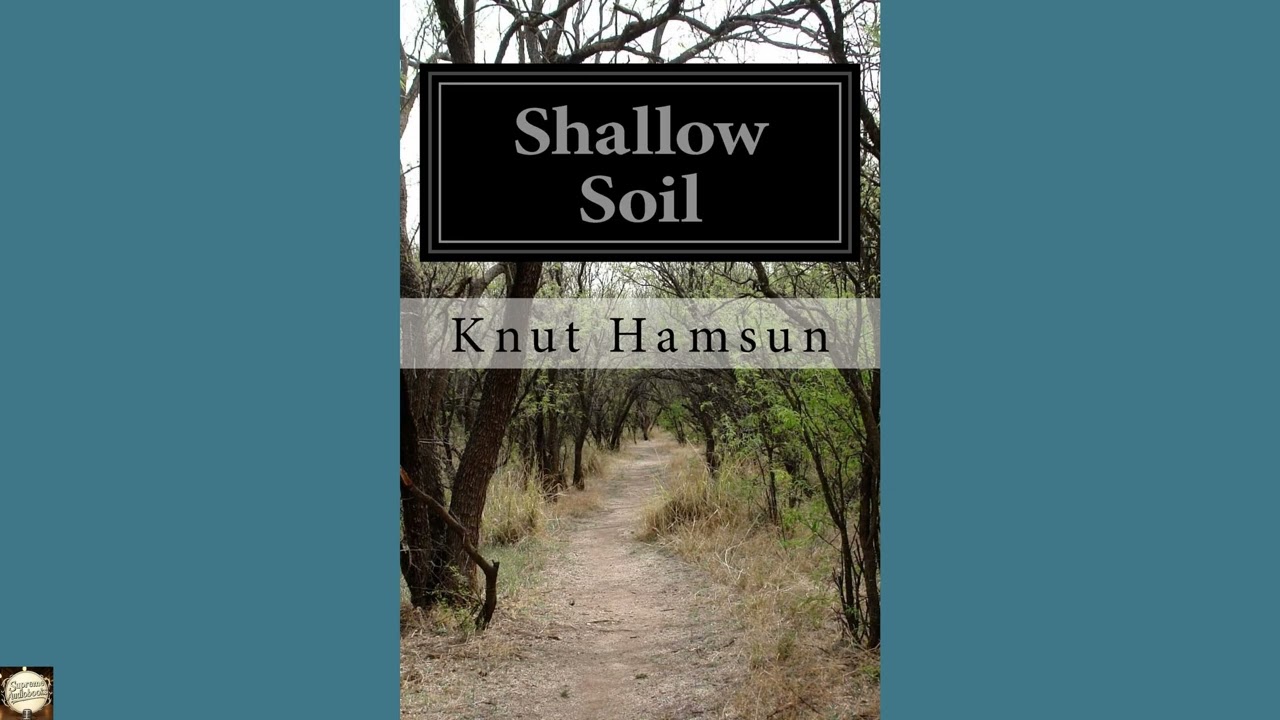
Shallow Soil
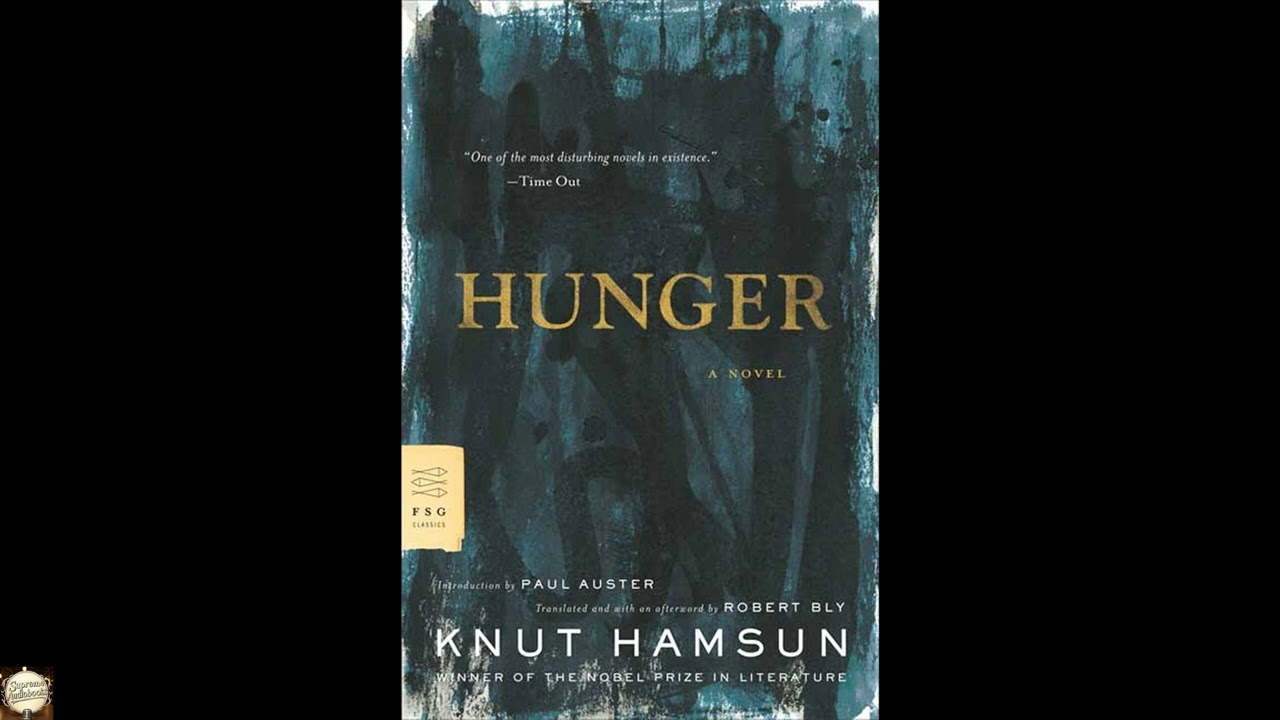
What happens when the self-proclaimed arbiters of culture become more concerned with their own image than with genuine creation? Knut Hamsun's "Shallow Soil," a sharp, insightful novel from the twilight of the nineteenth century, poses this very question, and its answer remains startlingly relevant today. This book offers a scathing yet often humorous critique of the urban artistic and intellectual milieu, contrasting the perceived superficiality of bohemian life with the quiet dignity of productive labor and traditional values. It invites listeners to reflect on the nature of ambition, the true meaning of artistry, and the foundational elements that constitute a worthwhile life, challenging us to look beyond fleeting trends and recognize enduring substance. The story unfolds in Kristiania—now Oslo—during a period of burgeoning modernity and cultural ferment. The city hums with the aspirations of a new class of intellectuals and artists, who gather in cafes and salons, debating aesthetics and declaring their genius. At the heart of the narrative is the tension between two distinct ways of life: the seemingly glamorous but often hollow existence of these bohemian figures, and the grounded, industrious world of people like Joachim, a hardworking businessman. Joachim represents the solid, unpretentious middle class, dedicated to his craft and his family. His wife, Hanne, initially finds herself drawn to the allure of the artistic circle, fascinated by their sophisticated conversations and their rejection of conventional norms. As Hanne spends more time among the poets, painters, and critics—individuals like the self-important poet Øien and the struggling Edevart—she begins to see beyond the surface. She witnesses their idleness, their constant need for patronage, their petty rivalries, and their often-fragile egos. The grand pronouncements about art frequently dissolve into gossip, debt, and a distinct lack of genuine accomplishment. Hanne's initial enchantment slowly gives way to disillusionment as she observes the chasm between the artists' lofty ideals and their often-disreputable conduct. The novel traces her shifting perceptions, drawing a clear distinction between those who talk about creating and those who quietly build and maintain the world around them. Knut Hamsun, born Knud Pedersen in rural Norway in 1859, grew from humble origins into one of the most significant literary figures of his time. His youth was marked by poverty and a restless spirit, leading him to a variety of odd jobs—from shoemaker's apprentice to road worker—and extensive travels, including two stints in America. These experiences profoundly shaped his perspective, nurturing a deep skepticism towards modernity and an affinity for the land and the natural life. His literary breakthrough came with "Hunger" in 1890, a revolutionary psychological novel that plunged into the tormented consciousness of a starving writer, signaling a radical departure from the prevailing realism and naturalism of the era. Hamsun became a pioneer of modern psychological literature, influencing a generation of writers with his focus on the irrational, the subconscious, and the complexities of individual experience. Other notable works such as "Mysteries" (1892), "Pan" (1894), and "Victoria" (1898) continued to cement his reputation for lyrical prose and penetrating character studies. In 1920, he was awarded the Nobel Prize in Literature for his monumental agrarian novel, "Growth of the Soil," a testament to the enduring power of rural life. However, Hamsun's legacy remains undeniably shadowed by his deeply controversial support for Nazi Germany during World War II, an affiliation that led to his trial for treason and a lasting stain on his otherwise celebrated literary career. "Shallow Soil" effectively enacts several profound themes through its characters and narrative. Central to the book is the idea of artistic authenticity versus pretense. The novel's bohemian characters are often shown to be more concerned with the idea of being an artist than with the arduous process of creating genuine art. For instance, listeners encounter prolonged, self-congratulatory discussions in cafes where grand works are promised but rarely materialize, contrasting sharply with the silent, consistent effort of individuals like Joachim, whose "art" lies in the tangible fruits of his labor. This highlights Hamsun's critique of intellectual posturing disconnected from meaningful output. Another significant theme is the clash between urban sophistication and natural simplicity. Hamsun subtly champions the values associated with a more grounded existence, portraying the urban artistic scene as a "shallow soil" that struggles to nurture true talent or stable relationships. The perceived moral laxity, the constant financial woes, and the interpersonal dramas of the artists stand in stark opposition to the quiet integrity and stability found in the more traditional, industrious life. Hanne's journey reflects this contrast, as she moves from an initial fascination with the city's intellectual glitter to a re-evaluation of the virtues of a simpler, more honest existence, exemplified by her hardworking husband and the tangible realities of their shared life. "Shallow Soil" emerged in a fascinating period of European history, following the rapid industrialization and urbanization of the late nineteenth century. Cities like Kristiania were expanding, creating new social strata and cultural milieus. This was also a time of significant literary shifts, with many writers reacting against the strictures of realism and naturalism, seeking new ways to express the complexities of human psychology. Hamsun himself had been at the forefront of this shift with "Hunger." "Shallow Soil," published in 1894, reflects Hamsun's growing interest in social critique, moving from the intense interiority of his earlier works to a broader, satirical commentary on contemporary society. It's a snapshot of a particular moment when the figure of the "bohemian artist" was both romanticized and ripe for critical examination, and Hamsun, ever the contrarian, provided a deeply unsentimental view of this emerging class. Listening to "Shallow Soil" as an audiobook allows for a deeply immersive encounter with Hamsun's distinctive voice and sharp observations. The narrator's performance brings each character to life, from the pompous pronouncements of the self-proclaimed poets to the quiet, dignified pragmatism of Joachim. With a run length of several hours, it's an ideal companion for extended listening sessions, whether during a long drive or while engaged in domestic tasks. The pacing of Hamsun's prose, often observational and quietly cutting, is enhanced by a skilled voice artist who can highlight the subtle ironies and emotional undercurrents in the dialogue. Listeners will appreciate how the spoken word accentuates the novel's atmospheric portrayal of Kristiania, drawing them into the cafes and drawing rooms where the drama of artifice and authenticity unfolds, allowing Hamsun's enduring critique to resonate with particular clarity.
Enjoyed Shallow Soil? A few ways to support us
Audible & Amazon links are affiliate; we may earn a small commission at no extra cost.
About this production
Human narration by a volunteer reader from LibriVox.org, the public-domain audiobook project. LibriVox volunteers record literary works whose copyright has expired in the United States, releasing the resulting recordings into the public domain.
Shallow Soil by Knut Hamsun. The underlying text is in the U.S. public domain. We do not republish any modern copyrighted edition, translation, or commentary.
The 4K cinematic visuals accompanying this audiobook are generated by an AI image model from prompts derived from the source text. No copyrighted photos, paintings, or stock footage are used. AI generation is disclosed on every video on our YouTube channel as required by YouTube's altered/synthetic content policy.
English subtitles are transcribed from the LibriVox recording with OpenAI Whisper. Translations into the 11 other supported languages are produced by Meta's NLLB-200 neural translation model. No human translator's copyrighted translation is used.
Questions about sourcing or rights? See our DMCA & Sourcing policy or contact us.
Enjoyed this audiobook?
If you'd like to own a copy of Shallow Soil or hear a professionally produced edition, the links below help support free audiobook production at no extra cost to you.
As an Amazon Associate we earn from qualifying purchases. Audible / print links are affiliate.