Sergeant York And His People
The story of Sergeant Alvin C. York stands as a towering pillar in the firmament of American heroism, a testament to courage, conviction, and the unexpected emergence of greatness from humble origins. "Sergeant York And His People" offers an intimate and deeply resonant portrait of the man behind the legend, reaching beyond the battlefield to illuminate the very soil and spirit that forged him. Why does this narrative, rooted in the early decades of the twentieth century, still hold such sway? Because it speaks to the eternal tension between personal conscience and national duty, the profound influence of one's community, and the surprising ways in which faith can guide a person through the darkest passages of war. It is a profound meditation on what it means to be an American hero – not a figure of flawless perfection, but a genuine individual grappling with immense moral questions and finding a path forward. Sam K. Cowan's compelling account transports us to the rugged, untamed landscapes of the Cumberland Mountains in Pall Mall, Tennessee, a place defined by its raw beauty and the independent spirit of its inhabitants. Here, we meet Alvin Cullum York as a young man, a formidable hunter and marksman, often given to drink and brawling, a quintessential "red-necked mountaineer" of his era. Yet, beneath this rough exterior, a profound moral awakening begins to stir. The narrative carefully traces his transformation, spurred by a powerful religious conversion that fundamentally reshapes his outlook on life and violence. His community, a close-knit populace bound by shared traditions and a literalist interpretation of scripture, forms the backdrop for his formative years, illustrating the unique blend of self-sufficiency and deep spiritual conviction that characterized these isolated settlements. As the shadow of the First World War stretches across the globe and reaches even into the remote valleys of Tennessee, York finds himself caught in an agonizing moral dilemma. Called to service through the national draft, his newfound faith compels him to refuse to kill, presenting a direct conflict with the demands of military combat. Cowan meticulously portrays this struggle, not as a simple act of defiance, but as a deeply personal and spiritual wrestling match, a man striving to reconcile his God's command with his country's urgent call. The ensuing narrative details his journey from a conscientious objector seeking exemption to a soldier grappling with the grim realities of training and the inevitability of deployment, all while holding fast to his core beliefs. Without revealing the specific climax of his military service, Cowan masterfully builds towards the ultimate crucible where York's faith, skill, and character are put to the severest test, crafting a story about a man trying to do right by both God and country. Sam K. Cowan, the author, was a prominent journalist and writer from Tennessee, known for his keen interest in regional history and the lives of Southern individuals. Born in the late nineteenth century and passing in 1933, Cowan was a contemporary observer of the cultural landscape that produced figures like Alvin York. He became deeply acquainted with York and his community, playing a crucial role in bringing York's incredible story to national attention during the years following the Great War. His journalistic background lent his writing a sense of immediacy and authenticity, focusing on factual detail and the human element. Cowan's work often championed the unique character and resilience of the Appalachian people, providing a valuable window into a culture that was frequently misunderstood or romanticized by outsiders. While not strictly part of a defined literary movement in the academic sense, his writing aligns with the broader trend of American regionalism that sought to document the diverse experiences and distinctive voices across the nation in the early twentieth century. His efforts helped bridge the gap between rural, isolated communities and a rapidly modernizing national consciousness, solidifying his place as an important chronicler of early 20th-century Southern life and its connection to larger American narratives. The book highlights several potent themes, chief among them the stark contrast between individual conscience and national obligation. Alvin York's struggle to reconcile his deeply held religious pacifism with the demands of military service forms the very backbone of the narrative. For instance, Cowan details York's appeals to his commanding officers, presenting his Bible and explaining his interpretations of scripture, demonstrating the profound internal conflict he faced before reaching any resolution regarding his duty. Another prominent theme is the unique identity and moral fiber of the Appalachian mountain people. The text paints a vivid picture of their self-reliance, their connection to the land, and their unwavering faith, showing how these characteristics shaped York's worldview and moral compass. His exceptional skill as a marksman, honed through years of hunting in the rugged terrain, becomes a direct manifestation of his upbringing, illustrating how his "people" contributed directly to his later achievements. Furthermore, the narrative deeply examines the nature of heroism, particularly the concept of the reluctant hero. York never sought glory or fame; his actions were born from a desperate situation and his inherent character. Cowan shows how York's eventual acts of bravery were not premeditated or driven by a thirst for accolades, but rather a response to the immediate dangers faced by himself and his comrades, filtered through his unique ethical framework. This portrayal offers a powerful counterpoint to more conventional, celebratory narratives of war heroes, suggesting that true courage often arises from profound moral struggle and a commitment to protecting others, rather than an eagerness for combat. The unwavering role of faith, specifically his adherence to the Bible's teachings, also stands out, showcasing how personal belief systems can profoundly impact individual decision-making in moments of extreme pressure. "Sergeant York And His People" emerged during a specific cultural and historical moment in America. The book was published in the wake of the First World War, a period when the nation was eager to find and celebrate its heroes, seeking to understand the immense sacrifices made and to solidify a sense of national identity after a devastating global conflict. Alvin York's story, with its themes of the common man rising to extraordinary heights, the triumph of individual will, and the moral complexities of war, perfectly resonated with this post-war sentiment. Culturally, there was a growing fascination with regional American stories, moving beyond the traditional East Coast narratives to embrace the diverse experiences of figures from the South, West, and Midwest. This interest in the "authentic American" experience provided fertile ground for Cowan's detailed account of York's Appalachian roots and his unique journey. The book also contributed to the rise of biographical non-fiction that sought to document and interpret the lives of prominent figures for a broad readership. Listening to "Sergeant York And His People" as an audiobook offers a singular opportunity to immerse oneself in this pivotal American narrative. The several hours of runtime allow for a deliberate pacing, mirroring the thoughtful, measured life of its protagonist and the slow unfolding of his moral awakening. A skilled narrator can bring to life the distinct dialects and quiet gravitas of the Appalachian characters, giving voice to York's earnest sincerity and the wisdom of his community members. Pay close attention to the dialogue, which is crucial for conveying the regional flavor and the deep spiritual conviction that underpins York's words. The spoken word can particularly emphasize the atmosphere of the Cumberland Mountains, evoking the stillness of the wilderness, the crack of a rifle, or the solemnity of a prayer meeting, drawing listeners into the specific world that shaped a legendary figure.
Enjoyed Sergeant York And His People? A few ways to support us
Audible & Amazon links are affiliate; we may earn a small commission at no extra cost.
About this production
Human narration by a volunteer reader from LibriVox.org, the public-domain audiobook project. LibriVox volunteers record literary works whose copyright has expired in the United States, releasing the resulting recordings into the public domain.
Sergeant York And His People by Sam K. (Sam Kinkade) Cowan. The underlying text is in the U.S. public domain. We do not republish any modern copyrighted edition, translation, or commentary.
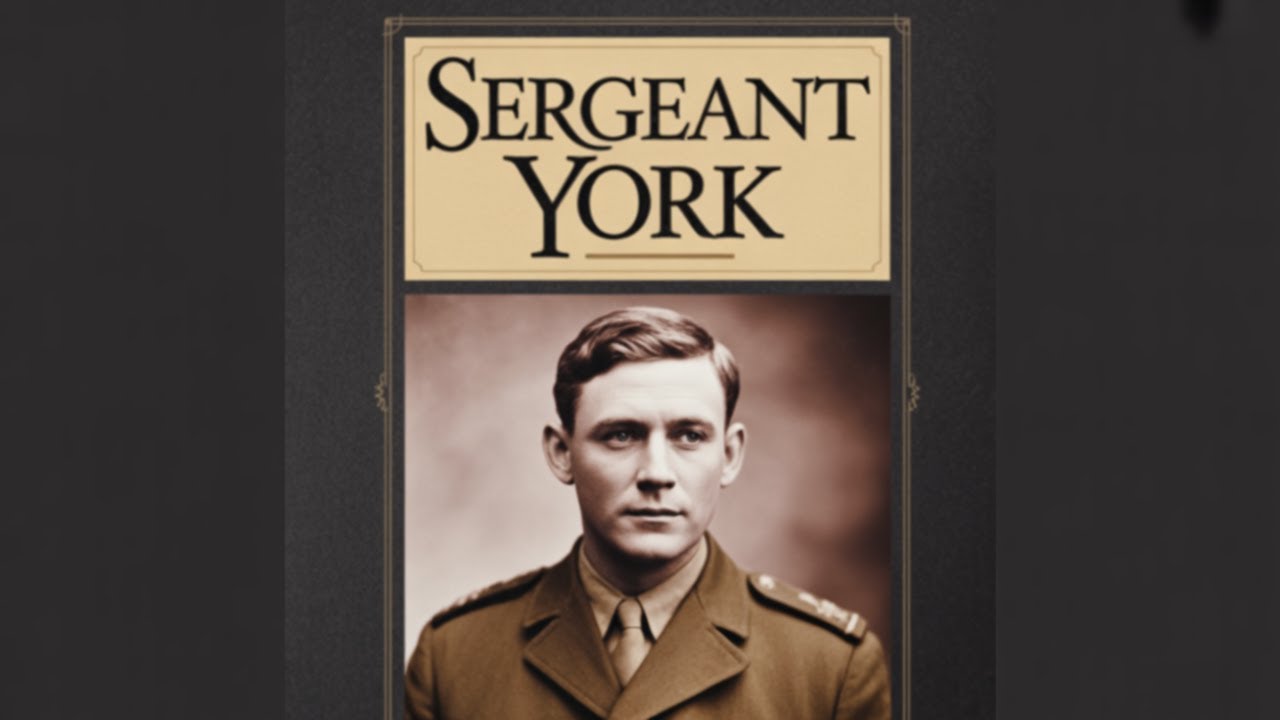
The 4K cinematic visuals accompanying this audiobook are generated by an AI image model from prompts derived from the source text. No copyrighted photos, paintings, or stock footage are used. AI generation is disclosed on every video on our YouTube channel as required by YouTube's altered/synthetic content policy.
English subtitles are transcribed from the LibriVox recording with OpenAI Whisper. Translations into the 11 other supported languages are produced by Meta's NLLB-200 neural translation model. No human translator's copyrighted translation is used.
Questions about sourcing or rights? See our DMCA & Sourcing policy or contact us.
Enjoyed this audiobook?
If you'd like to own a copy of Sergeant York And His People or hear a professionally produced edition, the links below help support free audiobook production at no extra cost to you.
As an Amazon Associate we earn from qualifying purchases. Audible / print links are affiliate.