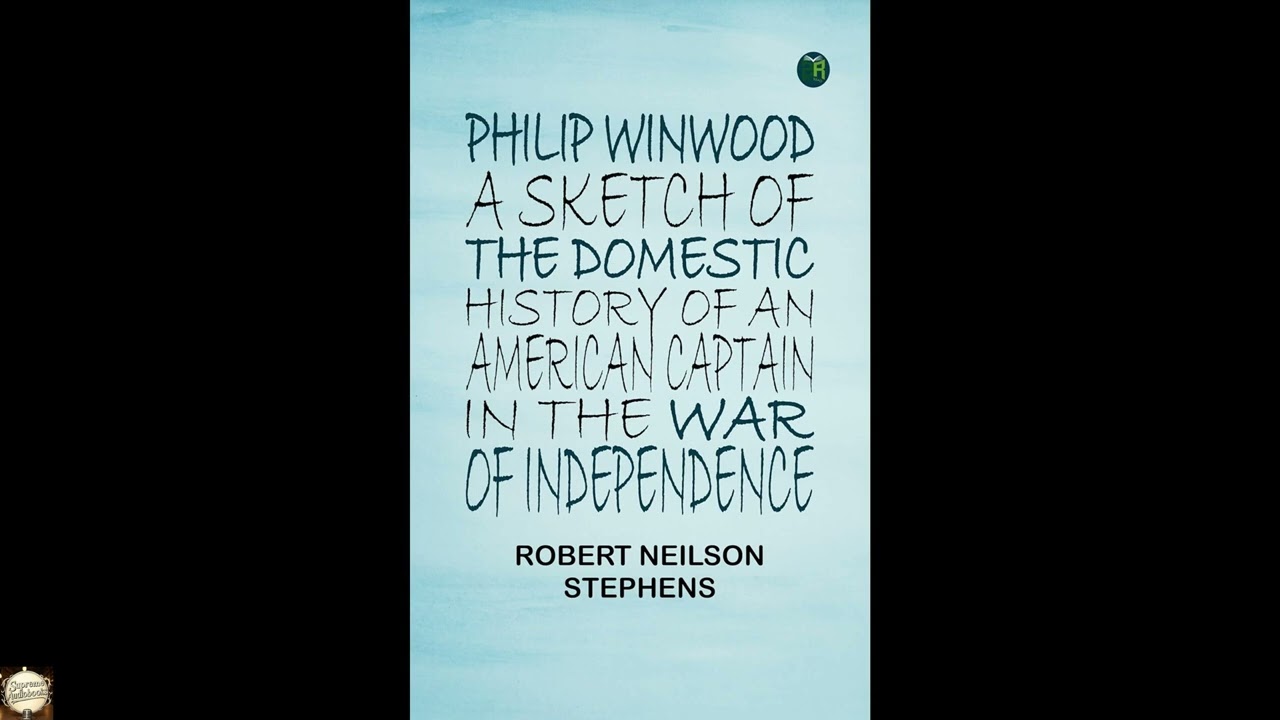
Philip Winwood A Sketch of the Domestic History of an American Captain in the War o
Philip Winwood: A Sketch of the Domestic History of an American Captain in the War o invites listeners into the intimate, often overlooked corners of life during a nation-defining conflict. This compelling narrative offers a window into the human heart amidst the crucible of war, not through the grand pronouncements of generals or the sweeping accounts of battles, but through the enduring struggles and quiet triumphs of one family. It is a story that resonates profoundly today, reminding us that behind every historical milestone lie the profound personal sacrifices, resilience, and unwavering spirit of ordinary people caught in extraordinary times, illustrating how the clamor of national events echoes loudest in the privacy of the home. The story unfolds against the tumultuous backdrop of America's fight for independence, a period that reshaped a continent and forged a new nation. We are introduced to Philip Winwood, a man of quiet strength and deep familial affections, whose world is irrevocably altered by the call to arms. As a captain in the nascent American forces, Philip leaves behind his beloved wife, Martha, and their young children, trading the serene rhythm of domesticity for the harsh realities of military service. The early chapters meticulously paint a picture of their peaceful home life, a sanctuary soon to be tested by the distant rumble of cannons and the ever-present shadow of danger. Philip’s sense of duty compels him onto the battlefield, yet his heart remains tethered to the hearth he has sworn to protect, creating a poignant central conflict between his allegiance to country and his profound love and responsibility for his family. As Philip endures the bitter cold of winter encampments, the arduous marches, and the constant threat of enemy engagement, Martha, back home, faces her own daily skirmishes. She must manage the household with dwindling resources, protect her children from the escalating fears and privations of war, and maintain a beacon of hope amidst scarcity and uncertainty. The narrative skillfully charts their parallel struggles, showing how the war's tendrils reach even the quietest corners of domestic existence. Through their individual trials and infrequent, poignant reunions, which serve as brief reprieves from their separate battles, the story sketches the emotional landscape of a family separated by conflict, always striving to preserve their bond and their way of life against overwhelming odds. The unfolding events test their resilience, their faith, and the very definition of patriotism and sacrifice, leading them through a series of personal challenges that reflect the larger struggle for freedom. The true origins of Philip Winwood: A Sketch of the Domestic History of an American Captain in the War o are veiled in the mists of time, its creator remaining unnamed, a circumstance not uncommon for many literary productions of the late eighteenth and early nineteenth centuries. In an era when printing was often localized and authorship could be a less celebrated, or even a socially sensitive, pursuit—particularly for women writers whose works frequently appeared anonymously or pseudonymously—such an omission is not unusual. This quiet absence of a named author, rather than diminishing the book's value, instead allows it to stand as a representative voice from its period. It speaks perhaps not of one singular genius, but of a shared consciousness, reflecting the prevailing sentiments and concerns of the time. The very lack of an attached name allows the narrative to feel almost like a rediscovered historical document, offering a direct, unmediated glimpse into the societal and emotional climate it depicts. This tradition of anonymous publication also suggests the work may have been intended less as a bid for literary fame and more as a moralistic tale, a historical instruction, or a broadly appealing piece of popular fiction designed to resonate with a wide readership. It occupies a space among those classic literary texts that, despite their unknown authorship, have persisted through generations, offering enduring insights into human nature and historical periods, and continuing to illuminate the foundational experiences of American society. At its core, Philip Winwood profoundly examines the tension between public duty and private affection. Philip's decision to join the Continental Army, driven by a fervent sense of patriotism, forces him to confront the agonizing separation from his wife, Martha, and their children. The narrative illustrates this theme through his quiet moments of longing for home during harsh encampments, and Martha's solitary vigil, managing the household and shielding her children from the escalating anxieties of war. The emotional weight of this division is palpable, as when Philip receives a tattered letter from Martha, a precious connection that both sustains and torments him with thoughts of what he has left behind, highlighting the constant pull between his obligations. Another potent theme woven throughout the story is the remarkable resilience of the human spirit in the face of relentless adversity. Martha, in particular, embodies this as she navigates shortages, the constant threat of marauders, and the pervasive uncertainty of her husband's fate, all while maintaining a semblance of normalcy and hope for her family. Her refusal to surrender to despair, her resourceful adaptations to their changing circumstances, and her unwavering belief in Philip's return highlight a quiet strength that is as formidable as any battlefield courage. The book also illuminates the often-overlooked impact of war on the domestic sphere. It is not solely a story of soldiers on the front lines, but also of the profound sacrifices made by those at home. The scarcity of basic provisions, the fear of enemy advances reaching their village, and the agonizing wait for news of loved ones underscore how conflict reshapes every aspect of daily life, transforming simple acts of survival into profound acts of resistance. Emerging from a period of fervent national introspection, Philip Winwood likely found its audience in the wake of America's foundational conflicts, reflecting on the sacrifices and personal costs of the Revolutionary War. The early decades of the republic witnessed a burgeoning interest in narratives that solidified national identity and celebrated the virtues deemed essential for the new American citizen. Literature of this era often served as both entertainment and instruction, seeking to imbue readers with moral fortitude, patriotism, and an appreciation for the domestic sphere's role in national life. Such "domestic histories" or "sentimental novels" were highly popular, often focusing on ordinary individuals grappling with extraordinary circumstances, thus making grand historical events relatable on a personal scale. This was a time when the novel, still a relatively young form, was gaining traction, moving beyond purely moralistic tracts to embrace more complex emotional landscapes. The widespread appeal of stories that emphasized resilience, family bonds, and individual integrity amidst societal upheaval provided a powerful mirror to a populace still defining itself and grappling with the lingering after-effects of hard-won independence. Listening to Philip Winwood: A Sketch of the Domestic History of an American Captain in the War o as an audiobook offers a singular opportunity to immerse oneself fully in this poignant historical narrative. With a runtime of several hours, it provides ample space to settle in and let the unfolding drama wash over you, whether during a quiet evening at home or as a companion on longer travels. The experience is designed for attentive listening, allowing the deliberate pacing of the narrative to draw you into the emotional currents of the Winwood family's lives. Expect a narration that respects the classic literary style, delivering the prose with a measured grace that allows the nuances of the characters' internal conflicts and the historical setting to truly shine. The voice artistry brings to life the quiet dignity of Philip, the unwavering spirit of Martha, and the authentic period dialogue, creating an atmosphere that is at once intimate and expansive. You will find yourself listening for the subtle shifts in tone as the story moves between the desolate battlefields and the beleaguered hearth, each scene rendered with an evocative power that only spoken word can achieve. It’s an invitation to experience history not as a dry recitation of facts, but as the lived reality of individuals, their hopes, fears, and profound resilience resonating directly through your speakers.
Enjoyed Philip Winwood A Sketch of the Domestic History of an American Captain in the War o? A few ways to support us
Audible & Amazon links are affiliate; we may earn a small commission at no extra cost.
About this production
Human narration by a volunteer reader from LibriVox.org, the public-domain audiobook project. LibriVox volunteers record literary works whose copyright has expired in the United States, releasing the resulting recordings into the public domain.
Philip Winwood A Sketch of the Domestic History of an American Captain in the War o by Robert Neilson Stephens. The underlying text is in the U.S. public domain. We do not republish any modern copyrighted edition, translation, or commentary.
The 4K cinematic visuals accompanying this audiobook are generated by an AI image model from prompts derived from the source text. No copyrighted photos, paintings, or stock footage are used. AI generation is disclosed on every video on our YouTube channel as required by YouTube's altered/synthetic content policy.
English subtitles are transcribed from the LibriVox recording with OpenAI Whisper. Translations into the 11 other supported languages are produced by Meta's NLLB-200 neural translation model. No human translator's copyrighted translation is used.
Questions about sourcing or rights? See our DMCA & Sourcing policy or contact us.
Enjoyed this audiobook?
If you'd like to own a copy of Philip Winwood A Sketch of the Domestic History of an American Captain in the War o or hear a professionally produced edition, the links below help support free audiobook production at no extra cost to you.
As an Amazon Associate we earn from qualifying purchases. Audible / print links are affiliate.