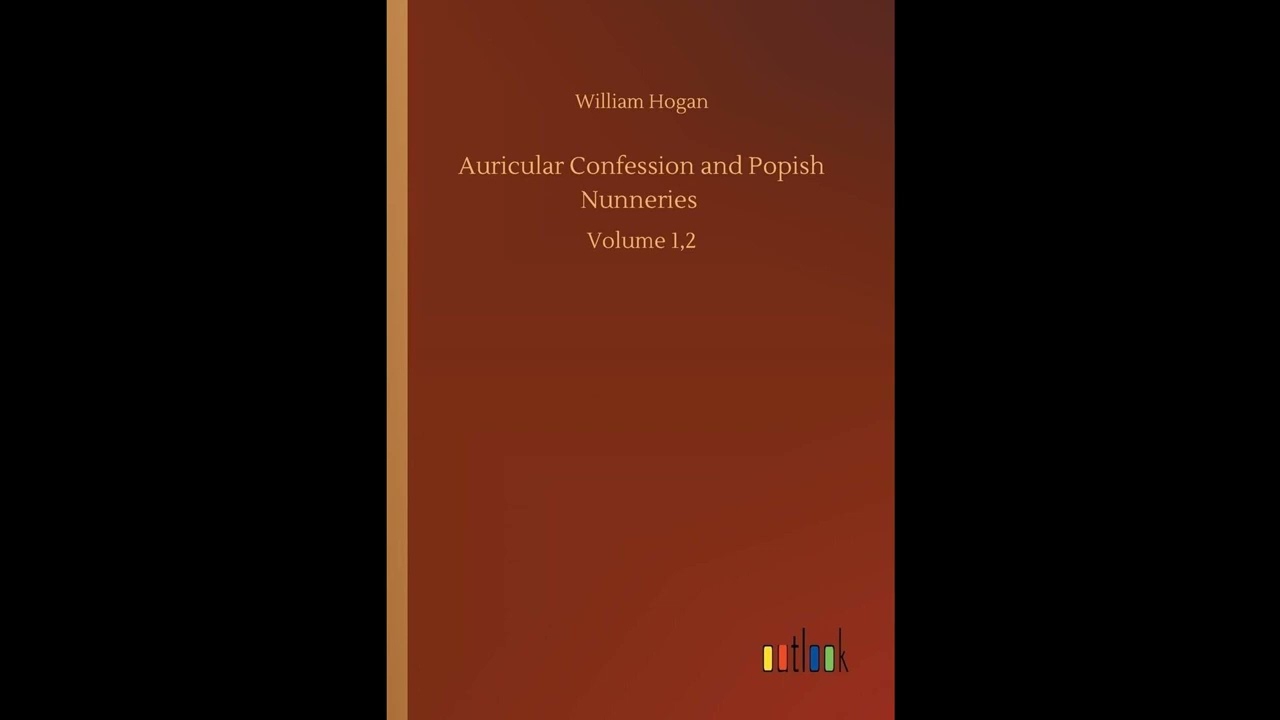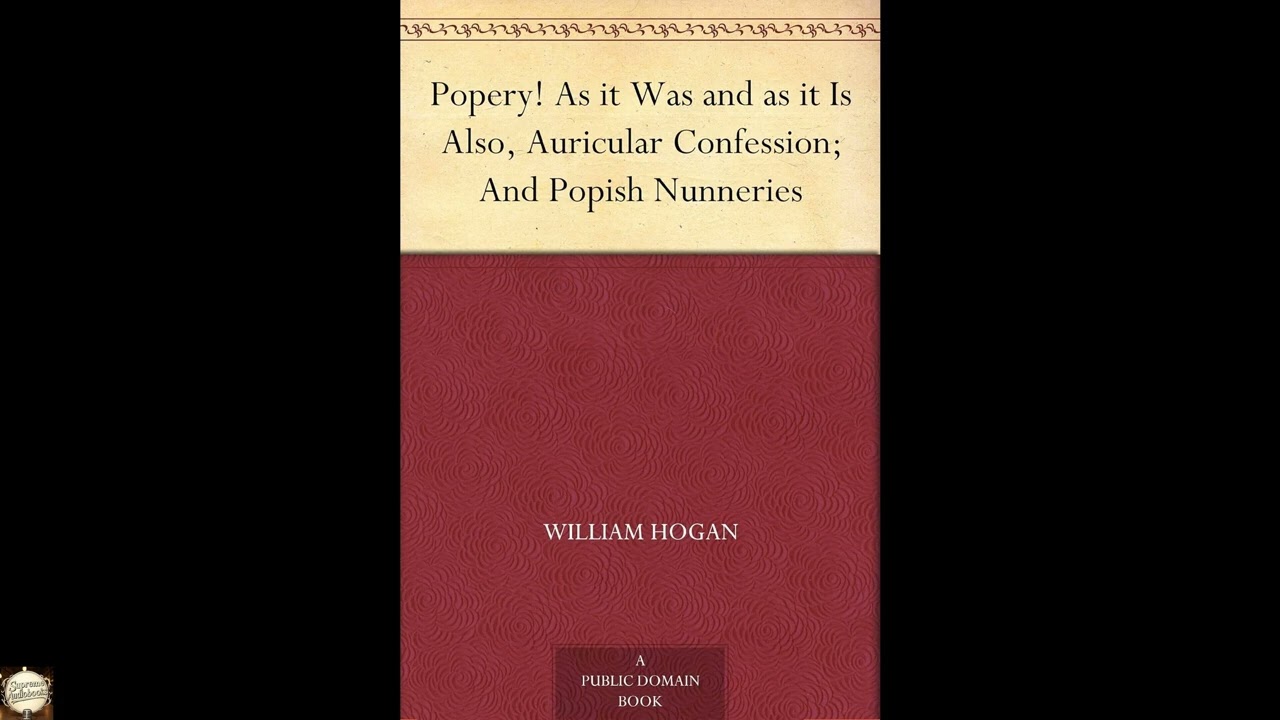
Popery! As it Was and as it Is Also, Auricular Confession; And Popish Nunneries
Step back into a time when religious conviction fueled public debate, when fundamental questions of faith and institutional power were fiercely contended in print and from the pulpit. Popery! As it Was and as it Is Also, Auricular Confession; And Popish Nunneries is not merely a book; it is a declaration, a passionate argument hurled into the ongoing battle of ideas surrounding the Catholic Church. This audiobook presents a direct and unvarnished account of what its unnamed author understood to be the dangers and corruptions of "Popery," as observed both through the lens of history and in the contemporary moment of its original publication. For listeners today, this work offers an unfiltered look into the anxieties, fears, and political motivations that shaped centuries of religious discourse, revealing how past controversies continue to echo, subtly, in modern social and political landscapes. It invites reflection on the nature of truth, belief, and the often-fraught relationship between different faith traditions. This text unfolds as a layered polemic, methodically dissecting what the author considered to be the fundamental errors and threats posed by the Catholic Church. The first, and perhaps broadest, segment, "Popery! As it Was and as it Is," establishes a historical narrative. It aims to demonstrate a continuous thread of perceived doctrinal and institutional corruption from the medieval period through to the author's own era. Here, the book likely catalogs historical events and papal decrees, presenting them as evidence of a system inherently inimical to true Christian faith and societal well-being. The author marshals these historical anecdotes and interpretations to construct a persuasive case against the enduring influence of what they term "Popery." Following this sweeping historical overview, the work narrows its focus to two specific Catholic practices that were frequent targets of Protestant critique: "Auricular Confession" and "Popish Nunneries." The section on auricular confession likely scrutinizes the sacrament of penance, particularly the private confession of sins to a priest. The author would probably raise concerns about the secrecy involved, the power it grants to the clergy, and its perceived psychological or moral effects on individuals. Similarly, the discussion of nunneries would delve into the monastic life of Catholic sisters, often painting a picture of isolation, coercion, and potentially immoral goings-on behind cloistered walls. These specific critiques serve as concrete illustrations of the broader "Popery" described in the initial section, aiming to show how core Catholic institutions posed a threat to individual liberty, social order, and Protestant values. The book’s persuasive arc intends to build a compelling argument, moving from a general historical indictment to specific, vivid examples of perceived harm. The author of this powerful and provocative text remains unknown to us, a common occurrence for polemical writings of its kind. In eras marked by intense religious and political fervor, anonymity often served as a shield, protecting writers from reprisal or allowing their arguments to be presented as the voice of collective conscience rather than individual opinion. This work, therefore, stands within a long and significant tradition of anonymous religious commentary, which gained particular prominence from the Reformation onward. Throughout the centuries, from Martin Luther's early broadsides to the English Civil War pamphlets and the fiery tracts of later periods, countless authors chose to let their arguments speak for themselves, unburdened by personal attribution. Such anonymous works were often published by dissenting groups or those advocating for social or religious reform, aiming to influence public opinion and rally support for their causes. The lack of a named author does not diminish its historical value; rather, it underscores the intensity of the period in which it was produced, highlighting a cultural landscape where ideas could be dangerous and convictions could carry serious consequences. This book is a product of its time, reflecting specific grievances and interpretations of religious history that resonated with a particular segment of society, shaping narratives around Catholicism for generations. At its core, Popery! enacts the theme of religious polemic and identity formation. It is not merely a theological debate but a forceful assertion of one religious identity by defining itself in opposition to another. For instance, the book's extensive historical review of "Popery" likely highlights events like the Inquisition or alleged persecutions, not just as historical facts but as arguments to cement a Protestant identity rooted in resistance to Catholic authority. Another central theme is the perceived corruption of power. The author frequently targets the institutional structures of the Catholic Church, particularly the hierarchy and its doctrines, suggesting that power vested in priests and the Pope leads to abuses. The critique of "Auricular Confession," for example, often centers on the potential for priests to exploit penitents, thereby illustrating how unchecked spiritual authority, in the author's view, corrupts both individuals and society. A third significant theme is moral purity and social order. The anxieties surrounding "Popish Nunneries" often reflected broader societal concerns about morality, transparency, and the role of women. The author's descriptions of these institutions, likely focusing on their perceived secrecy and separation from familial life, serve to argue that such practices undermine healthy social structures and moral accountability. These concrete examples of specific practices are presented as threats to the established moral fabric of the author’s society, directly linking religious practice to public welfare. These themes illustrate how religious differences were often framed not just as matters of faith, but as fundamental threats to civilization itself. This work likely emerged from a period of significant religious and cultural tension, possibly in the late eighteenth or nineteenth century, a time when anti-Catholic sentiment was still a potent force in many Protestant-majority nations. In both Great Britain and the United States, periods of increased Catholic immigration, the re-establishment of Catholic hierarchies, and debates over religious emancipation often fueled a resurgence of publications critical of Catholicism. The "As it Was and as it Is" phrasing suggests a conscious effort to connect historical grievances—stemming from the Reformation and earlier European conflicts—with contemporary anxieties about the growth or perceived threat of Catholicism in the author's own lifetime. During these eras, publications addressing "Popery" were not purely theological; they were deeply interwoven with political and social commentary. Fears about foreign influence, perceived challenges to national identity, and moral panic over specific Catholic practices like confession and monastic life often found expression in such texts. The specific focus on nunneries, for example, points to a common trope in anti-Catholic literature of the time, often featuring sensationalized narratives about cloistered women, designed to both titillate and warn against the perceived dangers of Catholic institutions. The book, therefore, exists as a crucial historical artifact, revealing the intellectual and emotional landscape of a society grappling with religious pluralism and sectarian anxieties. To experience Popery! As it Was and as it Is Also, Auricular Confession; And Popish Nunneries as an audiobook offers a singular opportunity to engage directly with the forceful rhetoric of a historical polemic. The several hours of spoken word allow the arguments to unfold at a natural pace, giving listeners the space to consider the nuances of the author's passionate stance. Listen for the narrator's interpretation of the text, particularly how they convey the conviction and earnestness of the original writer. Does the voice reflect a tone of warning, of righteous indignation, or of reasoned critique? The delivery of historical anecdotes and specific theological condemnations can shape the listener's understanding of the original intent. The spoken word brings a different kind of immediacy to what might otherwise be dense historical argument, allowing the atmosphere of fervent debate to come alive. It is an experience that immerses you in the powerful, often stark, language of historical religious controversy.
Enjoyed Popery! As it Was and as it Is Also, Auricular Confession; And Popish Nunneries? A few ways to support us
Audible & Amazon links are affiliate; we may earn a small commission at no extra cost.
About this production
Human narration by a volunteer reader from LibriVox.org, the public-domain audiobook project. LibriVox volunteers record literary works whose copyright has expired in the United States, releasing the resulting recordings into the public domain.
Popery! As it Was and as it Is Also, Auricular Confession; And Popish Nunneries by William Hogan. The underlying text is in the U.S. public domain. We do not republish any modern copyrighted edition, translation, or commentary.
The 4K cinematic visuals accompanying this audiobook are generated by an AI image model from prompts derived from the source text. No copyrighted photos, paintings, or stock footage are used. AI generation is disclosed on every video on our YouTube channel as required by YouTube's altered/synthetic content policy.
English subtitles are transcribed from the LibriVox recording with OpenAI Whisper. Translations into the 11 other supported languages are produced by Meta's NLLB-200 neural translation model. No human translator's copyrighted translation is used.
Questions about sourcing or rights? See our DMCA & Sourcing policy or contact us.
Enjoyed this audiobook?
If you'd like to own a copy of Popery! As it Was and as it Is Also, Auricular Confession; And Popish Nunneries or hear a professionally produced edition, the links below help support free audiobook production at no extra cost to you.
As an Amazon Associate we earn from qualifying purchases. Audible / print links are affiliate.