Morning Bells or Waking Thoughts for the Little Ones
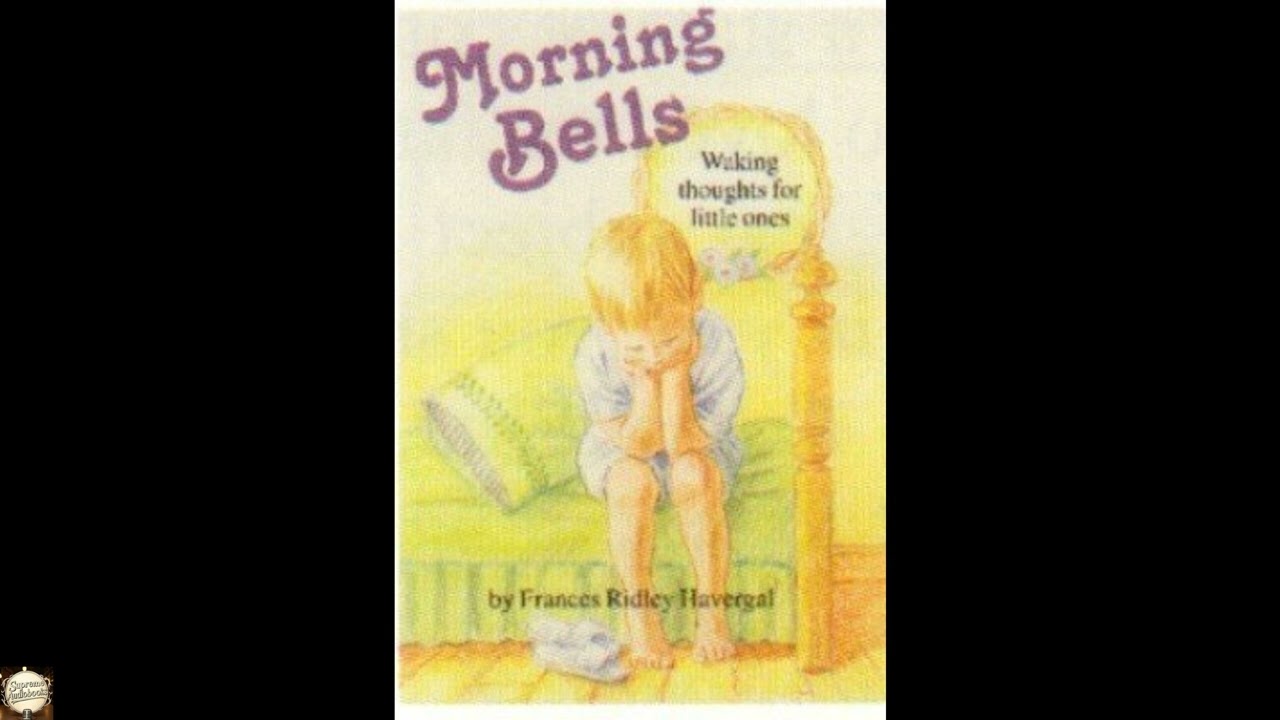
Imagine a quiet start to your day, perhaps with the soft chime of a bell, signaling not the rush of activity, but a moment for gentle reflection. This is the spirit captured in Morning Bells or Waking Thoughts for the Little Ones, a cherished collection from the pen of Frances Ridley Havergal. Far from being a relic of a bygone era, this volume offers a timeless invitation to children, and indeed to listeners of all ages, to pause and consider simple truths, moral lessons, and spiritual insights as each new day begins. It speaks to the enduring human need for guidance, comfort, and a framework for understanding the world, presented with a tender wisdom that remains deeply resonant even now. This is not a story with a bustling plot or dramatic twists, but rather a sequence of introspective moments, like stepping stones laid out for a thoughtful walk. Havergal structures her book as a series of short, accessible meditations, each designed for a specific day—a "waking thought" to accompany the rising sun. The setting is less a physical place and more a state of mind: the quiet corner of a child's bedroom, the breakfast table before the day's tasks begin, or any moment where a young heart seeks understanding. The "main character" is the child themselves, addressed directly and affectionately by the author, as they are guided through a gentle examination of their actions, feelings, and the world around them. The central "conflict" isn't external, but internal: the daily process of a child learning to navigate their conscience, understand right from wrong, and grow in kindness and faith. Each brief entry presents a small truth, sometimes illustrated with an image from nature or a simple scenario, fostering virtues such as obedience, honesty, gratitude, and compassion. The arc of the "story," then, is the steady, gradual development of character and spirit, as the child is encouraged to carry these morning thoughts into their day, transforming abstract concepts into practical living. There is no grand finale or sudden revelation, but rather the quiet satisfaction of incremental growth, like a garden tended with care, yielding its fruits little by little. The author, Frances Ridley Havergal, was a remarkable figure whose life, though relatively short, left an indelible mark on English devotional literature and hymnody. Born in 1836 in Astley, Worcestershire, England, she was the daughter of an Anglican clergyman and hymn writer, William Henry Havergal, and inherited a profound spiritual sensibility and considerable literary talent. From an early age, she exhibited extraordinary gifts in languages, music, and poetry, mastering several languages and composing intricate melodies. Havergal dedicated her life to her faith, translating her deep convictions into a prolific body of work that included numerous poems, hymns, and prose pieces for both adults and children. She is perhaps best known today for her enduring hymns, which continue to be sung in churches worldwide. Iconic compositions such as "Take My Life, and Let It Be," "Like a River Glorious," and "I Am Trusting Thee, Lord Jesus" showcase her fervent faith and poetic skill. Havergal's place in the canon is primarily within the tradition of Victorian evangelical Anglicanism, where she stood as a prominent voice of piety and commitment. Her writings often reflect the pietistic fervor of her era, emphasizing personal conversion, holiness, and the practical application of Christian principles to daily life. Despite periods of ill health, she remained a prolific writer until her death in 1879, leaving a legacy of spiritual encouragement and artistic excellence. At its heart, Morning Bells enacts several profound themes. One primary theme is the cultivation of daily spiritual discipline. Each small reflection serves as a model for children to begin their day with purpose and quiet thought, establishing a habit of reflection and prayer. For instance, a morning thought might gently nudge a child to consider a small act of kindness they can perform, preparing their heart to face the day with generosity. Another significant theme is childhood innocence and moral instruction. The book addresses children directly, honoring their capacity for understanding while providing moral guidance in a tender, accessible language. It aims to instill virtues such as obedience, truthfulness, and humility, not through stern admonition, but through loving encouragement, perhaps comparing a child's eager heart to a fertile field ready to receive good seeds. Furthermore, Havergal frequently uses nature as a vehicle for spiritual revelation. Just as the "morning bells" evoke the dawn, many entries draw parallels between natural phenomena—the rising sun, the blooming flower, the chirping bird—and divine truths or moral principles. A passage might reflect on the reliability of the morning light as an analogue for God's steadfastness, making abstract concepts concrete for young minds. Finally, the book underscores trust and dependence on a higher power. It consistently reminds children of a loving, watchful presence, encouraging them to place their trust in divine care and to live in obedience to moral teachings, framing these acts as pathways to peace and joy. This work emerged from a specific cultural moment in the latter half of the nineteenth century, a period deeply shaped by Victorian values and sensibilities in Britain. It was an era that placed immense importance on the moral and spiritual upbringing of children, viewing childhood as a crucial time for character formation. The flourishing of Sunday School movements and the growing demand for didactic and devotional literature for young audiences created a fertile ground for books like Morning Bells. The period also saw a widespread evangelical revival, which emphasized personal piety, scriptural literacy, and the practical application of faith in everyday life. Havergal’s book stands as a testament to these prevailing currents. It speaks to a cultural desire to provide children with a structured, gentle, and consistent framework for moral and spiritual development within the home. The domestic sphere was considered paramount for nurturing young souls, and texts such as this offered parents and educators valuable tools for instilling virtues and fostering faith in an accessible, digestible format. It was part of a broader literary trend that sought to blend instruction with inspiration, ensuring that literature for children was not only entertaining but also formative. Listening to Morning Bells as an audiobook transforms it from a quiet read into a comforting, spoken experience. The very nature of this work—short, reflective passages designed for daily contemplation—lends itself beautifully to auditory engagement. A thoughtful narration, delivered with warmth and a gentle cadence, allows the listener to fully absorb each "waking thought" without the visual demands of reading. The pacing naturally becomes reflective, giving each short piece room to settle in the mind. The absence of traditional dialogue means the narrator's voice becomes the guiding presence, a soothing companion offering encouragement and wisdom. This format is ideal for listening during morning routines, quiet moments before sleep, or even as a calming presence during travel, allowing the words to become a personal, introspective meditation.
Enjoyed Morning Bells or Waking Thoughts for the Little Ones? A few ways to support us
Audible & Amazon links are affiliate; we may earn a small commission at no extra cost.
About this production
Human narration by a volunteer reader from LibriVox.org, the public-domain audiobook project. LibriVox volunteers record literary works whose copyright has expired in the United States, releasing the resulting recordings into the public domain.
Morning Bells or Waking Thoughts for the Little Ones by Frances Ridley Havergal. The underlying text is in the U.S. public domain. We do not republish any modern copyrighted edition, translation, or commentary.
The 4K cinematic visuals accompanying this audiobook are generated by an AI image model from prompts derived from the source text. No copyrighted photos, paintings, or stock footage are used. AI generation is disclosed on every video on our YouTube channel as required by YouTube's altered/synthetic content policy.
English subtitles are transcribed from the LibriVox recording with OpenAI Whisper. Translations into the 11 other supported languages are produced by Meta's NLLB-200 neural translation model. No human translator's copyrighted translation is used.
Questions about sourcing or rights? See our DMCA & Sourcing policy or contact us.
Enjoyed this audiobook?
If you'd like to own a copy of Morning Bells or Waking Thoughts for the Little Ones or hear a professionally produced edition, the links below help support free audiobook production at no extra cost to you.
As an Amazon Associate we earn from qualifying purchases. Audible / print links are affiliate.