Master and Man
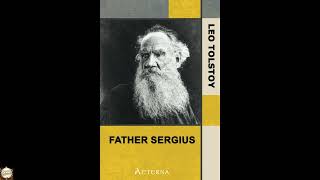
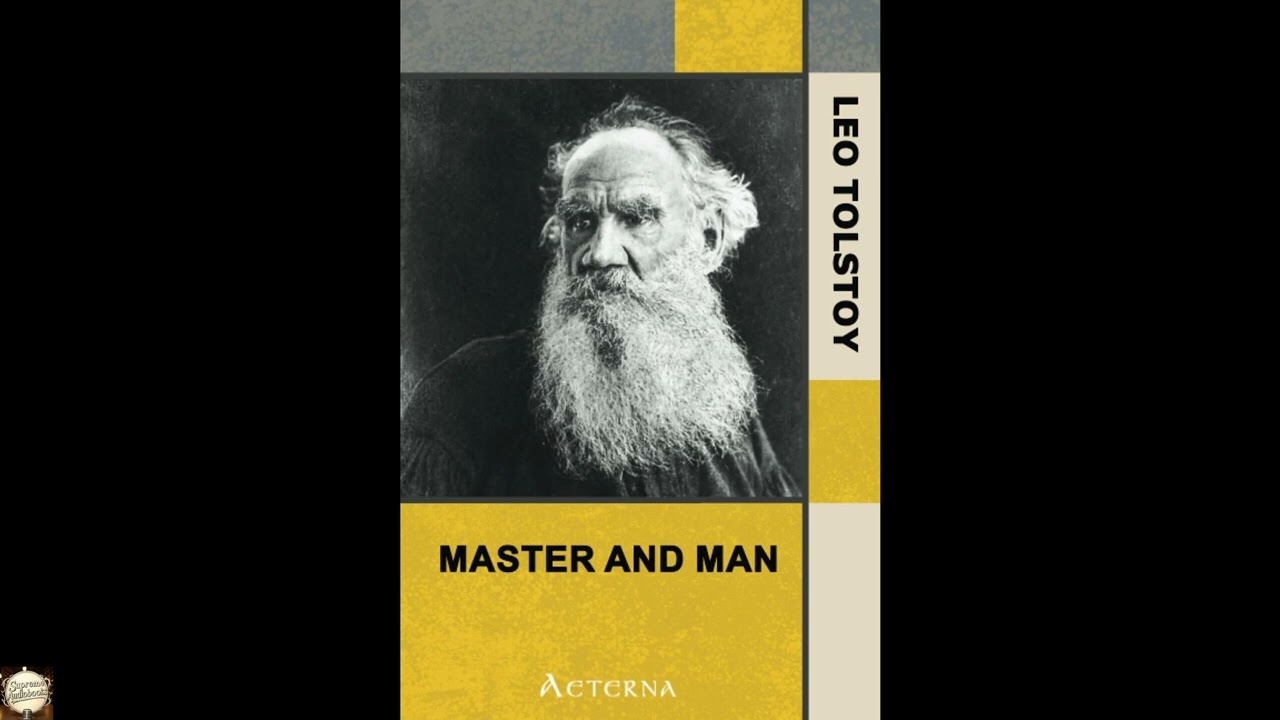
A biting Russian winter, a desperate dash for a good deal, and the stark reality of human nature laid bare against the indifferent elements—this is the chilling premise of Leo Tolstoy's novella, "Master and Man." Though written in the late nineteenth century, its central questions about wealth, class, and the true measure of a man's life resonate with startling clarity today. It asks us to consider what we truly value when faced with the ultimate test, and whether compassion can ultimately override the deepest-seated self-interest. This is a story that strips away pretense, forcing a confrontation with one's own mortality and moral compass, making it as relevant now as it was at its publication. The story unfolds in the vast, unforgiving expanses of rural Russia during a brutal snowstorm. Vasily Andreevich Brekhunov, a prosperous and self-serving merchant, is consumed by the prospect of acquiring a coveted patch of forest. Despite the grave warnings about the worsening weather, his avarice drives him to set out on a sled with his meek, long-suffering peasant servant, Nikita. Their destination is a distant village where Vasily hopes to close the land deal before another buyer can intervene. From the outset, the power dynamic is clear: Vasily issues commands and calculates profits, while Nikita, a man of quiet piety and simple needs, endures the hardships with a patient resignation born of a lifetime of service. As the snow thickens and the wind howls, their journey quickly devolves into a desperate struggle for survival. They lose their way, disoriented by the whiteout conditions and Vasily's stubborn refusal to admit he is lost. The horse, an unwitting participant in their folly, labors through ever-deepening drifts. Exhaustion, cold, and a growing sense of dread begin to chip away at Vasily's customary self-assurance, forcing both men to confront not just the dangers of the natural world, but the inner landscape of their own souls. The narrative builds a palpable sense of isolation and peril, pushing the characters to their breaking points as the freezing night descends upon them. Leo graf Tolstoy, born in 1828 to an aristocratic Russian family, led a life as sprawling and complex as his monumental novels. His early years were marked by military service, including combat during the Crimean War, which informed his realistic portrayals of warfare. Following this period, he returned to his estate at Yasnaya Polyana, where he largely dedicated himself to writing and educational reforms for his peasants. His literary output includes some of the most enduring works of world literature, such as "War and Peace," a sweeping historical novel encompassing Napoleon's invasion of Russia, and "Anna Karenina," a poignant study of love, society, and adultery in Imperial Russia. Later in life, Tolstoy underwent a profound spiritual crisis, leading him to a radical embrace of Christian anarchism and a rejection of the established church and state. He became a fervent advocate for non-violence and simple living, criticizing wealth and social inequality. This spiritual transformation profoundly influenced his later writings, which often took on a more overtly moral and philosophical tone, frequently using parables and shorter narratives to convey his ideas. "Master and Man" belongs to this later period, showcasing his continued preoccupation with ethical questions and the search for authentic human connection beyond material pursuits. His influence on social thought and literature remains immense, positioning him as a towering figure of nineteenth-century realism and moral philosophy. At its core, "Master and Man" enacts several profound themes. One of the most prominent is the stark contrast between material greed and genuine human compassion. Vasily Andreevich initially embodies pure self-interest, fixated solely on his potential profits, even when it means risking the lives of himself and his servant. For instance, he repeatedly prioritizes saving his horse, a valuable asset, over ensuring Nikita's warmth and comfort. However, as the storm intensifies and death looms, his perspective undergoes a dramatic shift. Another central theme is the nature of social class and duty. Nikita, the peasant, unquestioningly accepts his subservient role, performing his duties without complaint, even as Vasily's actions endanger them both. His quiet faith and practical skills become their only hope, illustrating the often-overlooked resilience and wisdom of those at the bottom of the social hierarchy. The story also powerfully addresses the theme of mortality and spiritual awakening. Confronted by the undeniable certainty of death, Vasily's lifetime of accumulated wealth and status loses all meaning. In a pivotal moment, he is forced to confront his own smallness against the vastness of nature and the imminent end of his earthly existence. This leads him to an unexpected act of self-sacrifice, illustrating the transformative power of facing one's own end. Finally, the novella highlights nature's indifference and overwhelming power. The relentless snowstorm is not merely a backdrop but an active force, a character in itself, testing the limits of human endurance and stripping away all societal artifice to reveal the naked truth of existence. The publication of "Master and Man" in 1895 arrived during a period of significant social and intellectual ferment in Russia. The reforms initiated with the abolition of serfdom in 1861 had ushered in an era of rapid change, giving rise to new social classes, economic challenges, and ideological debates. Tolstoy's later work often reflected a deep concern for the plight of the common people and a critique of the growing materialism and spiritual emptiness he perceived in modern society. This novella, like many of his shorter pieces from this era, was part of his conscious effort to write accessible stories that conveyed moral and religious truths directly to a wide audience, moving away from the complex narratives of his earlier novels towards a simpler, more direct form of storytelling that he believed held greater spiritual value. It emerged from his deeply held convictions about the necessity of love, humility, and self-sacrifice. Listening to "Master and Man" as an audiobook offers a particularly immersive experience. The chilling atmosphere of the Russian winter, the biting wind, and the crunch of snow under the sled are all rendered more vivid through skilled narration. The dialogue between the imperious master and the resigned servant takes on additional layers of meaning when voiced, allowing the listener to fully appreciate the subtle shifts in tone and character. The story's pacing, which begins with a sense of urgency and gradually slows into a desperate, almost hallucinatory crawl through the blizzard, is especially impactful when delivered through a narrator's command of rhythm and pauses. The internal monologues and descriptions of the characters' thoughts and physical sensations become immediate, drawing listeners into the desperate struggle and the profound moral transformation that lies at its heart. This relatively short length of several hours makes it an ideal choice for a concentrated, emotionally powerful listening session.
Enjoyed Master and Man? A few ways to support us
Audible & Amazon links are affiliate; we may earn a small commission at no extra cost.
About this production
Human narration by a volunteer reader from LibriVox.org, the public-domain audiobook project. LibriVox volunteers record literary works whose copyright has expired in the United States, releasing the resulting recordings into the public domain.
Master and Man by Leo graf Tolstoy. The underlying text is in the U.S. public domain. We do not republish any modern copyrighted edition, translation, or commentary.
The 4K cinematic visuals accompanying this audiobook are generated by an AI image model from prompts derived from the source text. No copyrighted photos, paintings, or stock footage are used. AI generation is disclosed on every video on our YouTube channel as required by YouTube's altered/synthetic content policy.
English subtitles are transcribed from the LibriVox recording with OpenAI Whisper. Translations into the 11 other supported languages are produced by Meta's NLLB-200 neural translation model. No human translator's copyrighted translation is used.
Questions about sourcing or rights? See our DMCA & Sourcing policy or contact us.
Enjoyed this audiobook?
If you'd like to own a copy of Master and Man or hear a professionally produced edition, the links below help support free audiobook production at no extra cost to you.
As an Amazon Associate we earn from qualifying purchases. Audible / print links are affiliate.