Father Sergius
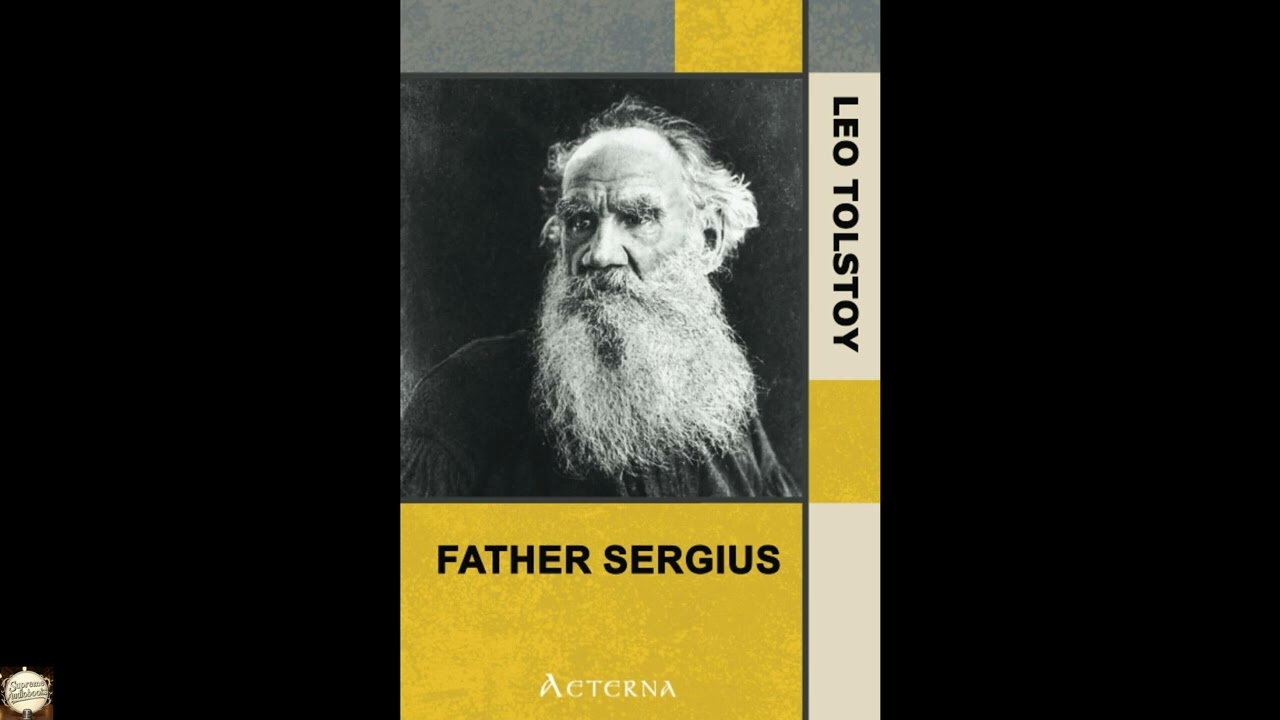
Leo Tolstoy's Father Sergius presents a stark, unblinking examination of faith, hypocrisy, and the relentless human struggle for spiritual truth. This powerful novella, though concise, resonates with an enduring urgency, asking what truly constitutes a life of devotion and what dangers lie hidden in even the most fervent piety. It forces us to confront our own motives, our pride, and the often-deceptive nature of outward appearances when measured against the rigorous demands of the soul. For anyone who has questioned the authenticity of their beliefs or the path they have chosen, this story offers both a chilling caution and a profound, if challenging, glimpse into the heart of human aspiration and its often-painful unraveling. It is a story about a man's desperate pursuit of God, and the unexpected places where he finds—or fails to find—true meaning. The narrative opens in the glittering ballrooms of 19th-century Russia, introducing Prince Stepan Kasatsky, a brilliant, handsome, and highly ambitious young officer. He is on the cusp of a prestigious marriage, admired by all for his intellect and promise. However, a sudden, devastating revelation about his fiancée shatters his world and ignites within him a profound disillusionment with society's superficial values. In a dramatic act of renunciation, Stepan abandons his worldly life, breaking off his engagement and seeking refuge in a monastery, convinced that only a life of asceticism can provide genuine purpose. He becomes Father Sergius, a monk dedicated to extreme piety, self-denial, and a fervent pursuit of spiritual perfection. His reputation for holiness quickly grows, attracting pilgrims and admirers seeking his wisdom and blessings. Yet, beneath the cowl and the outward show of sanctity, Sergius grapples with an internal battlefield of pride, self-righteousness, and the persistent temptations of the flesh. As his fame expands, so too do the trials to his spirit. Women, drawn by his austere beauty and spiritual aura, present various forms of temptation. One particularly dramatic encounter sees him resort to an extreme act of self-mutilation to resist the seductive advances of a dissolute woman named Makovkina. Even after this victory, which further cements his legendary status, Sergius finds himself increasingly tormented not by lust, but by the insidious pride in his own spiritual achievements. He becomes aware of the subtle, corrosive pleasure he derives from the adoration of others, from his perceived sanctity, and from the very difficulty of his chosen path. The novella follows Sergius through years of this internal conflict, living as a revered hermit, performing what appear to be miracles, all while wrestling with the growing chasm between his public image and the turbulent reality of his soul. His quest is not merely to escape worldly sin, but to truly humble himself, to find authentic grace beyond the ego's grasp. Leo Nikolaevich Tolstoy (1828-1910) remains one of the titans of world literature, a figure whose life was as dramatic and influential as his fiction. Born into an aristocratic Russian family at Yasnaya Polyana, his early years were marked by privilege, gambling, and military service, including his time as an artillery officer during the Crimean War. However, these experiences eventually gave way to a profound spiritual and moral awakening. From the 1870s onward, Tolstoy underwent a radical transformation, renouncing his vast wealth and seeking a life of Christian anarchism, pacifism, and simple living, often to the dismay of his family and the Russian Orthodox Church, which eventually excommunicated him. His literary output before and during this period was monumental. He gave the world War and Peace, an expansive historical novel often considered one of the greatest novels ever written, depicting the Napoleonic era through the lives of several aristocratic families. He followed this with Anna Karenina, a tragic romance set against the backdrop of Russian society, scrutinizing themes of adultery, social hypocrisy, and spiritual longing. Later works like The Death of Ivan Ilyich and Resurrection continued his relentless moral inquiry, critiquing societal injustice and spiritual emptiness. Tolstoy's unique blend of psychological realism, moral philosophy, and a deep understanding of the human condition cemented his place as a central figure in 19th-century Russian literature and a moral conscience for generations worldwide. His later years were dedicated to articulating his philosophical and religious beliefs, which profoundly influenced figures like Mahatma Gandhi and Martin Luther King Jr. Father Sergius enacts several profound themes. One primary concern is the distinction between hypocrisy and true faith. Sergius, despite his rigorous asceticism, often finds himself caught in the snare of spiritual pride. His outward acts of piety—fasting, prayer, resisting temptation—become sources of self-congratulation rather than genuine humility. We witness him deriving satisfaction from the adoration of pilgrims, from the perceived strength of his will, which subtly corrupts his spiritual efforts. This contrasts sharply with the quiet, uncelebrated acts of kindness and true self-forgetfulness that Tolstoy suggests are the hallmarks of authentic devotion. Another key theme is asceticism and temptation. The novella illustrates that withdrawing from the world does not automatically eliminate temptation; instead, it often intensifies the internal battle. Sergius's struggle is not just against the flesh, as vividly shown in his encounter with Makovkina, but also against the more insidious temptations of vainglory and self-exaltation that persist even in the most isolated hermitage. Tolstoy also confronts the nature of love and purity. Sergius’s initial renunciation of marriage, while rooted in disillusionment, also reflects a narrow understanding of human connection and divine love. His interactions with women, even the young girl Maria near the story’s end, are often filtered through a lens of fear or spiritual pride, showing his difficulty in truly connecting with others in a selfless, loving way. The story suggests that true purity isn't merely the absence of carnal sin, but a state of loving humility that embraces rather than rejects humanity. Finally, the novella scrutinizes the danger of social recognition versus spiritual truth. Sergius becomes a "holy man" in the eyes of the world, a celebrated ascetic whose fame ironically draws him further away from the quiet self-annihilation he truly seeks. His spiritual struggle becomes a public spectacle, and the very veneration he receives becomes a barrier to genuine spiritual progress, demonstrating how external validation can undermine internal sincerity. Father Sergius was largely written by Tolstoy in the 1890s, though it was published posthumously in 1911. This period marked the height of Tolstoy's profound spiritual crisis and his increasingly radical critiques of Russian society, the Orthodox Church, and the established social order. Culturally, Russia was undergoing significant change, grappling with industrialization, a growing intelligentsia, and debates about faith and morality in a rapidly modernizing world. Tolstoy's disillusionment with institutionalized religion and his search for a purer, more direct form of Christianity were central to his philosophy at this time. The novella reflects his deep concern with the hypocrisy he perceived within the church and among those who claimed piety, especially the aristocracy. It emerged from his desire to strip away superficial religiosity and examine what true Christian living—characterized by humility, self-sacrifice, and genuine love for one's neighbor—might actually entail, often in stark contrast to popular notions of sainthood. It was a product of a writer grappling with the meaning of his own existence and using his art to challenge the prevailing moral complacency of his era. Listening to Father Sergius as an audiobook offers a unique opportunity to immerse oneself directly in the intense psychological landscape Tolstoy creates. The story's focus on internal struggle, spiritual torment, and moments of profound revelation makes it particularly suited to the spoken word. A skilled narrator can convey the shifts in Sergius's emotional state, from his initial pride and ambition to his monastic zeal, his harrowing battles with temptation, and his eventual, deeper understanding of humility. The run length of several hours allows for a focused, yet unhurried absorption of the narrative, enabling listeners to truly sit with Sergius's ethical quandaries. Pay close attention to the pacing, which often mirrors the quiet, introspective life of a monastic, punctuated by moments of intense psychological drama. The voice work will be crucial in differentiating Sergius's internal monologues from his rare, impactful dialogues, and in capturing the subtle atmosphere of both the glittering social world he abandons and the austere, isolating world he embraces. It allows the listener to become a direct confidant to Sergius's deepest struggles, experiencing his quest for meaning with an immediacy that print alone cannot fully replicate.
Enjoyed Father Sergius? A few ways to support us
Audible & Amazon links are affiliate; we may earn a small commission at no extra cost.
About this production
Human narration by a volunteer reader from LibriVox.org, the public-domain audiobook project. LibriVox volunteers record literary works whose copyright has expired in the United States, releasing the resulting recordings into the public domain.
Father Sergius by Leo graf Tolstoy. The underlying text is in the U.S. public domain. We do not republish any modern copyrighted edition, translation, or commentary.
The 4K cinematic visuals accompanying this audiobook are generated by an AI image model from prompts derived from the source text. No copyrighted photos, paintings, or stock footage are used. AI generation is disclosed on every video on our YouTube channel as required by YouTube's altered/synthetic content policy.
English subtitles are transcribed from the LibriVox recording with OpenAI Whisper. Translations into the 11 other supported languages are produced by Meta's NLLB-200 neural translation model. No human translator's copyrighted translation is used.
Questions about sourcing or rights? See our DMCA & Sourcing policy or contact us.
View 10 famous quotes from this book →
Enjoyed this audiobook?
If you'd like to own a copy of Father Sergius or hear a professionally produced edition, the links below help support free audiobook production at no extra cost to you.
As an Amazon Associate we earn from qualifying purchases. Audible / print links are affiliate.