Marcy, The Refugee
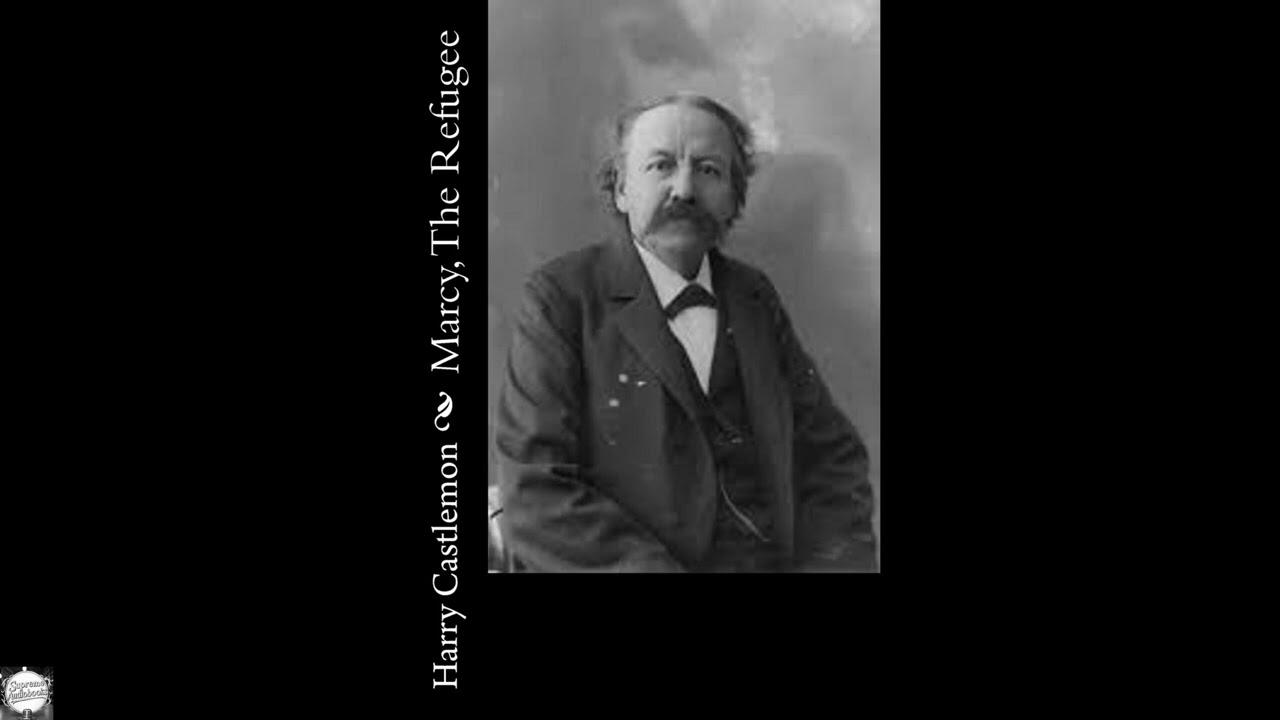
The American literary landscape of the late nineteenth century produced a unique strain of narrative, often aimed at young readers, that nonetheless resonated with universal themes of perseverance and the search for belonging. Marcy, The Refugee, from the pen of Harry Castlemon, stands as a vivid testament to this era, offering a poignant look at displacement and resilience through the eyes of a young protagonist. Listeners today will find its depiction of hardship, the unwavering human spirit, and the kindness (and cruelty) of strangers remarkably resonant, reflecting an ongoing human experience of seeking sanctuary and rebuilding a life amidst turmoil. It reminds us that while the specific circumstances of refuge may change with time, the fundamental challenges and triumphs remain strikingly familiar. The story opens in the unsettled territories of the American West, not long after the conclusion of the Civil War. We meet Marcy, a girl on the cusp of adolescence, whose life is abruptly upended by a sudden, devastating frontier conflict that leaves her orphaned and alone. Her family home, a small cabin on the edge of a budding settlement, is destroyed, forcing Marcy to flee into the vast, unforgiving wilderness with little more than the clothes on her back and a determination to survive. Her immediate goal is to reach a rumored distant relative in a more established town, a perilous undertaking across miles of untamed land populated by both natural dangers and unpredictable human elements. Marcy's desperate flight forms the core of the narrative. She faces hunger, exposure to the elements, and the constant threat of wild animals. More significantly, she encounters a range of characters — a grizzled prospector whose gruff exterior hides a compassionate heart, a cynical trapper who offers a grudging hand, and even a group of homesteaders whose fear of outsiders casts a long shadow. Each encounter tests Marcy's wit, her courage, and her burgeoning understanding of the complex world beyond her lost home. The story carefully follows her resourcefulness as she learns to forage, to track, and to discern friend from foe, all while clinging to the hope of finding a new place to call home and a sense of safety she has desperately lost. Harry Castlemon, born Charles Austin Fosdick in 1842, cemented his reputation as one of the most prolific and popular authors of juvenile fiction in America during the latter half of the nineteenth century. A native of Fredonia, New York, Castlemon’s life was marked by an early interest in literature and a brief stint as a naval officer during the Civil War, an experience that undoubtedly shaped his understanding of conflict and human courage. After the war, he turned his full attention to writing, adopting the pseudonym “Harry Castlemon” and quickly becoming a household name among young readers. Castlemon's bibliography is extensive, comprising over seventy books, many of which were serialized in popular periodicals before being published in novel form. His most enduring series, including the Frank Nelson stories and the Gunboat Series, often featured adventurous young boys navigating the American frontier, engaging in daring exploits, and learning moral lessons. His stories, while sometimes reflecting the prevailing attitudes of his time regarding race and manifest destiny, were celebrated for their fast-paced plots, vivid descriptions of nature, and emphasis on bravery, honesty, and self-reliance. He held a significant place in the literary landscape, bridging the gap between earlier didactic children's literature and the emerging genre of pure adventure storytelling, paving the way for authors like Zane Grey and Jack London. He passed away in 1910, leaving behind a legacy of stories that defined an era of youthful American imagination. Marcy, The Refugee enacts several powerful themes that continue to hold relevance. One central theme is undoubtedly resilience. Marcy’s steadfast refusal to succumb to despair, even when faced with overwhelming odds—such as a near-starvation experience after losing her meager supplies in a river crossing—highlights the enduring strength of the human spirit. Another key theme is the nature of home and belonging. Marcy’s journey isn't just a physical one; it's a profound search for a new place where she can feel safe and accepted, a desire powerfully conveyed when she hesitates before entering a bustling frontier town, uncertain if it will offer solace or further danger. The book also addresses human connection and isolation. Early in her flight, Marcy experiences the profound loneliness of being utterly alone in a vast wilderness. This solitude is then contrasted with moments of unexpected kindness, like when an elderly, reclusive woman, initially suspicious, offers Marcy a warm meal and a night's rest, demonstrating that empathy can emerge in the most unlikely places. Finally, the story touches on the loss of innocence and the process of maturation. Marcy begins as a protected child, but her trials force her to confront harsh realities, making difficult decisions and developing a keen sense of observation and self-reliance that transforms her into a capable young woman far beyond her years. The late nineteenth century was a period of immense change and expansion in the United States, and Marcy, The Refugee emerges from this crucible of national transformation. The country was still grappling with the lingering aftershocks of the Civil War, which had displaced countless families and left many regions economically devastated. Simultaneously, the push westward continued, drawing settlers, adventurers, and those seeking new beginnings into often harsh and undeveloped territories. Literature of the era, particularly for young people, often reflected these anxieties and aspirations, offering tales of survival, moral uprightness, and the conquest of the wilderness. Castlemon’s work, including this narrative, capitalized on the public's fascination with frontier life, presenting stories that affirmed prevailing values while also acknowledging the stark realities of that challenging environment. To hear Marcy, The Refugee brought to life as an audiobook on supremeaudiobooks.com offers a uniquely immersive experience. The several hours of narration allow listeners to truly settle into Marcy's world, feeling the vastness of the landscapes she traverses and the quiet tension of her solitary encounters. A skilled narrator can modulate their voice to convey Marcy's youthful determination, the gruff benevolence of her allies, or the wary suspicion of strangers, deepening the emotional resonance of each scene. The pacing of the story, with its blend of suspenseful survival sequences and reflective moments, translates exceptionally well to the audio format, inviting listeners to walk alongside Marcy, experiencing her trials and triumphs firsthand. It’s an opportunity to connect with a foundational American story in a way that feels both immediate and deeply personal.
Enjoyed Marcy, The Refugee? A few ways to support us
Audible & Amazon links are affiliate; we may earn a small commission at no extra cost.
About this production
Human narration by a volunteer reader from LibriVox.org, the public-domain audiobook project. LibriVox volunteers record literary works whose copyright has expired in the United States, releasing the resulting recordings into the public domain.
Marcy, The Refugee by Harry Castlemon. The underlying text is in the U.S. public domain. We do not republish any modern copyrighted edition, translation, or commentary.
The 4K cinematic visuals accompanying this audiobook are generated by an AI image model from prompts derived from the source text. No copyrighted photos, paintings, or stock footage are used. AI generation is disclosed on every video on our YouTube channel as required by YouTube's altered/synthetic content policy.
English subtitles are transcribed from the LibriVox recording with OpenAI Whisper. Translations into the 11 other supported languages are produced by Meta's NLLB-200 neural translation model. No human translator's copyrighted translation is used.
Questions about sourcing or rights? See our DMCA & Sourcing policy or contact us.
Enjoyed this audiobook?
If you'd like to own a copy of Marcy, The Refugee or hear a professionally produced edition, the links below help support free audiobook production at no extra cost to you.
As an Amazon Associate we earn from qualifying purchases. Audible / print links are affiliate.