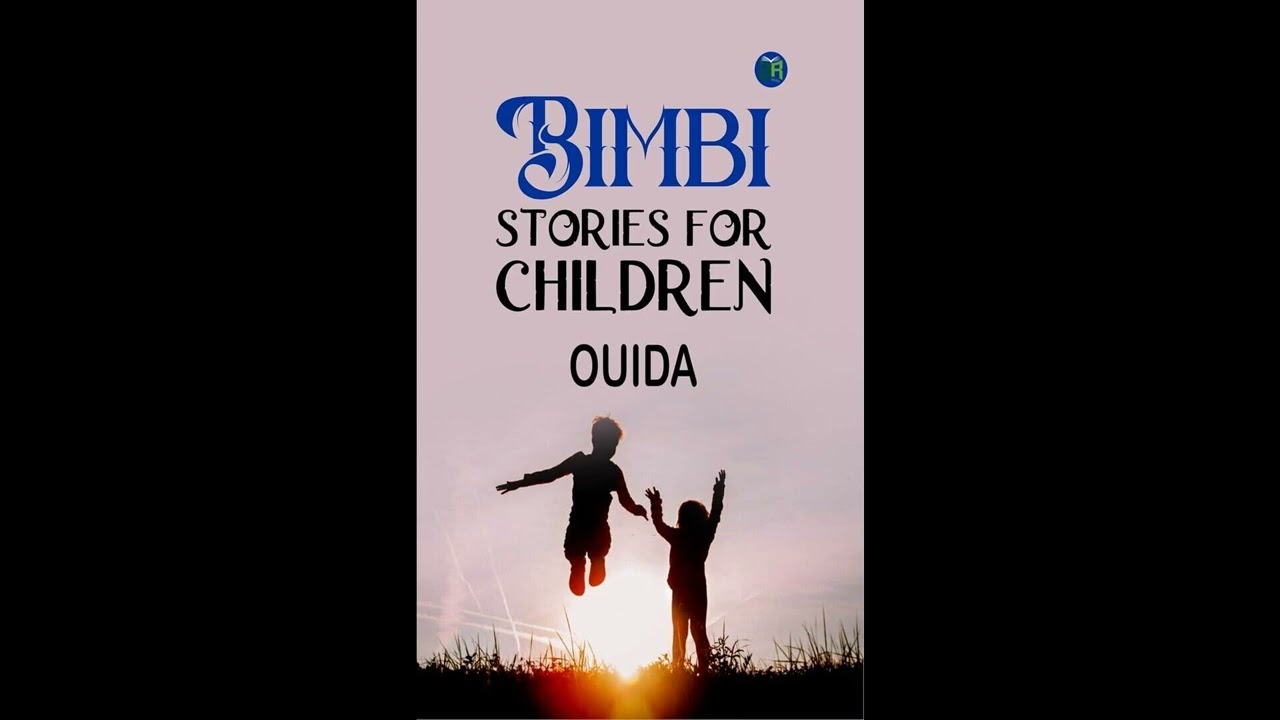
Bimbi: Stories for Children
Step into a world where childhood innocence confronts life's stark realities, where small acts of kindness illuminate dark corners, and where the natural world holds profound lessons. Ouida's Bimbi: Stories for Children is a collection that transcends its origins in the late nineteenth century to offer tales of enduring human sentiment, courage, and the often-overlooked wisdom of the young. This is not simply a book of lighthearted fables; it is a series of richly imagined narratives that invite listeners to consider the deeper currents of compassion, sacrifice, and the search for beauty in a sometimes-harsh world. For anyone seeking stories that speak to the heart with both tenderness and unflinching honesty, Bimbi offers a truly special listening experience, its themes resonating powerfully in any era. Within the pages of Bimbi, listeners will encounter a varied landscape of European settings, from the sun-drenched Italian countryside to the ancient, snow-kissed streets of Germany. Each story introduces a new cast of young protagonists, often children of humble origins, whose lives are intertwined with nature, animals, and the often-complex world of adults. One might find a young boy, struggling with poverty, who forms an unbreakable bond with a wild creature, teaching him profound lessons about loyalty and freedom. Another tale might center on a quiet, observant girl whose unique perspective helps to mend a broken family or reveal a hidden truth. The central conflict in these stories rarely involves grand, sweeping dramas; instead, it often arises from everyday struggles, moral dilemmas, or the simple challenges of growing up and understanding one's place in the world. The narratives in Bimbi often follow an arc where a child, through their purity of spirit or an unexpected act of bravery, manages to influence their surroundings, sometimes even transforming the lives of the adults around them. Whether confronting prejudice, demonstrating selfless love, or simply maintaining an unwavering sense of wonder, these young characters navigate their circumstances with a quiet strength that is both poignant and inspiring. The tales are not always without sadness or difficulty, reflecting a realistic understanding of life’s hardships, but they consistently emphasize the capacity for goodness and resilience inherent in the human spirit, especially when observed through the unfiltered lens of youth. The author behind Bimbi, Ouida—the pen name of Marie Louise de la Ramée—was a literary sensation of the Victorian era. Born in Bury St Edmunds, England, in 1839, she quickly established herself as a flamboyant and prolific writer, known for her extravagant lifestyle and equally dramatic novels. After achieving significant fame and fortune in London literary circles, she moved to Italy, where she spent the latter part of her life, living amidst a menagerie of beloved pets and often struggling with financial difficulties, ultimately passing away in Viareggio in 1908. Her larger body of work includes numerous popular adult novels such as Under Two Flags, a romantic military adventure, and Puck, a satirical novel about society. Ouida's adult novels were characterized by their passionate romance, vivid descriptions, and often critical commentary on social mores, earning her both immense popularity and a degree of critical scorn. However, Bimbi stands apart within her bibliography. While retaining her characteristic descriptive flair and keen insight into character, these children's stories reveal a softer, more reflective side of her writing. They showcase her deep affection for animals and her profound understanding of the inner lives of children, solidifying her place as a versatile author who could captivate audiences across different genres and age groups, moving beyond the sensationalism often associated with her name to craft stories of genuine tenderness and moral depth. The collection of stories in Bimbi enacts several core themes, providing a mirror for listeners to reflect on universal truths. One prominent theme is the purity and vulnerability of childhood, often juxtaposed with the harshness of the adult world or social expectations. For instance, in one story, a young character's simple, unquestioning love for a creature or another person stands in stark contrast to the cynicism or practicality of grown-ups, highlighting how easily a child’s innocence can be wounded yet also how powerfully it can redeem. Another recurring theme is the transformative power of compassion and kindness. Throughout the collection, small acts of generosity or empathy, whether directed towards a neglected animal or a struggling peer, ripple outwards, bringing unexpected solace or creating significant change in the lives of others, demonstrating that even the humblest individual can make a profound difference. Furthermore, Ouida frequently celebrates the beauty and spiritual solace found in nature. Her descriptions of the Italian mountains, German forests, or a humble garden are not mere backdrops; they become integral characters, offering comfort, inspiring reflection, or even guiding the protagonists towards a deeper understanding of themselves and their world. These natural settings often symbolize freedom and wildness, contrasting with the often-confining social structures the children encounter. Finally, the tales frequently touch upon self-sacrifice and quiet heroism. Children in these stories often make difficult choices that prioritize the well-being of others—a pet, a friend, or a family member—over their own desires or comforts, showcasing an innate nobility that transcends age and circumstance, often without expectation of reward. Ouida published Bimbi during a period of significant cultural and literary transformation in the late nineteenth century. The Victorian era was intensely focused on moral education and the concept of childhood, leading to a boom in children's literature. Authors like Lewis Carroll and Robert Louis Stevenson were shaping new directions for the genre, moving beyond purely didactic texts to embrace imaginative storytelling. Ouida’s contribution emerged from this context, yet often challenged the prevailing sentimentalism of some children's books. Her stories, while offering moral lessons, did so with a keen eye for psychological realism and often contained more poignant, even tragic, elements than was typical. This collection arrived as society was grappling with rapid industrialization, widening social disparities, and evolving ideas about human rights and compassion, particularly towards the vulnerable and animals – concerns that Ouida passionately wove into her narratives, making them relevant critiques of her time while still enchanting young readers. Listening to Bimbi: Stories for Children as an audiobook transforms the experience of these classic tales. With its extended listening duration, the collection is perfectly suited for long commutes, quiet evenings, or moments of focused relaxation. A skilled narrator breathes life into Ouida's evocative prose, allowing listeners to fully appreciate the vivid descriptions of sun-drenched landscapes, bustling marketplaces, or the hushed intimacy of a child's bedroom. The narrator's voice can bring out the nuanced emotions of the young protagonists—their innocence, their sorrows, their quiet triumphs—and differentiate the sometimes-stern, sometimes-kind voices of the adults they encounter. The pacing allows for absorption of each story's moral and emotional weight, letting listeners reflect on the delicate balance between childhood dreams and the challenges of the world, fostering a truly atmospheric and deeply moving encounter with Ouida's unique storytelling vision.
Enjoyed Bimbi: Stories for Children? A few ways to support us
Audible & Amazon links are affiliate; we may earn a small commission at no extra cost.
About this production
Human narration by a volunteer reader from LibriVox.org, the public-domain audiobook project. LibriVox volunteers record literary works whose copyright has expired in the United States, releasing the resulting recordings into the public domain.
Bimbi: Stories for Children by Ouida. The underlying text is in the U.S. public domain. We do not republish any modern copyrighted edition, translation, or commentary.
The 4K cinematic visuals accompanying this audiobook are generated by an AI image model from prompts derived from the source text. No copyrighted photos, paintings, or stock footage are used. AI generation is disclosed on every video on our YouTube channel as required by YouTube's altered/synthetic content policy.
English subtitles are transcribed from the LibriVox recording with OpenAI Whisper. Translations into the 11 other supported languages are produced by Meta's NLLB-200 neural translation model. No human translator's copyrighted translation is used.
Questions about sourcing or rights? See our DMCA & Sourcing policy or contact us.
Enjoyed this audiobook?
If you'd like to own a copy of Bimbi: Stories for Children or hear a professionally produced edition, the links below help support free audiobook production at no extra cost to you.
As an Amazon Associate we earn from qualifying purchases. Audible / print links are affiliate.



![Children's Classics in Dramatic Form, Book Two. [1909] by Augusta Stevenson — free full audiobook](https://img.youtube.com/vi/h4bTKUeuO7U/maxresdefault.jpg)