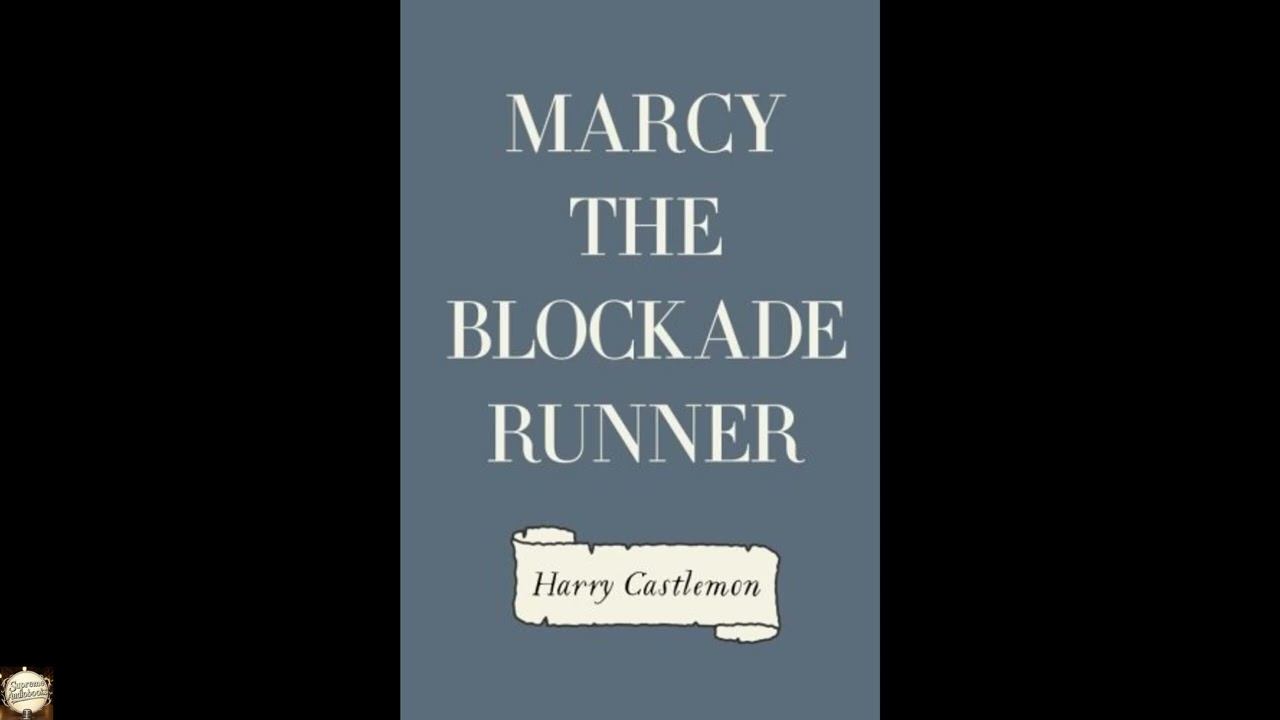
Marcy The Blockade Runner
The thunder of cannons, the creak of timber under strain, and the desperate gamble of sailing through enemy waters defined a crucial, daring chapter of American history: the era of the blockade runner. More than just a tale of naval skirmishes, Harry Castlemon's Marcy The Blockade Runner plunges listeners directly into the heart of this audacious world, presenting a story where courage is measured not just in battles fought, but in the unwavering spirit of those who risked everything for a cause. This isn't merely historical fiction; it's an intimate look at the choices young men faced when their nation was torn asunder, offering a vivid portrait of resilience that resonates with anyone confronting immense pressure today. The story unfolds against the tumultuous backdrop of the American Civil War, a period when the Union's naval blockade choked the Confederacy, severing vital supply lines and strangling its economy. Our protagonist, a young man named Frank, finds himself thrust into this perilous environment, where every voyage aboard the swift steamer, Marcy, carries the potential for capture, imprisonment, or even death. He quickly becomes involved with the covert operations of blockade running—the high-stakes game of smuggling essential goods like medicines, armaments, and luxury items past relentless Union patrols to reach the beleaguered Southern ports. Frank's initial motivations might be driven by necessity, youthful ambition, or a profound sense of loyalty to his homeland, but as he navigates treacherous seas and dodges persistent pursuers, he begins to grasp the profound moral weight of his actions. We meet a cast of vivid characters who populate this dangerous world: seasoned captains hardened by years at sea, cunning spies, loyal crewmen, and determined Union officers committed to enforcing the blockade. The central conflict centers on the Marcy's repeated attempts to outwit the Union navy, using guile, speed, and sheer bravery to deliver crucial cargo and sustain the Southern war effort. The narrative follows Frank through a series of dramatic escapes, tense confrontations, and harrowing voyages across storm-swept waters. He witnesses the harsh realities of war firsthand, encountering both selfless heroism and desperate human frailty on both sides of the conflict. Each successful run brings temporary triumph and a fleeting sense of security, but the ever-present threat of detection and engagement looms large, forcing Frank to make split-second decisions that determine the fate of his ship, its precious cargo, and the lives of his comrades. The personal growth of this young man, as he confronts these immense challenges, forms the compelling arc of the story, shaping his understanding of loyalty, sacrifice, and the true cost of war. The name Harry Castlemon, the pen name of Charles Austin Fosdick, stands as a cornerstone in the history of American juvenile literature. Born in 1842, Fosdick initially pursued a career in the Union Navy during the Civil War, an experience that undoubtedly lent authenticity and vivid detail to his later stories of wartime adventure. Following his service, he turned to writing, quickly establishing himself as one of the most popular and prolific authors for young readers during the late nineteenth and early twentieth centuries. He passed away in 1915, leaving behind a substantial body of work that shaped generations of American youth. Castlemon became renowned for his thrilling adventure series, often focusing on young protagonists who confronted danger, developed moral character, and learned valuable lessons about life and responsibility. His "Gunboat Series," including titles like Frank, the Young Naturalist and Frank, the Young Trapper, were immensely popular, followed by his "Rocky Mountain Series" and numerous standalone novels. His writing style was characterized by fast-paced action, clear moral instruction, and an emphasis on traditional virtues such as courage, honesty, and perseverance. While his works are sometimes categorized as "dime novels" due to their accessibility and mass appeal, Castlemon's contribution goes beyond mere entertainment. He helped define the genre of boys' adventure fiction, inspiring a love for reading and a sense of patriotic duty in countless young Americans. His stories often served as a cultural mirror, reflecting the values and concerns of a nation still grappling with its identity after the Civil War and looking towards westward expansion and industrial growth. His place in the literary canon is secured as a significant, if often overlooked, figure who profoundly influenced how American youth viewed heroism and moral rectitude. At its core, Marcy The Blockade Runner powerfully renders themes of courage and resilience. The narrative consistently places its young protagonist, Frank, in situations where his physical bravery and quick thinking are put to the ultimate test. Whether it's navigating the Marcy through a storm-tossed sea under the cover of darkness to evade capture or making the split-second decision to run rather than surrender when cornered, the story champions the strength of will required to survive and succeed in an environment of constant peril. We see courage not just in grand heroic acts, but in the quiet determination of the crew, facing down fear on every clandestine voyage. Another central theme is loyalty, particularly loyalty to one's cause and comrades. Amidst the chaos of war, the bonds formed between the blockade runner's crew become paramount. Their success hinges on mutual trust and unwavering commitment to each other and to the mission of delivering aid. The story also touches on the complex moral dilemmas inherent in wartime, particularly for a young person. The actions of blockade runners were considered illegal by one side and vital by the other, forcing characters to confront the subjective nature of right and wrong when caught between two opposing national ideals. This moral landscape allows the listener to consider the challenging choices made by ordinary people during extraordinary times, as our protagonist grapples with the full implications of his dangerous involvement. The period when Marcy The Blockade Runner was written falls squarely in the aftermath of the American Civil War, a defining moment in the nation's history. This era saw a profound cultural reckoning with the conflict's legacy, coupled with rapid industrialization, westward expansion, and the consolidation of American identity. For young readers, there was a significant appetite for stories that offered both thrilling entertainment and moral guidance. Juvenile literature was burgeoning, moving beyond purely religious tracts to secular adventure stories that nevertheless carried strong didactic messages. Harry Castlemon's work, including this novel, emerged as a direct response to this demand. His stories provided a safe, exciting way for young boys to process the recent national trauma of the Civil War, often through the lens of individual heroism and ingenuity. They reinforced prevailing societal values, offering models of conduct for aspiring young men. These tales also served a practical purpose, educating readers about different aspects of the war—like the crucial role of blockade running—while simultaneously instilling virtues considered essential for the next generation of American citizens. Listening to Marcy The Blockade Runner as an audiobook offers an intensely immediate way to experience this classic adventure. The narration transforms the text into a living chronicle, allowing listeners to visualize the churning seas, hear the whispered commands on deck, and feel the tension of approaching enemy ships. The pacing, often swift during chase sequences and moments of danger, slows to allow for character reflection, drawing you into the protagonist's mindset. The distinct voices given to different characters—from the grizzled captain to the nervous young crewmen—brings the drama to life, making the high-stakes dialogue crackle with urgency. With several hours of listening, it's a substantive experience perfect for long drives, quiet evenings, or whenever you seek to lose yourself in a well-told story that echoes with the spirit of a bygone era. You can fully appreciate the atmosphere of wartime daring and the moral fortitude required to navigate a nation divided.
Enjoyed Marcy The Blockade Runner? A few ways to support us
Audible & Amazon links are affiliate; we may earn a small commission at no extra cost.
About this production
Human narration by a volunteer reader from LibriVox.org, the public-domain audiobook project. LibriVox volunteers record literary works whose copyright has expired in the United States, releasing the resulting recordings into the public domain.
Marcy The Blockade Runner by Harry Castlemon. The underlying text is in the U.S. public domain. We do not republish any modern copyrighted edition, translation, or commentary.
The 4K cinematic visuals accompanying this audiobook are generated by an AI image model from prompts derived from the source text. No copyrighted photos, paintings, or stock footage are used. AI generation is disclosed on every video on our YouTube channel as required by YouTube's altered/synthetic content policy.
English subtitles are transcribed from the LibriVox recording with OpenAI Whisper. Translations into the 11 other supported languages are produced by Meta's NLLB-200 neural translation model. No human translator's copyrighted translation is used.
Questions about sourcing or rights? See our DMCA & Sourcing policy or contact us.
Enjoyed this audiobook?
If you'd like to own a copy of Marcy The Blockade Runner or hear a professionally produced edition, the links below help support free audiobook production at no extra cost to you.
As an Amazon Associate we earn from qualifying purchases. Audible / print links are affiliate.