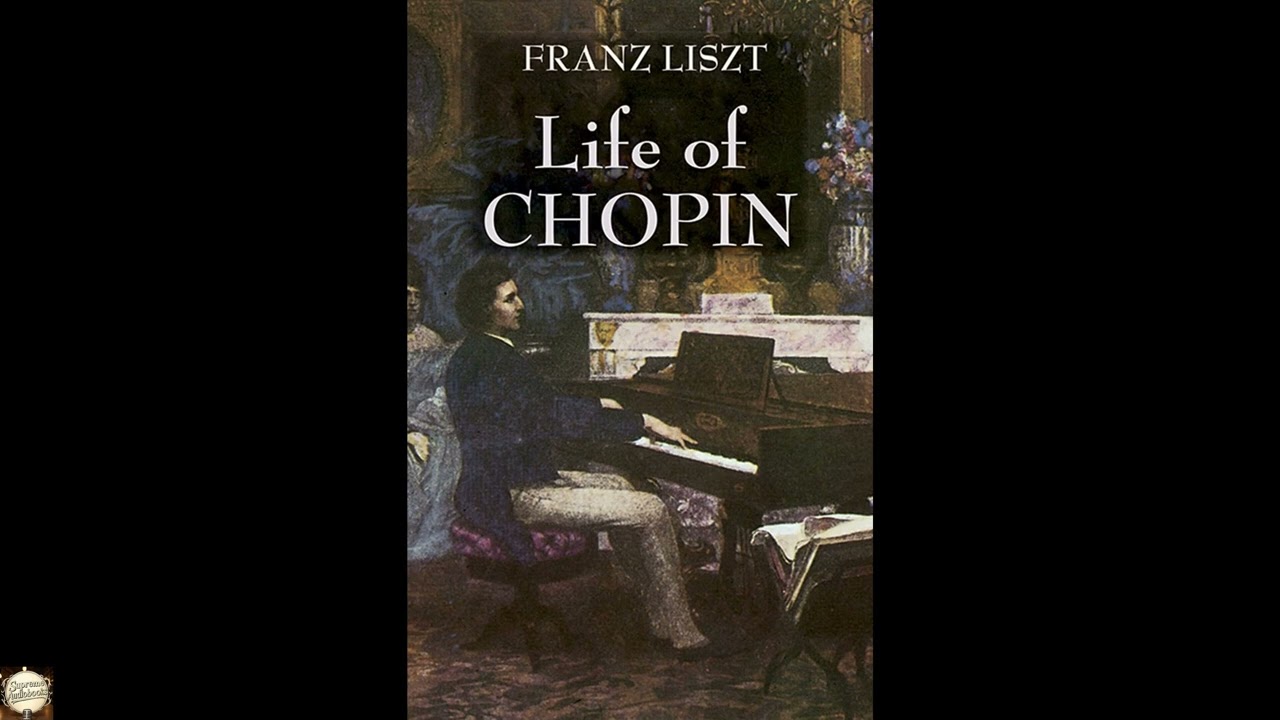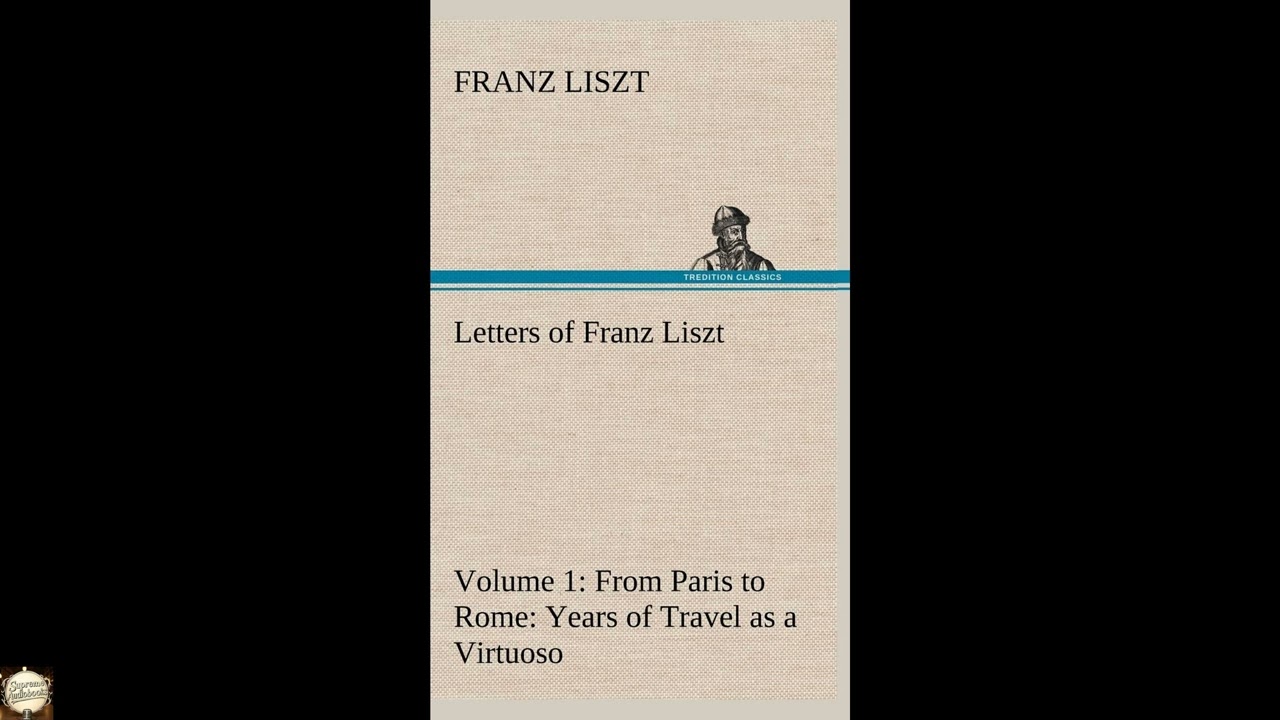
Letters of Franz Liszt -- Volume 1 from Paris to Rome: Years of Travel as a Virtuos
Imagine receiving a personal letter from a titan of history, a missive scribbled in an era of grand passions and artistic ferment, revealing not just events, but the very soul of its sender. Letters of Franz Liszt -- Volume 1 from Paris to Rome: Years of Travel as a Virtuoso offers just such an experience, drawing back the curtain on the formative period of one of the most influential musicians to ever live. These pages, composed by Liszt himself and collected for the modern listener, invite us into the inner world of a genius grappling with fame, artistry, love, and a restless intellect. It is an extraordinary opportunity to encounter the Romantic age through the direct, unfiltered voice of a man who helped define it, understanding his struggles, ambitions, and insights as they unfolded, offering a window into the human condition that remains profoundly resonant today. This collection traces Franz Liszt's remarkable trajectory during a pivotal phase of his life, specifically the years that saw him evolve from a dazzling young piano prodigy into a celebrated, internationally recognized virtuoso. The letters transport us across the European continent, from the bustling salons and concert halls of Paris—the epicenter of artistic innovation in the 1830s—through numerous stages in Switzerland, Italy, and Hungary, eventually culminating with his return to Rome. We witness his early days of celebrity, his relationships with some of the most prominent cultural figures of his time, and his growing reflections on the nature of art and his own prodigious talent. The narrative arc, woven from his own correspondence, details his grand concert tours, which saw him perform before kings and commoners alike, solidifying his reputation as "the Paganini of the piano." Through these missives, we gain insight into Liszt's personal life, particularly his significant relationship with the countess Marie d'Agoult, with whom he shared a period of intense intellectual and emotional connection and several children. Their unconventional union and shared intellectual pursuits form a significant backdrop to his creative output during these years, as their correspondence reveals a partnership of equals in pursuit of truth and beauty. The central thread tying these letters together is Liszt’s relentless pursuit of artistic expression and his ambition to elevate the status of the musician beyond mere entertainment. We see him grappling with the demands of constant performance, the pressure of public expectation, and his internal drive to compose and innovate, all while navigating a complex personal life and the social conventions of the age. Franz Liszt (1811-1886) was a Hungarian composer, virtuoso pianist, conductor, music teacher, and Franciscan tertiary. Born in Raiding, then part of the Austrian Empire, Liszt displayed astonishing musical aptitude from an early age, giving his first public concert at nine and studying with Carl Czerny in Vienna. His move to Paris in 1823 solidified his status as a child prodigy. Over the ensuing decades, he became one of the most celebrated and influential figures of the Romantic era. His innovative approach to piano playing revolutionized technique, pushing the instrument to its limits, and his compositions, which include the monumental Faust Symphony, the Piano Sonata in B minor, and his evocative Hungarian Rhapsodies, broadened the scope of orchestral and piano music. Later in life, he took minor orders in the Catholic Church, becoming Abbé Liszt, and divided his time between Weimar, Rome, and Budapest, continuing to compose and teach. His place in the musical canon is secured not just by his prolific output, but by his profound impact on the development of piano music, the symphonic poem, and the broader Romantic aesthetic. While the compiler of this specific volume remains unnamed, the letters themselves are the authentic voice of Franz Liszt. Such collections are invaluable primary sources, offering historians and music enthusiasts direct access to the thoughts, feelings, and everyday experiences of the past. These collected letters represent a meticulously preserved record of his life and artistic development, carefully arranged to present a coherent narrative of his formative years as a traveling virtuoso. They serve as a testament to the enduring human need to communicate, to share one's observations, and to leave a lasting impression on the world, even if only through the private act of correspondence. Several powerful themes emerge from Liszt's correspondence. One prominent theme is the inherent tension between public adulation and artistic solitude. Liszt, a rockstar of his era, writes from bustling concert halls and aristocratic salons, yet his letters frequently reveal moments of introspection, a longing for quiet reflection, and the intense effort required to produce enduring art. For example, he might describe the exhilaration of a wildly successful performance in one passage, only to reflect in the next on the superficiality of fame or the profound loneliness inherent in his nomadic existence. Another recurring thread is the theme of artistic innovation and the pursuit of perfection. Liszt was not content with merely dazzling audiences; he constantly pushed the boundaries of piano technique and musical form. His letters often discuss new compositions, his theories on performance, or his desire to express grand philosophical ideas through music, demonstrating his relentless drive to expand the expressive capabilities of his art and challenge the conventions of his time. We see his engagement with literary figures and thinkers, revealing his belief in the interconnectedness of all arts and his ambition to create a "universal art." The period during which Liszt wrote these letters—roughly the 1830s and 1840s—was a time of immense cultural and political transformation across Europe, a time perfectly suited for the rise of a figure like Liszt. It was the heyday of Romanticism, a movement characterized by an emphasis on emotion, individualism, the glorification of nature, and an intense focus on artistic expression. The aftermath of the Napoleonic Wars had reshaped the continent, fostering a sense of national identity alongside a burgeoning cosmopolitanism among the elite. Musically, the "cult of the virtuoso" was at its peak, driven by figures like Paganini and Liszt himself, who commanded immense personal followings. The piano was evolving rapidly, becoming a more powerful and versatile instrument, which Liszt exploited to its fullest. Salons thrived as centers of intellectual and artistic exchange, bringing together musicians, writers like George Sand and Honoré de Balzac, and thinkers, all contributing to a ferment of ideas that Liszt both participated in and influenced profoundly. This vibrant cultural backdrop provided the perfect stage for a musician of Liszt's genius, enabling him to achieve unprecedented fame and leave an indelible mark on music history. Hearing Liszt's own words brought to life in an audiobook creates an immediacy that printed text cannot fully replicate. The sheer length of "several hours" allows for a truly immersive experience, letting the listener settle into the cadence of Liszt's thoughts and the atmosphere of his world. The narration should reflect the varying moods of his letters—at times passionate and impetuous, at others reflective and philosophical, sometimes dramatic, sometimes witty. A skilled narrator will convey the youthful enthusiasm of a rising star, the gravitas of a maturing artist, and the underlying sincerity of his personal reflections. The intimate act of listening to these letters read aloud offers the sensation of being a direct recipient, drawing you into Liszt's conversations with his correspondents and making the historical figures and events feel closer, more real. It transforms the historical record into a living, breathing narrative, allowing listeners to connect personally with the voice of genius across centuries.
Enjoyed Letters of Franz Liszt -- Volume 1 from Paris to Rome: Years of Travel as a Virtuos? A few ways to support us
Audible & Amazon links are affiliate; we may earn a small commission at no extra cost.
About this production
Human narration by a volunteer reader from LibriVox.org, the public-domain audiobook project. LibriVox volunteers record literary works whose copyright has expired in the United States, releasing the resulting recordings into the public domain.
Letters of Franz Liszt -- Volume 1 from Paris to Rome: Years of Travel as a Virtuos by Franz Liszt. The underlying text is in the U.S. public domain. We do not republish any modern copyrighted edition, translation, or commentary.
The 4K cinematic visuals accompanying this audiobook are generated by an AI image model from prompts derived from the source text. No copyrighted photos, paintings, or stock footage are used. AI generation is disclosed on every video on our YouTube channel as required by YouTube's altered/synthetic content policy.
English subtitles are transcribed from the LibriVox recording with OpenAI Whisper. Translations into the 11 other supported languages are produced by Meta's NLLB-200 neural translation model. No human translator's copyrighted translation is used.
Questions about sourcing or rights? See our DMCA & Sourcing policy or contact us.
Enjoyed this audiobook?
If you'd like to own a copy of Letters of Franz Liszt -- Volume 1 from Paris to Rome: Years of Travel as a Virtuos or hear a professionally produced edition, the links below help support free audiobook production at no extra cost to you.
As an Amazon Associate we earn from qualifying purchases. Audible / print links are affiliate.