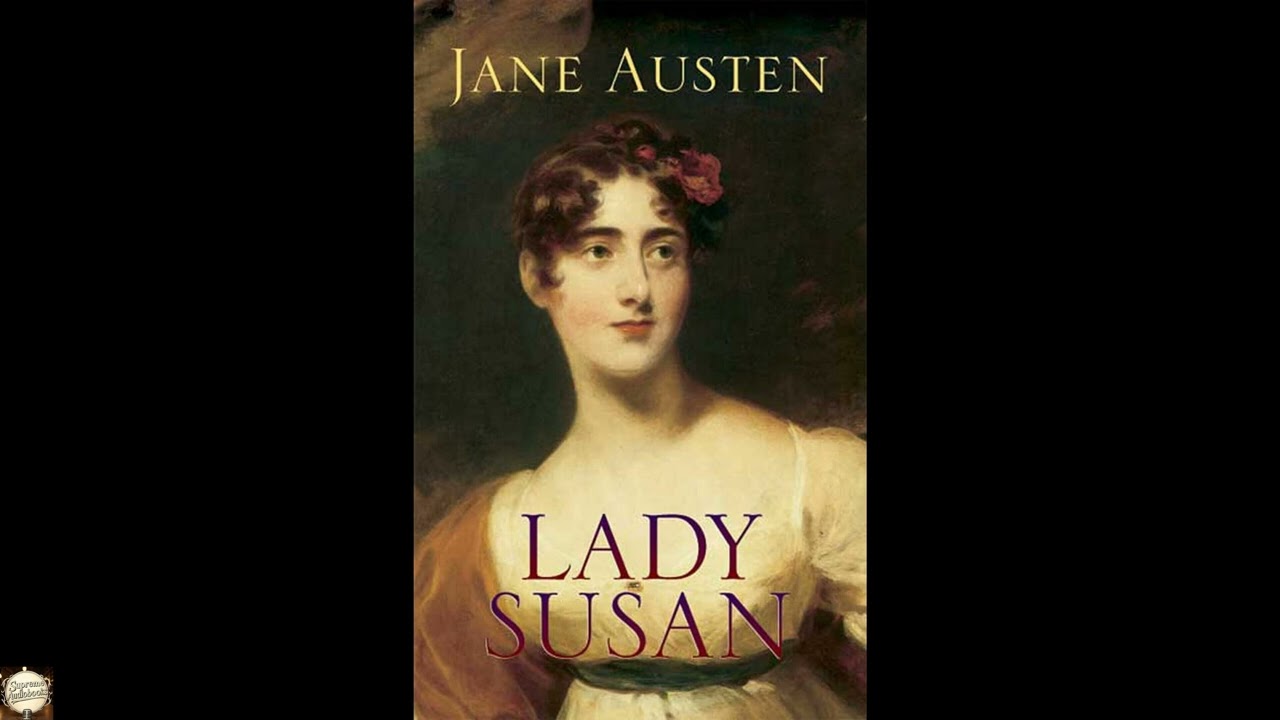
Lady Susan
Imagine a Jane Austen heroine who is not only not a charming, sweet, and sensible young woman, but a beautiful, intelligent, and utterly unscrupulous predator. That is the startling premise of Lady Susan, an early epistolary novella from the beloved author, offering a sharp, cynical, and surprisingly modern portrayal of female ambition and survival. This is Austen unleashed, stripping away the polite conventions to reveal the raw power dynamics and moral compromises inherent in her society. For anyone who thinks they know Austen's world, or for those encountering her for the first time, Lady Susan presents a fascinating and compelling counterpoint, a witty and biting social satire that resonates with uncomfortable truths about reputation, power, and the pursuit of self-interest in any era. The story unfolds entirely through letters, pulling us directly into the intricate web of Lady Susan Vernon's machinations. Recently widowed and notorious for her flirtations and alleged impropriety, Lady Susan arrives at Churchill, the country estate of her brother-in-law, Charles Vernon, and his wife, Catherine. Her primary objective is to secure a new, advantageous marriage for herself, preferably with the wealthy and handsome Reginald DeCourcy, Catherine’s brother. Simultaneously, she is determined to marry off her own sixteen-year-old daughter, Frederica, to the incredibly foolish but exceedingly rich Sir James Martin—a match Frederica vehemently opposes, preferring the more intellectual but less affluent young man, Mr. Mainwaring. Lady Susan’s plans are further complicated by her ongoing scandalous affair with a different Mr. Manwaring, a married man whose wife’s family is, predictably, scandalized. As Lady Susan works her charm on Reginald, effortlessly swaying him from his initial skepticism to a state of profound infatuation, her intricate schemes are laid bare in her correspondence with her confidante, the equally cynical Mrs. Johnson. We see Lady Susan's calculated kindness, her feigned maternal concern, and her brilliant capacity for deception, all designed to manipulate those around her. Catherine Vernon, however, sees through Lady Susan’s veneer and her letters to her mother and brother chronicle her growing alarm and her attempts to expose Lady Susan’s true character. The novella becomes a thrilling game of social chess, with Lady Susan as the grandmaster, constantly adapting her strategy to outwit her opponents and secure her desired outcomes, even at the expense of her daughter’s happiness or anyone else's reputation. Jane Austen, born in 1775 in Steventon, Hampshire, England, dedicated her life to observing and illuminating the nuances of the gentry and landed classes of her time. The seventh of eight children born to the Reverend George Austen and Cassandra Leigh, Jane grew up in a lively, intellectually stimulating household. Her close relationship with her elder sister, Cassandra, was a lifelong comfort, and many of her most famous novels first circulated amongst her family members before finding their way to public view. Though she never married, Austen’s understanding of courtship, marriage, and domestic life—the limited avenues available for women in her era—was unparalleled. She lived a relatively quiet life, spending her early years in Steventon rectory, then moving to Bath, and finally settling in Chawton in 1809, where she revised and penned some of her most celebrated works. Austen published her novels anonymously, "By a Lady," often reflecting her modest nature or perhaps the societal expectations for female writers of her period. Her widely acclaimed works include Sense and Sensibility, Pride and Prejudice, Mansfield Park, Emma, Northanger Abbey, and Persuasion. She is renowned for her wit, her keen psychological insight, her mastery of free indirect discourse, and her precise social satire. Her place in the literary canon is secure as one of the most beloved and influential English novelists, whose focus on ordinary life, domestic relationships, and the moral choices of individuals elevated the novel to a new level of artistry. Lady Susan, though written in her youth around 1794-1795 and published posthumously in 1871, offers a unique early glimpse into her formidable talent, showcasing a character strikingly different from the gentle heroines her readers would come to adore. Among the specific themes Lady Susan enacts, the stark contrast between reputation and reality stands out. Lady Susan is a virtuoso performer, maintaining an impeccable public facade of charm, grace, and maternal devotion, even as her private letters reveal a cynical, self-serving individual. For instance, she publicly expresses profound sorrow for her late husband while privately disparaging him, using her widowhood as a strategic tool. Her letters to Mrs. Johnson are filled with calculations of how to manipulate appearances, demonstrating a cunning awareness of societal judgment and a ruthless willingness to exploit it. This constant tension between what is shown and what is truly felt or intended forms the dramatic core of the novella. Another central theme is female agency within constraint. In a society that offered women very few legitimate avenues for power or financial independence beyond marriage, Lady Susan’s actions, however morally ambiguous, represent a powerful assertion of her will. She uses her intelligence, beauty, and social skills as weapons to carve out her own destiny and ensure her comfort, defying the passive roles expected of women. Her calculated pursuit of Reginald DeCourcy for herself, and the persistent efforts to force Frederica into a wealthy match, highlight the lengths to which a woman might go to secure her position, even if it means trampling on others’ feelings. Her methods are unconventional and often ruthless, but they are undeniably her own, demonstrating a bold, if selfish, form of empowerment. The deceptive power of language also permeates the story; as an epistolary novel, we witness how characters craft their narratives, concealing truths or bending reality to suit their purposes. Lady Susan’s letters are particularly masterful, showcasing her ability to disarm, persuade, and mislead through carefully chosen words, highlighting language as both a tool of connection and a weapon of manipulation. Lady Susan emerged during a fascinating period in British history—the tail end of the Georgian era and the dawn of what would become known as the Regency. Written in the 1790s, when Austen was in her late teens, the novella reflects the rigid social structures and expectations of the time. For women, marriage was not merely a romantic ideal but often a vital economic necessity, dictating their social standing and financial security. Divorce was exceedingly rare and scandalous, and a woman's reputation was her most precious commodity, easily sullied by rumor or association. This was also a time when the novel itself was gaining popularity, providing a fresh canvas for authors to scrutinize domestic life and human behavior. Austen's decision to utilize the epistolary format, a well-established literary tradition by then, allowed her to comment on these societal constraints with a biting wit, exposing the hypocrisies and power plays that unfolded beneath the veneer of polite society, perhaps more boldly than she would in her works published later in her life. Listening to Lady Susan as an audiobook offers a particularly rich and immersive experience. The epistolary format, where the story unfolds through a series of letters between characters, truly comes alive when narrated. Each character’s distinct voice—Lady Susan’s calculating charm, Catherine Vernon’s growing anxiety, Reginald DeCourcy’s initial skepticism shifting to infatuation—can be perfectly embodied by a skilled narrator, allowing the listener to instantly distinguish between correspondents and fully appreciate the subtle shifts in tone and intent. The run length of several hours makes it an ideal companion for a drive, an afternoon of chores, or a relaxing evening. Pay close attention to the pacing, which cleverly builds suspense as Lady Susan's schemes are revealed letter by letter. Listen for the nuanced vocal performances that bring out the sharp wit, the veiled insults, and the unspoken emotions embedded within Austen’s prose, transporting you directly into the drawing-rooms and moral dilemmas of this deliciously unconventional Austen world.
Enjoyed Lady Susan? A few ways to support us
Audible & Amazon links are affiliate; we may earn a small commission at no extra cost.
About this production
Human narration by a volunteer reader from LibriVox.org, the public-domain audiobook project. LibriVox volunteers record literary works whose copyright has expired in the United States, releasing the resulting recordings into the public domain.
Lady Susan by Jane Austen. The underlying text is in the U.S. public domain. We do not republish any modern copyrighted edition, translation, or commentary.
The 4K cinematic visuals accompanying this audiobook are generated by an AI image model from prompts derived from the source text. No copyrighted photos, paintings, or stock footage are used. AI generation is disclosed on every video on our YouTube channel as required by YouTube's altered/synthetic content policy.
English subtitles are transcribed from the LibriVox recording with OpenAI Whisper. Translations into the 11 other supported languages are produced by Meta's NLLB-200 neural translation model. No human translator's copyrighted translation is used.
Questions about sourcing or rights? See our DMCA & Sourcing policy or contact us.
Enjoyed this audiobook?
If you'd like to own a copy of Lady Susan or hear a professionally produced edition, the links below help support free audiobook production at no extra cost to you.
As an Amazon Associate we earn from qualifying purchases. Audible / print links are affiliate.