About Jane Austen
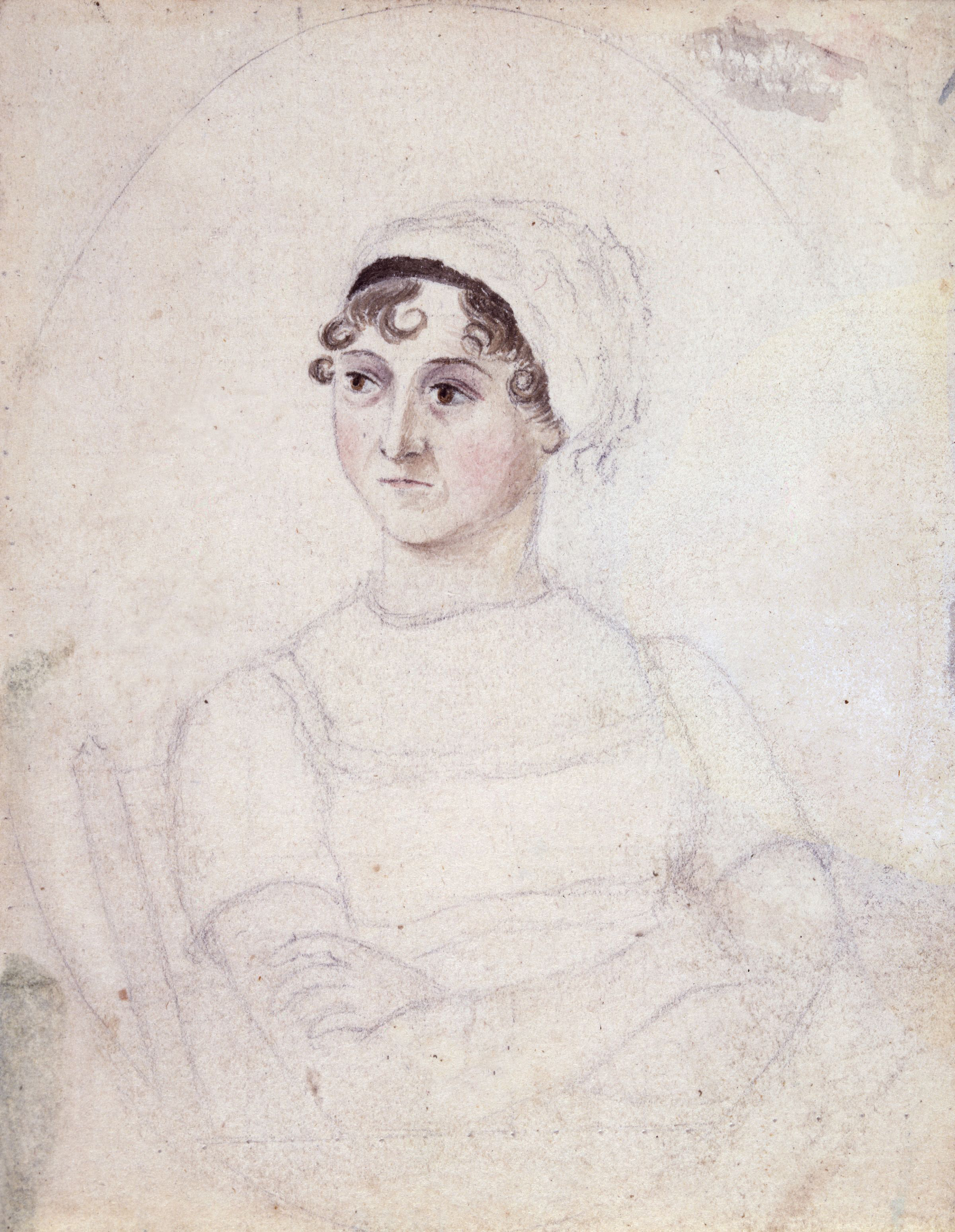
Among the most celebrated and beloved writers in English literature, Jane Austen was born on December 16, 1775, in Steventon, Hampshire, England. She spent the majority of her life within this close-knit family, the seventh of eight children to Rev. George Austen and Cassandra Leigh Austen. Her formal education was brief, primarily attending boarding schools with her elder sister Cassandra. However, she received much of her learning at home, where her father encouraged wide reading from his extensive library, fostering her intellectual development and early literary interests.
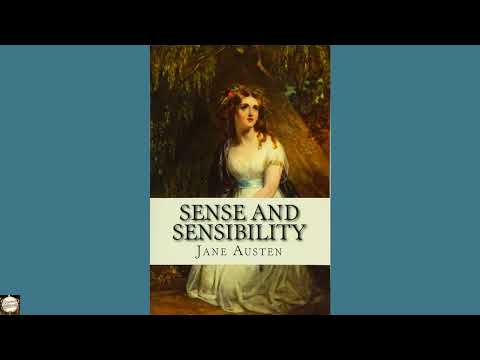
Austen’s writing career began in her youth, crafting humorous prose and plays for her family’s entertainment, later collected as her *Juvenilia*. She entered the late 18th and early 19th-century publishing world, a landscape where female authors often published anonymously; her novels appeared “By a Lady.” This era saw publishers cautious with fiction, especially from women, and Austen navigated initial rejections and delays. Her first significant published work, *Sense and Sensibility*, appeared in 1811, a refined version of a novel she had drafted years earlier, marking her formal introduction to the reading public.
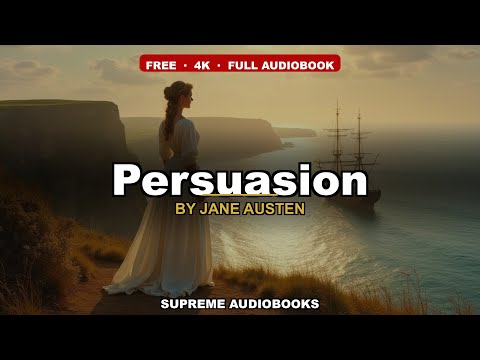
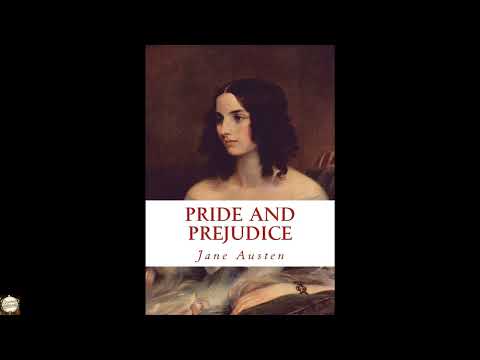
Over the next few years, Austen produced a series of novels that would define her legacy. *Sense and Sensibility* follows the Dashwood sisters as they navigate love and loss, embodying reason and passion; *Pride and Prejudice* chronicles Elizabeth Bennet’s struggle with societal expectations and her complex relationship with Mr. Darcy; *Mansfield Park* centers on the quiet Fanny Price, who finds her place amidst her wealthy relatives; *Emma* features a well-meaning but meddling young woman who orchestrates the love lives of those around her; and *Persuasion* depicts the rekindling of a past love between Anne Elliot and Captain Wentworth years after their separation. She also published *Northanger Abbey*, which satirizes gothic novels through the naive Catherine Morland’s adventures, posthumously.
Austen’s writing style is characterized by its sharp wit, irony, and precise dialogue, focusing on the domestic lives and moral choices of the English gentry. Her novels frequently examine themes of social class, reputation, manners, and marriage as a crucial means of security and advancement for women in her era. She masterfully employs free indirect discourse, allowing readers deep insight into characters’ thoughts, often with an ironic authorial commentary. For example, in *Pride and Prejudice*, the reader understands Mrs. Bennet’s desperate anxiety to marry off her daughters, while simultaneously recognizing the humor and social critique in her relentless efforts.
Jane Austen occupies a pivotal place in literary history, bridging the gap between the sentimental novels of the 18th century and the realism of the Victorian era. Her work offers an unparalleled window into the societal structures and nuances of Regency England. She shaped the novel as a form, establishing precedents for character development, plot structure, and social commentary that would influence generations of writers. Her enduring appeal is evident in countless adaptations and reinterpretations across various media, continuing to inspire authors who write about social dynamics and the complexities of human relationships. Her sharp observations and enduring characters continue to resonate, inviting new listeners to discover the lasting appeal of her voice through these free audio editions.
More on Wikipedia →