Incidents in the Life of a Slave Girl, Written
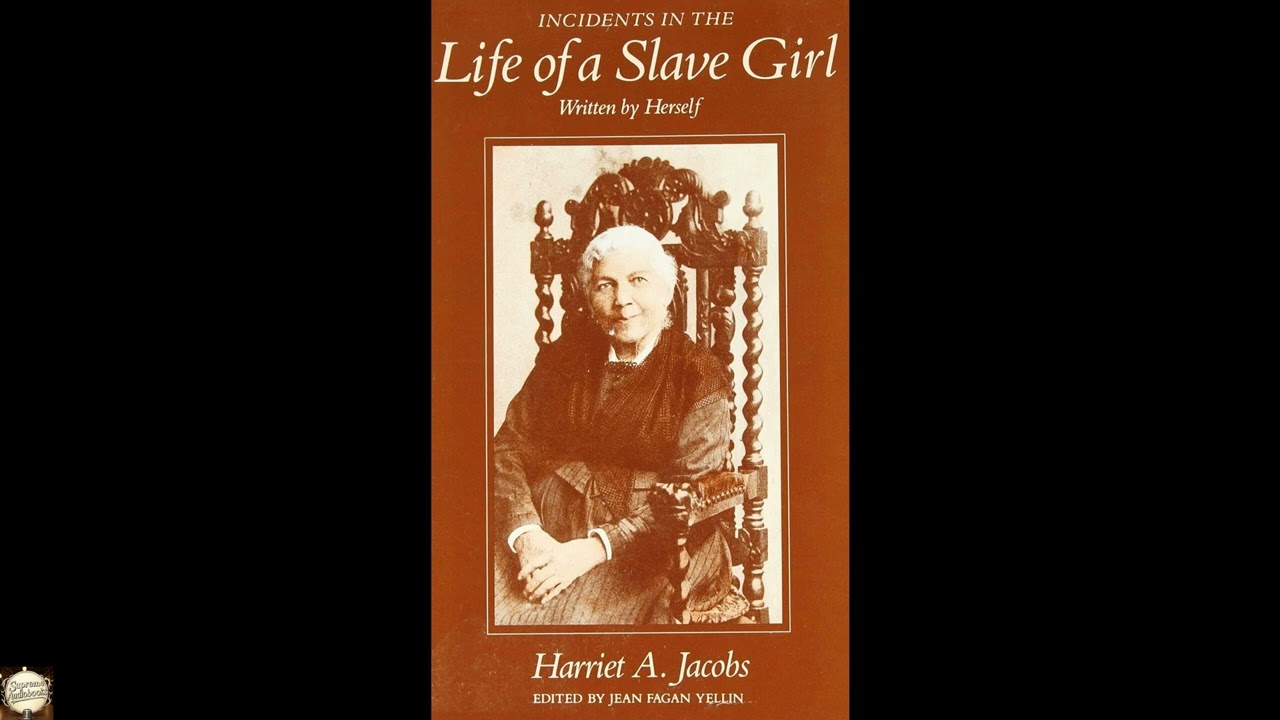
Among the most vital documents ever to emerge from American history is Incidents in the Life of a Slave Girl, Written by Herself. It is a searing, unflinching autobiography that lays bare the unconscionable cruelties of chattel slavery from the unique and often suppressed perspective of an enslaved woman. Far from being a mere historical artifact, this book remains acutely relevant today, confronting us with the enduring legacy of systemic oppression, the harrowing realities of gender-based violence, and the indomitable spirit of those who fought for their freedom and dignity against impossible odds. It forces a necessary reckoning with the past, echoing into contemporary discussions about race, power, and the struggle for human rights. The narrative unfolds in the antebellum South, primarily within the stifling confines of North Carolina, introducing us to Linda Brent—the pseudonym Harriet Jacobs chose for herself to protect those still living and to shield her family's privacy. Her story begins with a childhood that, while still enslaved, offered a glimpse of relative kindness under her first mistress. This precarious peace shatters upon the mistress's death, when Linda is bequeathed to a new owner, Dr. Flint, a man whose depravity and possessiveness soon become the central torment of her young life. Dr. Flint subjects Linda to relentless sexual harassment, psychological manipulation, and constant threats, making her existence a perpetual battle for bodily autonomy and emotional survival. The threat of separation from her children, born from a relationship she sought in a desperate attempt to escape Flint's clutches, adds another layer of profound anguish to her struggle. As the years pass, Linda's yearning for freedom intensifies, driven by an unshakeable resolve to protect her children from the brutal institution that would claim them as property. Her defiance culminates in an extraordinary act of resistance: she flees her master's house but does not escape far. Instead, she hides for seven agonizing years in a cramped, dark crawl space above her grandmother's shed, enduring unimaginable physical and psychological suffering, all for the chance to remain near her children and to eventually secure their freedom. This period of hidden endurance, a "loophole of retreat," tests the limits of human resilience, showcasing a mother's fierce love and an enslaved person's unwavering commitment to self-liberation. Her eventual, arduous flight north begins a new chapter of uncertainty, as the Fugitive Slave Act ensures that even in ostensibly free states, true safety and peace remain elusive. The author, Harriet A. Jacobs (1813–1897), was born into slavery in Edenton, North Carolina. Her parents, Delilah and Daniel Jacobs, were both enslaved, but her maternal grandmother, Molly Horniblow, had famously purchased her own freedom. Harriet's early life, as described in her book, was shaped by both the limited protections of her first mistress, Mrs. Margaret Horniblow, and the eventual terror of her next enslaver, Dr. James Norcom, who appears as Dr. Flint in the narrative. Her experiences included the profound indignity of sexual exploitation and the heart-wrenching pain of being unable to protect her own children, Joseph and Louisa, who were fathered by Samuel Tredwell Sawyer, a white lawyer and later a US Congressman. After her incredible seven-year confinement, Jacobs made a perilous escape to the North, where she found refuge and gained the support of prominent abolitionists, most notably Lydia Maria Child, who became instrumental in helping Jacobs shape and publish her autobiography. Jacobs’s Incidents in the Life of a Slave Girl stands as a pivotal text within the canon of American literature, particularly as an unparalleled example of the slave narrative genre. Published on the eve of the Civil War, its forthright address of sexual abuse and psychological torment distinguishes it from many contemporary accounts, most of which were penned by men. After the Civil War, Jacobs continued her activism, dedicating her efforts to aiding freedpeople and establishing schools for Black children, ensuring her legacy extended beyond her written words into direct social action. Her work not only provides an invaluable historical record but also cements her place as an early proto-feminist voice, challenging the patriarchal structures of both slavery and Victorian society. At its core, the book grapples with the appalling realities of sexual exploitation inherent in slavery, particularly for women. Linda Brent's constant struggle against Dr. Flint's predatory advances vividly illustrates the complete lack of autonomy enslaved women possessed over their own bodies. Her agonizing dilemma—how to protect herself and her children when the law offered no protection and society condemned her for actions forced upon her—is a harrowing testament to the systemic violence of the institution. Jacobs also powerfully illuminates the theme of motherhood and the profound bonds between mothers and children under slavery. The narrative heartbreakingly depicts the ever-present threat of family separation, the torment of not being able to safeguard one's offspring, and the extraordinary lengths a mother would go to simply be near her children, as exemplified by Linda's years in the attic crawl space. Beyond these specific horrors, Jacobs’s story showcases remarkable acts of resistance and resilience. Linda’s cleverness in subverting her enslaver, her sustained fortitude during her long confinement, and her eventual courageous escape all demonstrate an unyielding spirit in the face of unimaginable oppression. Furthermore, the book subtly but effectively exposes the rampant hypocrisy of "Christian" slaveholders. Dr. Flint, who presents himself as a pious man of God, simultaneously engages in the most egregious acts of cruelty and immorality, revealing the stark contradiction between religious profession and practice that characterized much of the slaveholding South. Incidents in the Life of a Slave Girl emerged at a crucial juncture in American history, published in 1861, just as the nation teetered on the brink of civil war. The rising tide of abolitionist sentiment in the North clashed violently with the entrenched institution of slavery in the South, creating a deeply polarized political and cultural landscape. The Fugitive Slave Act of 1850 had intensified the stakes, making even Northern states unsafe for those who had escaped bondage and fueling widespread debate over the morality and legality of slavery. In this heated atmosphere, Jacobs's deeply personal and raw testimony offered a powerful humanizing force against the dehumanizing narratives of slavery. It specifically countered pro-slavery arguments and appealed directly to the consciences of Northern readers, particularly women, by exposing the gendered brutalities that many had previously ignored or deemed too scandalous to discuss openly. The urgency of the period created a vital window for such a work to be heard, adding a critical voice to the chorus demanding freedom. Listening to Incidents in the Life of a Slave Girl as an audiobook offers a uniquely powerful and intimate experience. The narrator's voice transforms Linda Brent's written words into a direct, heartfelt address, lending an immediate emotional weight to her personal testimony. The several hours of listening time allow for deep immersion into the world she describes—the slow, suffocating tension of her years in hiding, the desperate urgency of her flight, and the constant fear even after her initial escape. A skilled narration brings to life the specific character of Jacobs's voice: her earnestness, her pain, her occasional direct appeals to the listener, and her unwavering courage. The auditory experience also enhances the atmosphere, conveying the claustrophobia of the crawl space, the constant dread of capture, and the brief, precious moments of human connection and hope that flicker through the darkness of her narrative.
Enjoyed Incidents in the Life of a Slave Girl, Written? A few ways to support us
Audible & Amazon links are affiliate; we may earn a small commission at no extra cost.
About this production
Human narration by a volunteer reader from LibriVox.org, the public-domain audiobook project. LibriVox volunteers record literary works whose copyright has expired in the United States, releasing the resulting recordings into the public domain.
Incidents in the Life of a Slave Girl, Written by Herself by Harriet A. Jacobs. The underlying text is in the U.S. public domain. We do not republish any modern copyrighted edition, translation, or commentary.
The 4K cinematic visuals accompanying this audiobook are generated by an AI image model from prompts derived from the source text. No copyrighted photos, paintings, or stock footage are used. AI generation is disclosed on every video on our YouTube channel as required by YouTube's altered/synthetic content policy.
English subtitles are transcribed from the LibriVox recording with OpenAI Whisper. Translations into the 11 other supported languages are produced by Meta's NLLB-200 neural translation model. No human translator's copyrighted translation is used.
Questions about sourcing or rights? See our DMCA & Sourcing policy or contact us.
Enjoyed this audiobook?
If you'd like to own a copy of Incidents in the Life of a Slave Girl, Written or hear a professionally produced edition, the links below help support free audiobook production at no extra cost to you.
As an Amazon Associate we earn from qualifying purchases. Audible / print links are affiliate.