Narrative of the Life of Frederick Douglass
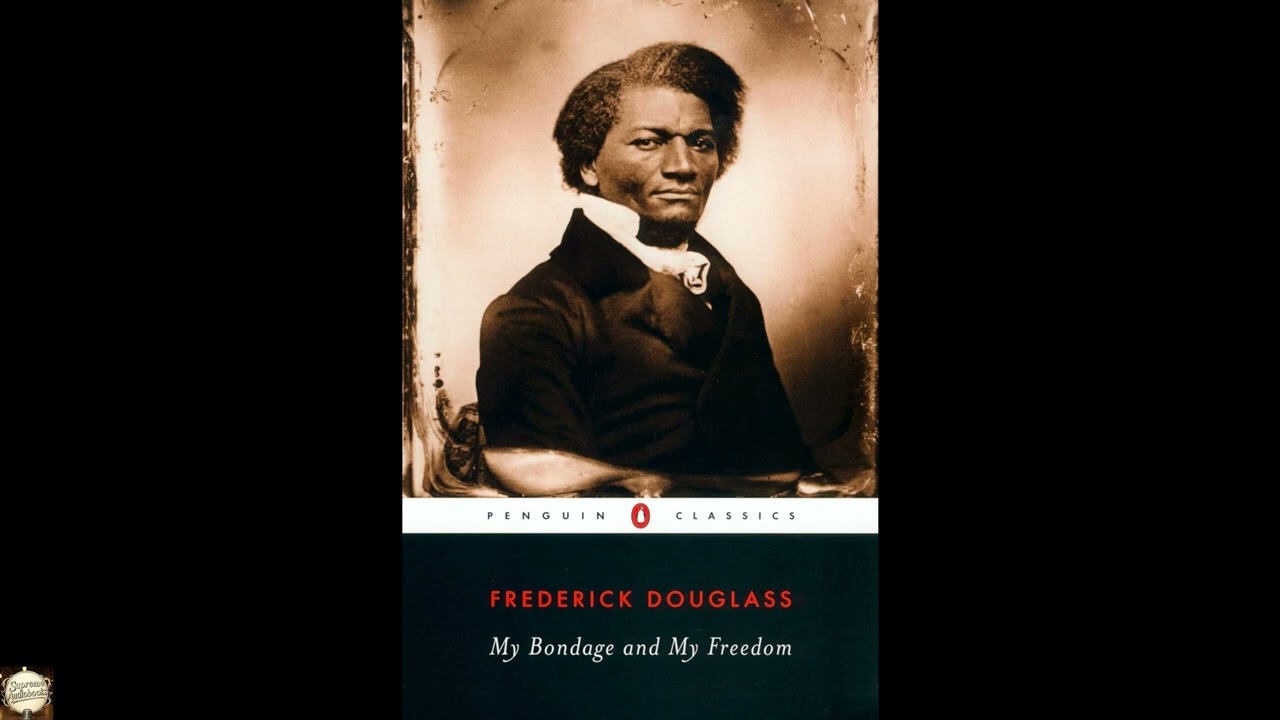
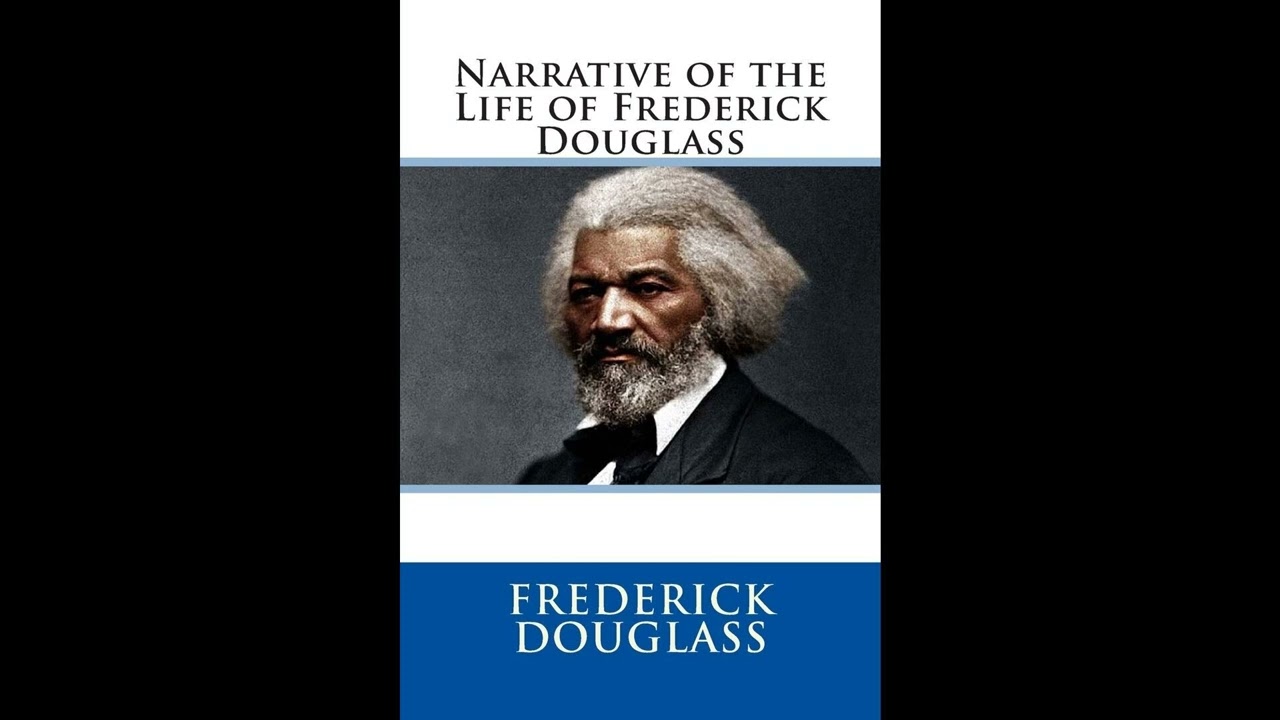
From the very first page, Frederick Douglass’s Narrative of the Life strikes with an unforgettable clarity, a searing testament to human endurance and the fierce desire for freedom. This is more than a historical document; it is a primal scream and a reasoned argument, a foundational text in American literature that continues to resonate with powerful urgency today. Douglass’s words cut through centuries of silence and obfuscation, offering an unvarnished look at the realities of slavery through the eyes of one who lived it, survived it, and ultimately transcended it. His story remains a vital touchstone for understanding not just the horrors of an institution, but also the enduring power of literacy, self-determination, and the fight for justice in any era. The story begins in the oppressive landscape of the antebellum South, specifically on the plantations of Maryland’s Eastern Shore, where Frederick Augustus Washington Bailey was born into bondage around 1818. From his earliest memories, he depicts a world defined by arbitrary cruelty, enforced ignorance, and the constant threat of violence. Children are separated from mothers, families torn apart, and human beings reduced to chattel. We meet the overseers and masters—Captain Anthony, Colonel Lloyd—who wield absolute power, their capricious nature dictating the meager existences of hundreds. Douglass recounts shocking scenes of brutality, such as the agonizing whipping of his Aunt Hester, which imprints on his young mind the true depravity of the system he was born into. His initial years are a blur of hard labor and profound hunger, but even amidst this degradation, a nascent awareness begins to form. A pivotal shift occurs when young Frederick is sent to Baltimore to live with the Auld family. Here, for the first time, he encounters a glimmer of hope and a profound new understanding: the power of literacy. Mrs. Sophia Auld, initially kind and unused to the customs of slaveholding, begins to teach him the alphabet. This brief period of instruction is abruptly halted by her husband, Master Hugh Auld, who understands that an educated slave is a dangerous slave. Hugh’s unwitting lesson—that knowledge is the pathway to freedom—ignites an unquenchable fire within Frederick. From that moment, he commits himself to learning, cunningly trading bread for lessons from white street children, secretly reading newspapers, and meticulously copying letters. This pursuit of knowledge becomes his secret weapon, slowly revealing the mechanics of his oppression and fueling his fervent longing to escape. Frederick Douglass, born Frederick Augustus Washington Bailey around 1818, emerged from the profound depths of American slavery to become one of the nation's most influential orators, writers, and abolitionist leaders. His birth in Talbot County, Maryland, marked the beginning of a life of involuntary servitude, yet his keen intellect and indomitable will charted a course toward freedom and immense societal impact. After successfully escaping bondage in 1838 by disguising himself as a sailor, he settled in New Bedford, Massachusetts, and adopted the surname Douglass to avoid recapture. His natural eloquence and powerful personal testimony quickly brought him to the attention of the abolitionist movement, and he soon became a prominent speaker for the Massachusetts Anti-Slavery Society. Douglass’s publication of Narrative of the Life in 1845 was a daring act; it made him famous but also put him at greater risk of capture, as it revealed details of his identity and escape. Despite the danger, he continued his activism, traveling to Great Britain and Ireland to lecture and garner international support for the anti-slavery cause. Upon his return, he bought his freedom and established his own abolitionist newspaper, The North Star, based in Rochester, New York, where he advocated not only for the emancipation of enslaved people but also for women’s suffrage and other civil rights. His later autobiographies, My Bondage and My Freedom (1855) and Life and Times of Frederick Douglass (1881), further expanded on his experiences and political philosophy, cementing his place as a towering figure in American letters and history until his death in 1895. The Narrative profoundly enacts the theme of literacy as liberation. Douglass’s secret education is a recurring motif, illustrated powerfully by Master Hugh Auld’s furious declaration that learning to read would "spoil" him as a slave and make him "unfit for any master." This moment, rather than deterring Frederick, confirms for him that knowledge is indeed the key to unlocking his chains. He systematically, often at great personal risk, gathers fragments of literacy—from discarded newspapers to dictionary pages—and pieces together an understanding of the world, gradually realizing the injustice of his condition and the path to freedom. This pursuit transforms him from an unthinking chattel into a conscious, resistant individual, demonstrating how the mind, once freed, cannot tolerate the bondage of the body. Another central theme is the dehumanizing effect of slavery on both the enslaved and the enslaver. Douglass meticulously details the physical and psychological torment inflicted upon those in bondage, stripping them of their identity and dignity. Yet, he also shows how the institution corrupts the moral fabric of slaveholders. The once-kind Mrs. Sophia Auld, initially a model of humanity, is gradually transformed by the power dynamic of slavery into a cruel and prejudiced mistress. Her descent into brutality serves as a chilling example of how absolute power erodes empathy and decency, highlighting that slavery’s victims included, in a different way, those who perpetuated it. Douglass also powerfully illustrates the theme of resistance and the assertion of agency, particularly in his pivotal fight with the brutal "slave-breaker" Edward Covey. After enduring months of starvation and beatings, Douglass resolves to fight back, describing the moment he physically resists Covey as the point where his "spirit was broken" but not his "manhood." This act of self-defense, though not leading directly to his escape, reinvigorates his sense of self-worth and fuels his determination to gain ultimate freedom. When Narrative of the Life of Frederick Douglass was published in 1845, America stood at a critical precipice. The decade preceding the Civil War was characterized by escalating tensions over slavery, with fierce debates raging in Congress and across the nation. The abolitionist movement, though still a minority voice, was gaining traction, fueled by impassioned speeches, newspaper editorials, and the burgeoning literary genre of the slave narrative. Pro-slavery advocates, conversely, churned out justifications for the institution, often depicting enslaved people as content, unintelligent, or even morally deficient, thereby denying their humanity. It was into this charged political and cultural landscape that Douglass’s book exploded, offering an undeniable, first-person counter-narrative. His account was groundbreaking because it not only detailed the brutality of slavery but also presented an articulate, intelligent, and deeply human voice that directly refuted the prevailing racist stereotypes. As an educated Black man speaking for himself, Douglass became a living testament to the capabilities and inherent dignity of enslaved people, providing crucial emotional and intellectual ammunition for the abolitionist cause at a time when such authentic testimony was desperately needed to sway public opinion and challenge the legal and moral underpinnings of slavery. Listening to Narrative of the Life of Frederick Douglass as an audiobook offers an immersive and profoundly moving experience that truly amplifies the power of his words. The several hours of narration unfold Douglass's story with an immediacy that reading alone might not capture, allowing his eloquent prose to wash over the listener, drawing them into the visceral reality of his past. Pay close attention to the deliberate pacing of the narrative, how it builds from childhood innocence to a searing awareness of injustice, punctuated by moments of despair and defiant hope. A skilled narrator can convey the various facets of Douglass’s voice—the quiet dignity, the righteous indignation, the intellectual clarity—bringing to life not just his personal anguish but also his powerful analytical insights. The atmosphere of the slave quarters, the deceptive calm of Baltimore, and the chilling commands of overseers take on a heightened resonance when heard aloud, making this vital piece of American history not just a study, but an experience.
Enjoyed Narrative of the Life of Frederick Douglass? A few ways to support us
Audible & Amazon links are affiliate; we may earn a small commission at no extra cost.
About this production
Human narration by a volunteer reader from LibriVox.org, the public-domain audiobook project. LibriVox volunteers record literary works whose copyright has expired in the United States, releasing the resulting recordings into the public domain.
Narrative of the Life of Frederick Douglass by Frederick Douglass. The underlying text is in the U.S. public domain. We do not republish any modern copyrighted edition, translation, or commentary.
The 4K cinematic visuals accompanying this audiobook are generated by an AI image model from prompts derived from the source text. No copyrighted photos, paintings, or stock footage are used. AI generation is disclosed on every video on our YouTube channel as required by YouTube's altered/synthetic content policy.
English subtitles are transcribed from the LibriVox recording with OpenAI Whisper. Translations into the 11 other supported languages are produced by Meta's NLLB-200 neural translation model. No human translator's copyrighted translation is used.
Questions about sourcing or rights? See our DMCA & Sourcing policy or contact us.
Enjoyed this audiobook?
If you'd like to own a copy of Narrative of the Life of Frederick Douglass or hear a professionally produced edition, the links below help support free audiobook production at no extra cost to you.
As an Amazon Associate we earn from qualifying purchases. Audible / print links are affiliate.