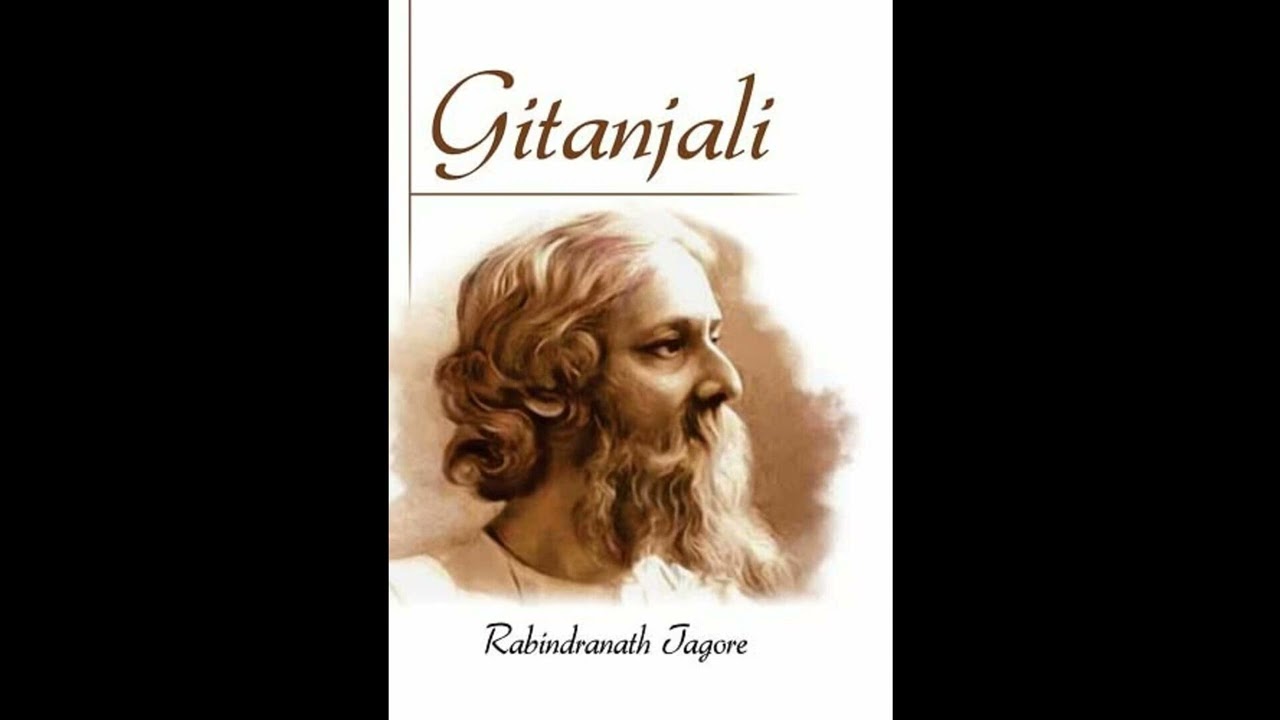
Gitanjali
Gitanjali, or "Song Offerings," presents an intimate conversation with the divine, a tender outpouring of the soul that transcends cultural and temporal boundaries. When Rabindranath Tagore's English translations appeared in 1912, they introduced a profound spiritual voice from India to a Western world eager for new perspectives on humanity and divinity. The book testifies to the enduring human search for meaning, connection, and peace, offering solace and inspiration. Its verses resonate with a universal longing for beauty, truth, and a deeper understanding of our place in the cosmic design, remaining as vital today as it was over a century ago. Rather than a traditional narrative, Gitanjali unfolds as a lyrical progression through devotional songs. The speaker, a humble devotee, moves through quiet contemplation, profound wonder, and moments of aching separation from the Divine Beloved. Settings shift from rain-swept clouds, blossoming flowers, and the silent night, to the inner landscape of heart and mind, where yearning and gratitude intertwine. We witness the speaker's surrender to a higher will, struggles with ego and worldly attachments, and a growing awareness of a spiritual presence pervading all existence. The central dynamic is the individual's effort to overcome the perceived distance from ultimate reality, seeking freedom from illusions and union with the divine. The poems' arc unfolds as an interior drama of spiritual awakening, not a story of external events. Initial verses touch upon creation's beauty and life's simple acts, gradually deepening into profound reverence and earnest prayer for divine grace. The speaker questions, yearns, and celebrates, employing metaphors of servant and master, lover and beloved, flute and player. This progression reveals a soul's purification and transformation, a path from outward observation to inward realization, culminating in unity and acceptance. The collection leaves the listener with peace and enlightened understanding, a quiet affirmation of the eternal in the everyday. Rabindranath Tagore (1861-1941) was a towering figure of Indian literature and culture, a polymath whose influence spanned poetry, prose, drama, music, art, and philosophy. Born into a prominent Bengali Brahmin family in Calcutta (now Kolkata), he grew up in an environment rich with intellectual and artistic pursuits that shaped his worldview. Largely self-taught despite brief formal schooling, Tagore absorbed knowledge from a vast family library and Bengal's cultural traditions. His early life engaged deeply with both Indian spiritual thought and Western intellectual currents, synthesizing these into his distinct creative expression. In 1913, Tagore received the Nobel Prize in Literature, the first non-European laureate, specifically for Gitanjali's "profoundly sensitive, fresh and beautiful verse." This global recognition brought him renown, enabling extensive travel to lecture and advocate for cultural exchange. Beyond Gitanjali, his prolific output includes over two thousand songs (national anthems for India and Bangladesh), novels like Gora and The Home and the World, numerous plays, essays on education and social reform, and visual art. He founded Visva-Bharati University at Santiniketan, an institution blending Eastern and Western learning for holistic development. Tagore's work stands at the forefront of the Bengal Renaissance, a pivotal figure in modern South Asian literary history. At its core, Gitanjali sings of devotion, a fervent divine love permeating every facet of existence. Tagore portrays this through imagery of a lover awaiting a beloved's touch, or a humble servant anticipating their master's command, such as the poet's desire to sweep the temple floor as an act of adoration. This spiritual yearning intertwines with nature. Changing seasons, a river's flow, morning light, and the quiet night sky are active participants in the speaker's spiritual unfolding, mirroring inner states and revealing God's presence in nature's smallest details. A dewdrop on a lotus leaf, for example, becomes a metaphor for divine beauty. Another key theme is the humility of the human condition and the seeking of grace. Tagore emphasizes the individual's smallness before the divine's immensity, yet celebrates each person's inherent worth and potential for spiritual connection. Images of a beggar pleading for alms or a tiny boat on a vast sea illustrate human reliance on divine mercy. This connects with freedom from attachment, urging surrender to life's flow and release from egoistic desires. The book enacts these ideas by redirecting the speaker's focus from worldly possessions and self-importance to the boundless love and wisdom of the universal spirit, offering a path to inner peace and liberation. Gitanjali emerged during significant upheaval in India. The late 19th and early 20th centuries saw British colonial rule, rising Indian nationalism, and a fervent desire for cultural assertion. The Bengal Renaissance, a vibrant intellectual movement, sought to revitalize Indian arts, literature, and philosophy by engaging with Western ideas while celebrating indigenous traditions. Tagore, rooted in Bengali culture yet possessing a global outlook, led this renaissance. His work provided a spiritual anchor and cultural beacon as India grappled with its identity. Gitanjali's English appearance, Tagore's own translation, was impactful, offering the West a nuanced spiritual perspective that challenged colonial stereotypes and fostered appreciation for Indian thought. It resonated with a world seeking spiritual answers beyond material progress. To hear Gitanjali rendered aloud is to experience its poems as they were intended – as songs, utterances breathed into existence. The rhythmic cadences and lyrical flow of Tagore's verses, even in translation, gain new dimension when voiced by a skilled narrator. The several-hour run length allows for deeply contemplative engagement, an extended meditation rather than a quick read. Listeners can let subtle shifts in tone, profound quiet passages, and emotional resonance wash over them, creating an immersive atmosphere. A sensitive narration highlights the underlying musicality, tender pathos, and soaring spiritual joy, transforming solitary reading into a shared, sacred listening experience that invites introspection and deeper connection to universal themes.
Enjoyed Gitanjali? A few ways to support us
Audible & Amazon links are affiliate; we may earn a small commission at no extra cost.
About this production
Human narration by a volunteer reader from LibriVox.org, the public-domain audiobook project. LibriVox volunteers record literary works whose copyright has expired in the United States, releasing the resulting recordings into the public domain.
Gitanjali by Rabindranath Tagore. The underlying text is in the U.S. public domain. We do not republish any modern copyrighted edition, translation, or commentary.
The 4K cinematic visuals accompanying this audiobook are generated by an AI image model from prompts derived from the source text. No copyrighted photos, paintings, or stock footage are used. AI generation is disclosed on every video on our YouTube channel as required by YouTube's altered/synthetic content policy.
English subtitles are transcribed from the LibriVox recording with OpenAI Whisper. Translations into the 11 other supported languages are produced by Meta's NLLB-200 neural translation model. No human translator's copyrighted translation is used.
Questions about sourcing or rights? See our DMCA & Sourcing policy or contact us.
Enjoyed this audiobook?
If you'd like to own a copy of Gitanjali or hear a professionally produced edition, the links below help support free audiobook production at no extra cost to you.
As an Amazon Associate we earn from qualifying purchases. Audible / print links are affiliate.