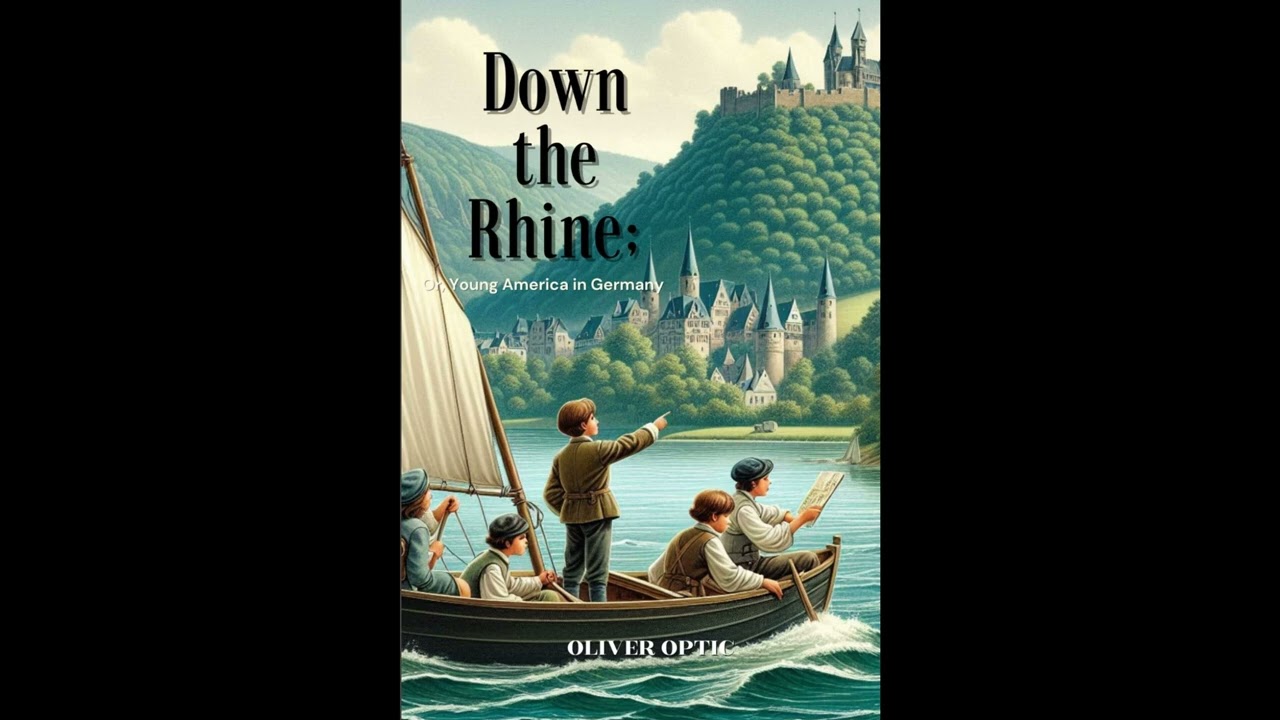
Down the Rhine Or, Young America in Germany: Annotated
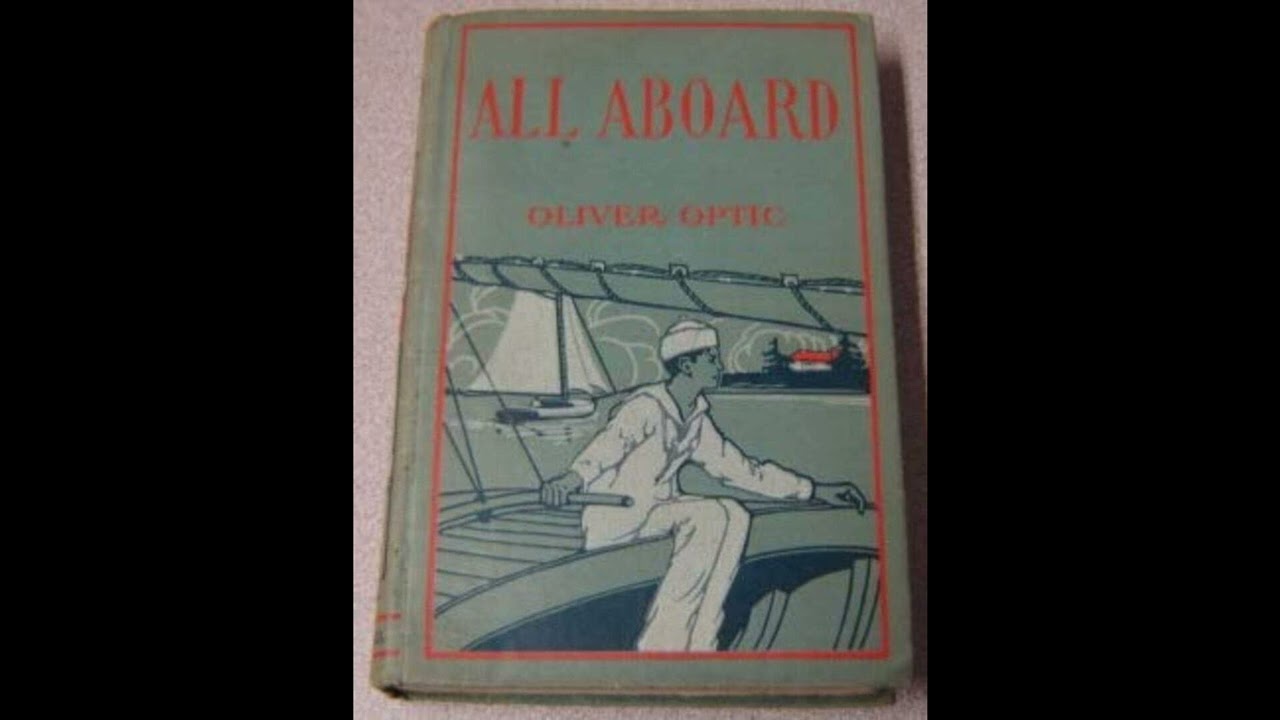
"Down the Rhine Or, Young America in Germany: Annotated" by Oliver Optic offers more than just an old-fashioned travelogue. It is a portal to a bygone era, a lively and perceptive account of American youth encountering the wonders and perplexities of nineteenth-century Europe. This classic piece of literature, presented here in an annotated edition, invites listeners to experience the thrill of cultural discovery through the eyes of its youthful protagonists. In a world still grappling with global understanding, Optic’s observations on national character, personal growth, and the pursuit of knowledge resonate powerfully, reminding us that the lessons learned on foreign soil are often the most profound. It is a coming-of-age narrative wrapped in a grand European adventure, as relevant for its insights into human nature and cultural exchange today as it was over a century ago. The story introduces us to a spirited group of young Americans—Frank Hargrave, Ben Stubbs, and their friends—who, fresh from their studies, set out for a grand tour of Germany. Their mission is not merely leisure; it is an educational expedition, a chance to broaden their horizons beyond the familiar landscapes of their burgeoning nation. From the bustling port cities to the tranquil villages nestled along the legendary Rhine River, they are plunged into a world of unfamiliar customs, languages, and historical legacies. The early chapters establish their youthful exuberance and occasional naivete as they navigate the complexities of European travel, often finding themselves in humorous predicaments born of cultural misunderstandings or their own impulsive decisions. As their steamboat glides past ancient castles and vineyards, the young travelers encounter a colorful array of characters—dignified professors, boisterous students, and stoic locals—each interaction adding to their growing understanding of German life. Their primary focus, however, remains the Rhine itself, a waterway steeped in history and folklore, a silent witness to centuries of European drama. Through their observations and conversations, the boys begin to shed their initial provincialism, recognizing both the universalities of human experience and the unique characteristics that define different peoples. They are challenged to adapt, to learn, and to grow, facing moments of mild peril and moral dilemma that test their nascent independence and the bonds of their friendship. The narrative carefully builds towards a deeper appreciation for the world around them, culminating not in a dramatic climax but in a maturation of perspective that defines their journey. "Oliver Optic" was the pen name of William Taylor Adams, a prolific and influential American author born in 1822. Adams began his professional life not as a writer but as an educator, serving as a schoolmaster in Boston for two decades. This background undeniably shaped his literary output, as his stories consistently championed moral uprightness, diligent study, and industriousness—values he instilled in his students. His career as a writer truly took flight in the mid-1850s, and by the 1860s, he had become one of America's most widely read authors of juvenile fiction. Adams possessed an extraordinary ability to connect with young readers, offering them narratives that blended adventure and instruction in equal measure. His output was prodigious, often publishing several books a year across multiple popular series. Listeners familiar with American children's literature will likely recognize titles such as The Boat-Club Series, which chronicled the escapades of a group of boys and their beloved vessels, or The Army and Navy Series, which introduced young readers to tales of courage and duty. He also penned The Starry Flag Series and many others, establishing himself as a foundational figure in the development of American children's literature. Adams's works, including Down the Rhine, were instrumental in shaping the reading habits and moral compasses of generations of American youth before his passing in 1897. He was a pioneer in creating engaging, character-driven stories specifically for a young audience, moving beyond purely didactic texts to entertain while subtly educating. One of the central themes running through Down the Rhine is education through experience. The young Americans are not merely tourists; they are students of life, constantly learning from their surroundings. Optic shows this through scenes where the boys grapple with German grammar, attempt to decipher local customs, or observe historical landmarks. For instance, their initial struggle to order a simple meal without a German dictionary highlights the practical application of language learning, while their awe at the Cologne Cathedral sparks discussions about architectural history and spiritual devotion. Each challenge and discovery serves as a lesson, reinforcing the idea that true understanding comes from direct engagement with the world, not just from textbooks. Another prominent theme is the formation of national identity against a foreign backdrop. The "Young America" in the subtitle is crucial. As the boys compare German traditions to American ones, they implicitly define what it means to be American—often with a sense of pride, but also with growing humility and a recognition of differences. A scene where they discuss the contrasting political systems of America and the various German states, for example, allows Optic to present nascent American democratic ideals while also acknowledging the complex historical forces shaping Europe. This interplay between the familiar and the foreign fosters a deeper appreciation for their homeland, while simultaneously broadening their worldview beyond it. The book also touches upon moral development, as the characters face decisions that test their integrity and foster a sense of responsibility, typical of Optic's oeuvre. Down the Rhine emerged from a fascinating period in American history, published in 1869, just a few years after the conclusion of the Civil War. America was in a phase of rapid expansion and self-definition, looking outward with a new confidence while simultaneously grappling with its internal divisions. There was a burgeoning interest in European travel, fueled by increased affluence and a desire among Americans to see the "old world" for themselves, to measure their young nation against the ancient cultures across the Atlantic. This era saw a significant increase in travel literature, guidebooks, and narratives like Optic's, which catered to this growing curiosity. Culturally, the late nineteenth century was a time when notions of self-improvement and moral virtue held significant sway, particularly in literature aimed at young people. Authors like Oliver Optic provided stories that not only entertained but also subtly imparted lessons on conduct, patriotism, and the value of hard work. In the literary world, juvenile fiction was gaining legitimacy and a dedicated audience, moving away from purely religious or overtly didactic forms towards more adventurous and character-driven narratives. Optic was at the forefront of this shift, creating tales that allowed young readers to vicariously experience adventure and personal growth, making his travel narratives particularly resonant with the post-war generation eager for new horizons. To experience Down the Rhine Or, Young America in Germany: Annotated as an audiobook is to gain immediate access to its lively spirit and educational insights. The right narrator transforms the descriptive passages into vivid landscapes, bringing the castles, riverbanks, and bustling German towns to life with nuanced vocal performance. Listeners can savor the pacing of the narrative, allowing the adventure to unfold organically, whether during a morning stroll or a quiet evening at home. The "several hours" run time makes it a perfect companion for longer commutes or a series of thoughtful listening sessions. A skilled voice actor will differentiate the various young American characters, capturing their youthful enthusiasm, their moments of confusion, and their growing maturity, making their observations on German culture all the more immediate. The annotations, delivered seamlessly within the narration, offer valuable historical and cultural context without interrupting the story's flow, enriching the listening experience and ensuring that the listener understands the nuances of Optic's nineteenth-century perspectives. It is a chance to not just hear a story, but to truly immerse oneself in a different time and place.
Enjoyed Down the Rhine Or, Young America in Germany: Annotated? A few ways to support us
Audible & Amazon links are affiliate; we may earn a small commission at no extra cost.
About this production
Human narration by a volunteer reader from LibriVox.org, the public-domain audiobook project. LibriVox volunteers record literary works whose copyright has expired in the United States, releasing the resulting recordings into the public domain.
Down the Rhine Or, Young America in Germany: Annotated by Oliver Optic. The underlying text is in the U.S. public domain. We do not republish any modern copyrighted edition, translation, or commentary.
The 4K cinematic visuals accompanying this audiobook are generated by an AI image model from prompts derived from the source text. No copyrighted photos, paintings, or stock footage are used. AI generation is disclosed on every video on our YouTube channel as required by YouTube's altered/synthetic content policy.
English subtitles are transcribed from the LibriVox recording with OpenAI Whisper. Translations into the 11 other supported languages are produced by Meta's NLLB-200 neural translation model. No human translator's copyrighted translation is used.
Questions about sourcing or rights? See our DMCA & Sourcing policy or contact us.
Enjoyed this audiobook?
If you'd like to own a copy of Down the Rhine Or, Young America in Germany: Annotated or hear a professionally produced edition, the links below help support free audiobook production at no extra cost to you.
As an Amazon Associate we earn from qualifying purchases. Audible / print links are affiliate.