About Oliver Optic
For generations of young readers in the late 19th century, few names resonated with the promise of adventure and moral guidance as much as Oliver Optic. The pen name of William Taylor Adams, he was born on July 16, 1822, in Medway, Massachusetts, and died in Dorchester, Massachusetts, on March 27, 1897, leaving behind an enormous body of work.
Adams began his career as an educator, starting to teach at just nineteen years old. He spent over two decades in the Boston public school system, serving as a master in various grammar schools. This direct engagement with young people profoundly shaped his understanding of their interests and the educational values he would later impart through his stories.
His entry into the literary world began while still teaching, when he recognized a significant demand for wholesome and engaging literature for boys. He first published under the “Oliver Optic” pseudonym in periodicals like Ballou’s Pictorial, where his stories quickly gained popularity. This burgeoning market for juvenile fiction allowed authors like Adams to flourish, publishing serials in magazines before collecting them into popular book series. His first major success, The Boat Club, appeared in 1855, establishing his signature blend of outdoor adventure and upright character development.
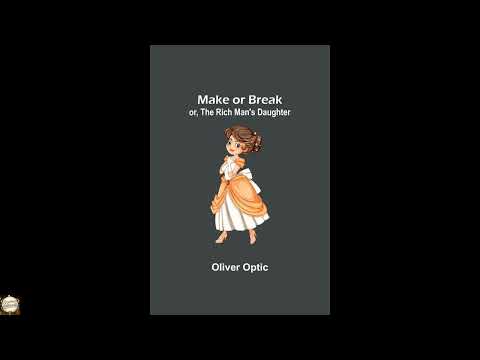
Optic became one of the most prolific authors of his era, penning over one hundred books. His “Boat Club” series, which introduced readers to a world of camaraderie and aquatic exploits, set a template for many of his subsequent narratives. In Stand By The Union, he presented a patriotic account of a young man’s experiences during the Civil War, while Make or Break; or, The Rich Man's Daughter presented a tale of shifting fortunes and romantic entanglement. His “Young America Abroad” series, including titles like Down the Rhine; or, Young America in Germany, provided armchair travel, transporting readers to distant lands and cultures. Similarly, Down South – or, Yacht Adventure in Florida offered a thrilling expedition through the American landscape. He also addressed contemporary social issues, as seen in Desk and Debit; or, The Catastrophes of a Clerk, which chronicled the trials of a young man navigating the complex business world.
A recurrent strength in Optic’s writing was his ability to combine exciting plots with clear moral instruction. His stories consistently championed values such as self-reliance, perseverance, honesty, and industry. He often presented protagonists who, through hard work and good character, overcame adversity and achieved success—a theme particularly evident in his "working up" stories, which illustrated how boys from modest backgrounds could rise in the world. For instance, the challenges faced by the protagonist in Desk and Debit are overcome not through luck, but through steadfastness and diligence, offering a model of conduct for his young audience.
Oliver Optic was instrumental in defining the genre of boys' adventure stories in the latter half of the 19th century. His immense popularity and systematic approach to character development and plot construction influenced countless authors who followed, setting a standard for moralistic yet entertaining juvenile fiction. He helped establish a literary tradition that prepared young readers for the responsibilities of adulthood while providing them with thrilling escapes.
Through his tales of spirited youth, daring travels, and hard-earned triumphs, Oliver Optic's voice still speaks with clarity and purpose, inviting new generations to discover the enduring appeal of his stories as free audiobooks today.
More on Wikipedia →