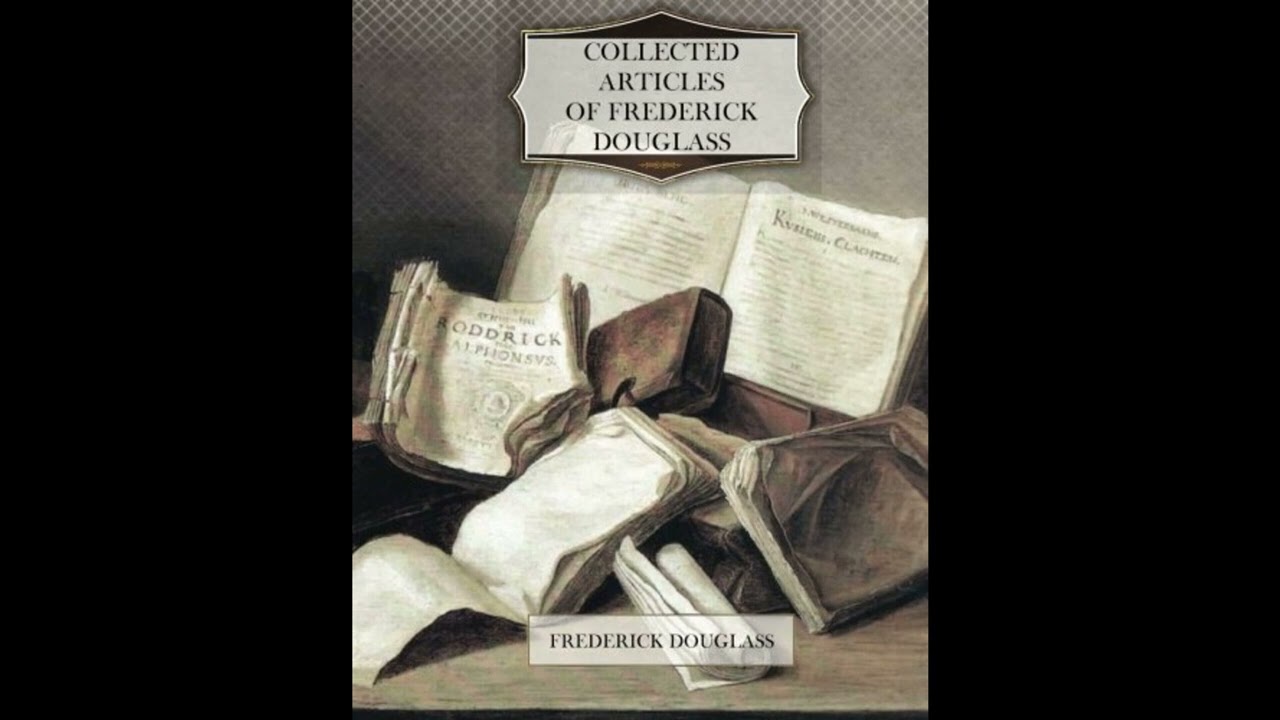
Collected Articles of Frederick Douglass
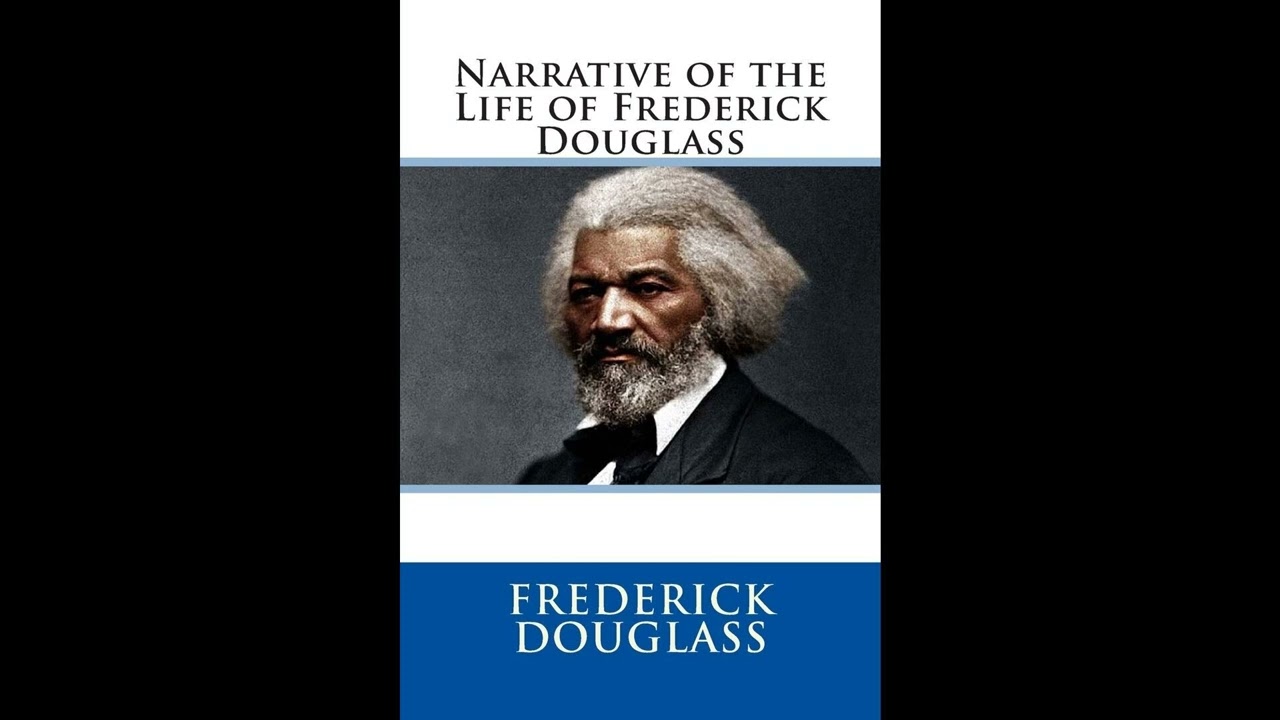
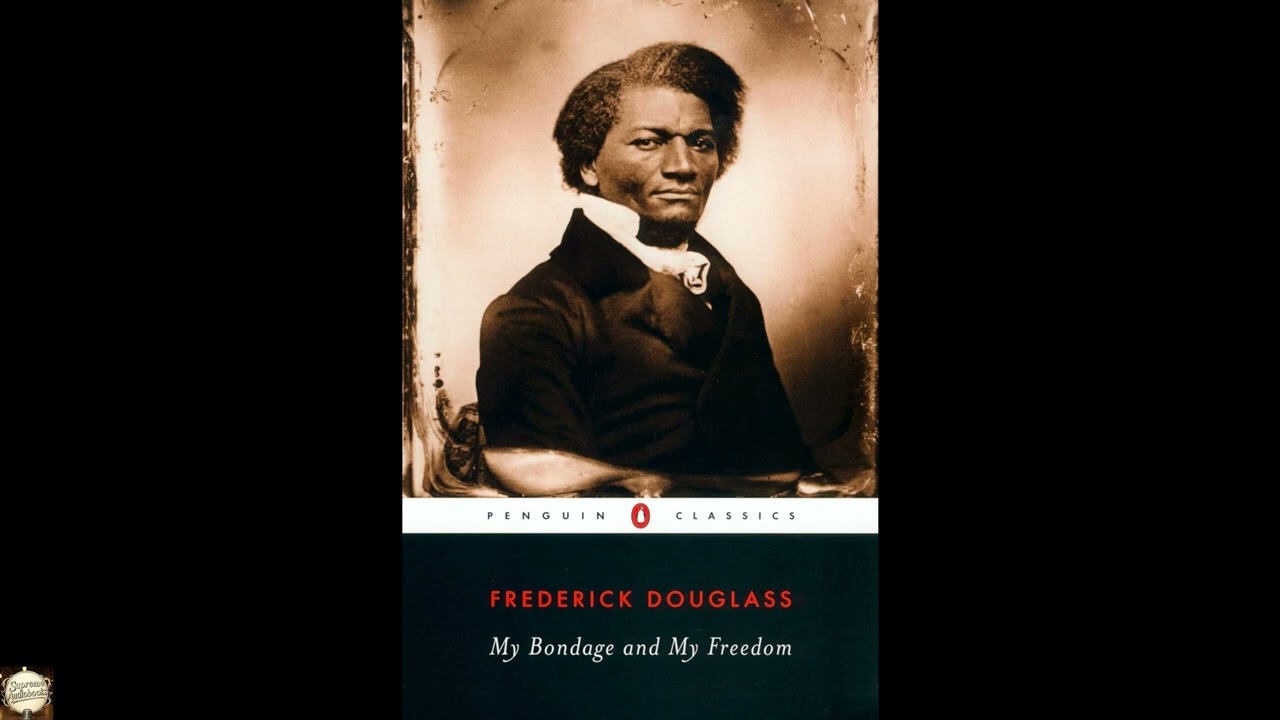
Step into the crucible of nineteenth-century American thought with a collection of powerful articles from one of history's most compelling voices, Frederick Douglass. This indispensable volume brings together the speeches, essays, and editorials that fueled the abolitionist movement, shaped the discourse on civil rights, and continue to resonate with urgent clarity in our own time. Listeners encounter the raw truth of an era defined by profound moral conflict and the unwavering courage of those who dared to challenge its injustices. More than just historical documents, these pieces are a vital lesson in rhetoric, resilience, and the relentless pursuit of freedom, offering a direct conduit to the intellectual and emotional landscape of a nation struggling to define itself. Within these articles, listeners follow the evolution of Douglass’s arguments as he confronts the pervasive evil of slavery and, later, the systemic racism that persisted after emancipation. The setting moves from the brutal plantation fields of Maryland, where Douglass endured the horrors of bondage, to the intellectual ferment of Northern abolitionist circles, and eventually to the halls of power in post-Civil War Washington D.C. The central conflict is the stark contrast between the ideals of American liberty and the reality of human enslavement, a struggle Douglass articulates with unparalleled precision and passion. He stands as the primary "character," a self-emancipated man who transforms himself into a formidable orator and writer, using his personal experience and keen intellect to dismantle the justifications for oppression. The collection's arc traces the shifting battlegrounds of the fight for equality. Initially, Douglass’s focus is on exposing the barbarity of slavery and urging its immediate abolition, often countering the arguments of those who advocated for gradual change or colonization. As the nation hurtled towards civil war, his articles championed the cause of the Union, making persuasive arguments for the enlistment of Black soldiers and highlighting the moral imperative of a war fought to end slavery. After the war, his attention pivoted to the difficult work of Reconstruction, advocating for voting rights, economic justice, and full citizenship for newly freed Black Americans, confronting the insidious rise of Jim Crow segregation and the enduring prejudice that threatened to undermine the gains of abolition. It is an arc of continuous struggle, demonstrating a life dedicated to the complete realization of human dignity. Frederick Douglass, born into slavery around 1818 on a Maryland plantation, transcended his origins to become a towering figure in American history. His early life was marked by the pervasive cruelty of the slave system, including separation from his mother, the trauma of witnessing violence, and the constant threat of sale. A pivotal turning point came with his self-education, secretly learning to read and write—an act of profound defiance that he recognized as a pathway to freedom. After a daring escape in 1838, he made his way to New York and then New Bedford, Massachusetts, where he began his new life as a free man. His powerful testimonies at anti-slavery meetings quickly brought him to prominence as an eloquent speaker, captivating audiences with his firsthand accounts and incisive analysis. Douglass’s career as an activist and intellectual flourished. He became a leading voice in the abolitionist movement, not only through his electrifying speeches but also as an influential journalist and editor. He founded and edited several newspapers, most notably The North Star, which served as a crucial platform for his articles and the broader cause of racial justice. Beyond his journalistic endeavors, he authored three autobiographies, starting with the widely acclaimed Narrative of the Life of Frederick Douglass, an American Slave (1845), which solidified his place in American literature. His life was a testament to the power of self-determination, intelligence, and unwavering moral courage, making him a central figure in the literary and political landscape of the nineteenth century. He continued to advocate for civil rights, women’s suffrage, and social justice until his death in 1895, serving as an enduring symbol of American resilience. This collection of articles powerfully enacts several core themes, none more central than the transformative power of literacy and self-education. Douglass repeatedly illustrates how the acquisition of reading and writing skills, often obtained at great personal risk, was not merely an intellectual pursuit but an act of liberation itself. His secret lessons from the children of his master's wife, or his diligent study of The Columbian Orator, provided him with the tools to articulate his own bondage and challenge the very system that sought to keep him ignorant. He understood that literacy broke the chains of mental slavery, allowing the enslaved to conceptualize freedom and strategize for its attainment. Another profound theme running through these pieces is the piercing critique of American hypocrisy. Douglass, with biting eloquence, often contrasted the nation’s foundational principles of liberty and equality, as enshrined in documents like the Declaration of Independence, with the grotesque reality of chattel slavery and racial prejudice. His famous 1852 Fourth of July speech, "What to the Slave is the Fourth of July?", serves as a prime example, where he refused to celebrate a holiday that mocked the suffering of millions. He meticulously exposed how religious institutions and political rhetoric were co-opted to justify the unjust, forcing his audience to confront the glaring contradictions at the heart of their society. He showed that true patriotism required an honest reckoning with national sins. These articles emerged from a period of intense social and political upheaval in the United States. The decades leading up to the Civil War were dominated by the escalating debate over slavery, with the abolitionist movement gaining momentum and moral force. Douglass's writings were published as pamphlets, newspaper editorials, and delivered as speeches, often reproduced in the burgeoning popular press, serving as critical tools in shaping public opinion. His direct, eloquent testimony provided a counter-narrative to the dehumanizing depictions of Black people prevalent in much of popular culture, offering irrefutable evidence of the intelligence, humanity, and moral righteousness of the enslaved. Following the Civil War, his voice remained vital as the nation grappled with the challenges of Reconstruction. His articles from this era reflect the ongoing struggle for racial justice in the face of widespread prejudice, violence, and the political machinations that sought to strip newly freed Black Americans of their rights. Culturally, the era also saw the rise of distinct African American literary voices and the growth of Black-owned newspapers, cementing the importance of print media as a platform for advocacy and community building. Douglass's work stands as a monumental achievement of persuasive rhetoric, born from the urgent need to dismantle oppression and define the meaning of freedom for all Americans. Listening to the "Collected Articles of Frederick Douglass" as an audiobook offers a unique and profoundly immersive experience. The very nature of Douglass's writing—often rooted in his powerful oratorical style—lends itself perfectly to the spoken word. A skilled narrator brings forth the thunderous conviction of his arguments, the poignant sorrow of his early reflections, and the unyielding moral clarity that defined his public life. The several hours of listening allow for a deep, unhurried engagement with his evolving thought, capturing the subtle shifts in tone and emphasis across different historical moments. Listen for the deliberate pacing, the resonance of key phrases, and the underlying passion in the narrator's voice, which can transport you directly into the intense intellectual debates and moral crises of the nineteenth century, making Douglass's words feel as immediate and vital as they did when first uttered or penned.
Enjoyed Collected Articles of Frederick Douglass? A few ways to support us
Audible & Amazon links are affiliate; we may earn a small commission at no extra cost.
About this production
Human narration by a volunteer reader from LibriVox.org, the public-domain audiobook project. LibriVox volunteers record literary works whose copyright has expired in the United States, releasing the resulting recordings into the public domain.
Collected Articles of Frederick Douglass by Frederick Douglass. The underlying text is in the U.S. public domain. We do not republish any modern copyrighted edition, translation, or commentary.
The 4K cinematic visuals accompanying this audiobook are generated by an AI image model from prompts derived from the source text. No copyrighted photos, paintings, or stock footage are used. AI generation is disclosed on every video on our YouTube channel as required by YouTube's altered/synthetic content policy.
English subtitles are transcribed from the LibriVox recording with OpenAI Whisper. Translations into the 11 other supported languages are produced by Meta's NLLB-200 neural translation model. No human translator's copyrighted translation is used.
Questions about sourcing or rights? See our DMCA & Sourcing policy or contact us.
Enjoyed this audiobook?
If you'd like to own a copy of Collected Articles of Frederick Douglass or hear a professionally produced edition, the links below help support free audiobook production at no extra cost to you.
As an Amazon Associate we earn from qualifying purchases. Audible / print links are affiliate.