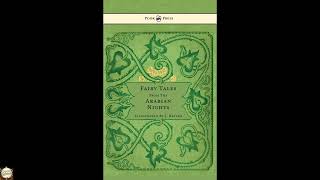
Arabian Nights: The Thousand and One Nights
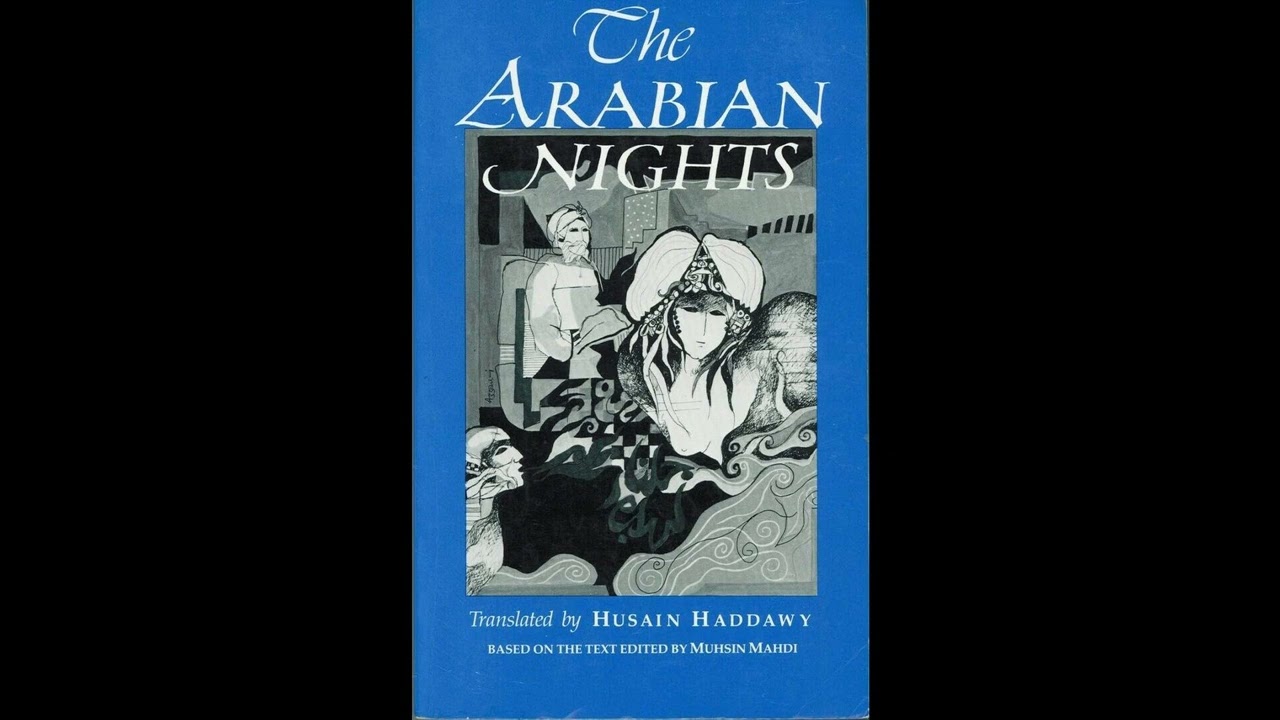
Imagine a world where words hold the power of life and death, where a single story can alter the course of fate, and where enchantment hides in every shadow. This is the world of Arabian Nights: The Thousand and One Nights, a foundational work of global literature that has whispered its secrets across continents and centuries. Far from being merely a collection of fantastical fables, these stories are a profound testament to human ingenuity, resilience, and the enduring magic of narrative. They offer not just escape into lands of jinns and flying carpets, but also deep reflections on justice, love, betrayal, and the very nature of storytelling itself, making them as relevant and compelling today as they were when first recounted. The central drama unfolds in the ancient courts of Persia, where the powerful King Shahryar reigns. Consumed by rage and despair after discovering his first wife's profound infidelity, he decrees a horrific ritual: he will marry a new virgin each evening and execute her by dawn, believing all women to be deceitful. This reign of terror casts a dark pall over the kingdom, until the courageous and intelligent Scheherazade, the vizier's daughter, volunteers to be his next bride. On her wedding night, she begins to tell the King a story, pausing at a crucial juncture just as day breaks. Intrigued and desperate to hear the ending, Shahryar spares her life for one more night. This ingenious strategy forms the grand frame for hundreds of tales. For one thousand and one nights, Scheherazade weaves a continuous narrative, interlocking stories within stories, introducing a vast cast of characters from humble fishermen to mighty caliphs, cunning merchants to mythical creatures. Her narratives transport Shahryar to bustling marketplaces in Baghdad, desolate deserts, and opulent palaces, populated by figures like Sindbad the Sailor, Aladdin, and Ali Baba. Each tale she tells is designed not only to entertain but to subtly educate, to offer moral lessons, to illustrate the complexities of human nature, and ultimately, to soften the King's hardened heart, slowly curing him of his bitterness and restoring his faith in humanity. The suspense of her nightly cliffhangers keeps the king captivated, and listeners will find themselves equally ensnared by her remarkable talent. The Thousand and One Nights is not the singular creation of one author, but rather a grand edifice built across centuries and cultures, a testament to the collective imagination of the Middle East, South Asia, and North Africa. Its earliest roots are believed to lie in ancient Persian and Indian folklore, with elements traceable back to the 9th century and earlier. Over time, these disparate tales were gathered, embellished, and augmented in Arabic, particularly during the Islamic Golden Age. Cairo and Damascus became centers for scribes and storytellers, who added new narratives, often drawing from local traditions and historical events, eventually shaping the collection into something resembling the form known today. Husain Haddaway, a distinguished contemporary scholar and translator, undertook the formidable task of bringing this sprawling oral tradition into a definitive English text. His highly regarded 1990 translation, published by W.W. Norton, is celebrated for its fidelity to the oldest extant Arabic manuscripts, particularly a 14th-century Syrian text. Haddaway's meticulous scholarship ensures an authentic rendering of the original spirit and literary quality, allowing modern readers to experience these ancient stories with precision and elegance. At its core, this collection underscores the remarkable power of narrative itself. Scheherazade's survival hinges entirely on her ability to tell stories, demonstrating how a compelling tale can not only entertain but also heal, transform, and even save lives. Beyond this meta-narrative, themes of justice and redemption resonate throughout the diverse narratives. King Shahryar's transformation from a cruel despot to a just ruler is a central arc, mirrored in many sub-stories where characters face moral dilemmas, receive their just deserts, or find unexpected mercy. The distinction between fate and free will is another recurring motif, as characters navigate predetermined destinies alongside moments where their own cleverness or virtue determines their outcome, often with surprising twists. These narratives also consistently highlight the importance of wisdom, compassion, and the dangers of unchecked power or greed. These magnificent tales emerged from a period of unparalleled intellectual and cultural blossoming across the Middle East, roughly coinciding with the Islamic Golden Age from the 8th to the 13th centuries CE. This was an era of vast empires and flourishing trade routes, connecting India, Persia, Arabia, and beyond. Cities like Baghdad, Damascus, and Cairo became vibrant hubs for scholarship, poetry, science, and, crucially, storytelling. It was a time when oral tradition reigned supreme, and professional storytellers, known as hakawati, entertained crowds in coffeehouses and markets, passing down these narratives. The written collection grew organically from this rich oral tradition, a cultural melting pot where fables, historical anecdotes, love poems, and cautionary tales were exchanged and adapted, reflecting the diverse influences of a cosmopolitan world that prized learning and artistic expression. To hear these tales unfold as an audiobook is to return to the very essence of storytelling. An accomplished narrator breathes life into Scheherazade’s melodic voice, bringing an entire kingdom of diverse characters—from wise sultans to mischievous jinns, courageous heroes to sly villains—into vivid auditory existence. The "several hours" runtime makes it an ideal companion for long drives, peaceful evenings, or even fragmented listening sessions, allowing the listener to truly immerse themselves in the rhythm and flow of the narratives, just as King Shahryar was nightly entranced. Pay attention to how the narrator shifts tone and cadence for different characters and emotional registers, creating an intimate, atmospheric experience that transcends simply reading words on a page, making the ancient magic of The Thousand and One Nights profoundly immediate and real.
Enjoyed Arabian Nights: The Thousand and One Nights? A few ways to support us
Audible & Amazon links are affiliate; we may earn a small commission at no extra cost.
About this production
Human narration by a volunteer reader from LibriVox.org, the public-domain audiobook project. LibriVox volunteers record literary works whose copyright has expired in the United States, releasing the resulting recordings into the public domain.
Arabian Nights: The Thousand and One Nights by Husain Haddaway. The underlying text is in the U.S. public domain. We do not republish any modern copyrighted edition, translation, or commentary.
The 4K cinematic visuals accompanying this audiobook are generated by an AI image model from prompts derived from the source text. No copyrighted photos, paintings, or stock footage are used. AI generation is disclosed on every video on our YouTube channel as required by YouTube's altered/synthetic content policy.
English subtitles are transcribed from the LibriVox recording with OpenAI Whisper. Translations into the 11 other supported languages are produced by Meta's NLLB-200 neural translation model. No human translator's copyrighted translation is used.
Questions about sourcing or rights? See our DMCA & Sourcing policy or contact us.
Enjoyed this audiobook?
If you'd like to own a copy of Arabian Nights: The Thousand and One Nights or hear a professionally produced edition, the links below help support free audiobook production at no extra cost to you.
As an Amazon Associate we earn from qualifying purchases. Audible / print links are affiliate.