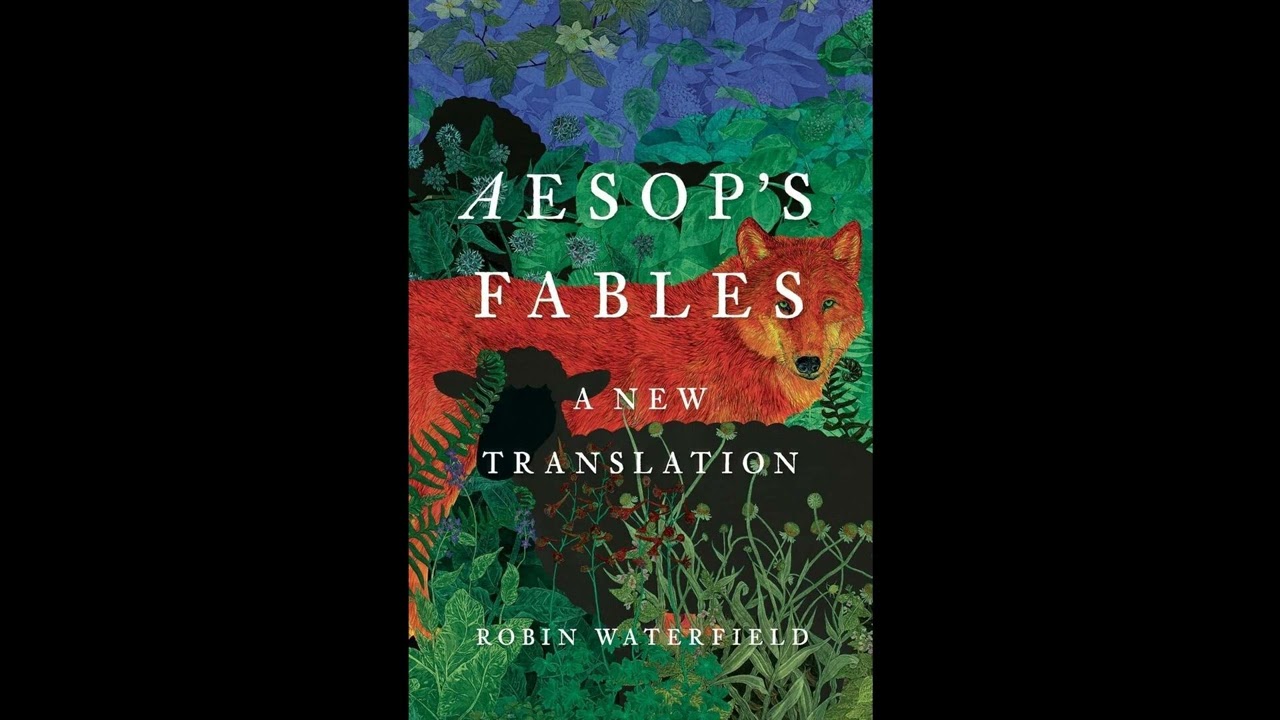
Aesop's Fables: A New Translation
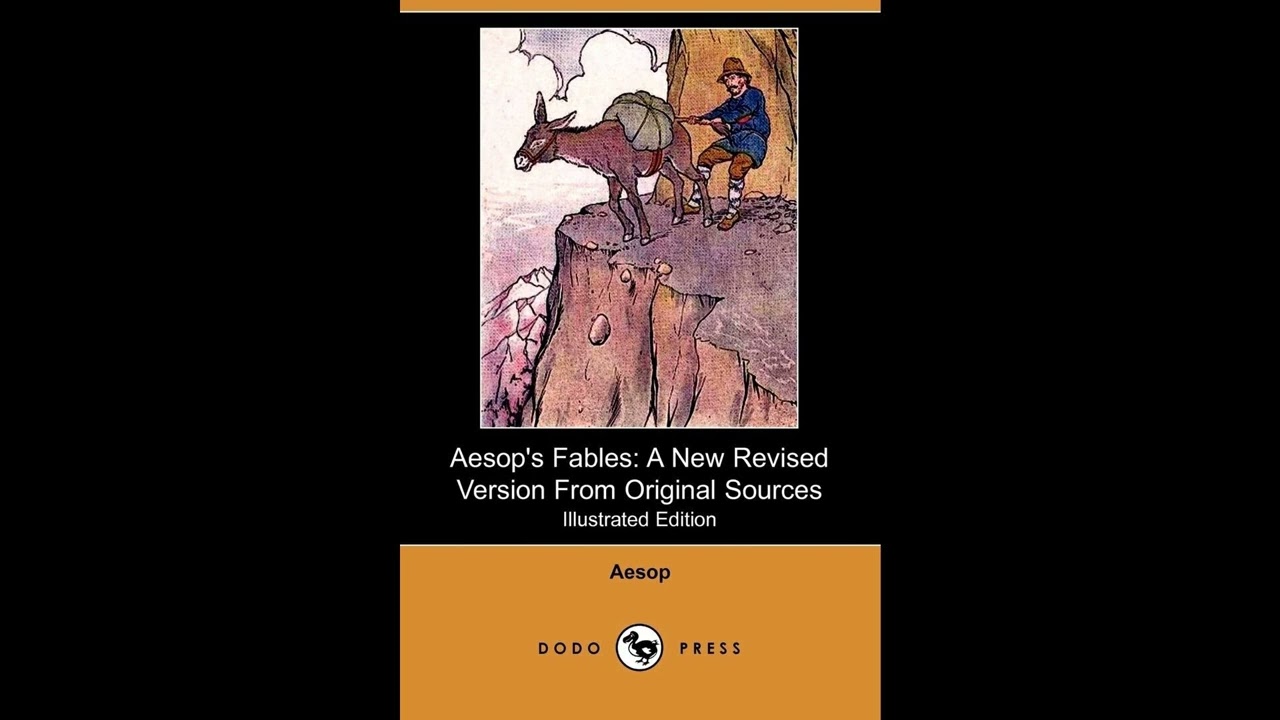
For centuries, the wisdom of the world has been distilled into brief, potent tales, none more renowned or influential than those attributed to Aesop. These aren't just children's stories; they are the bedrock of moral instruction, cultural understanding, and even political discourse, echoing from ancient Greek agora to modern boardrooms. Aesop's Fables: A New Translation offers listeners an opportunity to reconnect with these foundational narratives, presenting them with fresh clarity and resonance. Forget the dusty schoolroom texts; here are the very roots of storytelling, still vital and astonishingly relevant, offering keen insights into human nature that transcend time and place, proving that the most profound truths can often be found in the simplest of parables. The "plot" of an Aesop's Fable is a miniature drama, typically featuring anthropomorphic animals, sometimes gods, or even inanimate objects, who embody human virtues and vices. Each story presents a simple scenario: a Fox attempting to reach some high-hanging grapes, a Lion showing mercy to a Mouse, a Shepherd Boy prone to mischief. A conflict or dilemma arises from the characters' distinct natures or a twist of fate, leading to an inevitable consequence. The narrative arc is swift and direct, establishing a situation, revealing an interaction, and concluding with a clear outcome. The beauty lies in their brevity and the straightforward cause-and-effect structure that makes the moral unmistakable without being overly didactic. Listeners will encounter a vast array of characters: the proud and swift Hare, the slow but persistent Tortoise; the cunning Fox, often outwitted by his own guile; the industrious Ant, contrasted with the carefree Grasshopper. These archetypes engage in interactions that mirror human failings and triumphs—envy, pride, greed, diligence, humility, and kindness. While each fable stands alone, together they form a comprehensive catalog of ethical quandaries and practical wisdom, illustrating universal principles through the timeless actions of their animal players. Every tale is a contained universe, offering a complete thought or lesson within just a few moments of listening. The figure of Aesop himself is shrouded in the mists of antiquity, a legendary storyteller whose very existence has been debated by scholars for millennia. What is generally accepted is that a wise individual named Aesop likely lived in ancient Greece, perhaps around the 6th century BCE, possibly as a slave from Phrygia (modern-day Turkey). Though he left no written works of his own—the very concept of authorship being different in his time—he is credited with originating many of the oral narratives that would later be collected and attributed to him. His stories were shared verbally, passed from person to person, often serving as a means of instruction, entertainment, or subtle social commentary. Over centuries, these tales were recorded and adapted by subsequent writers, ensuring their survival. Greek scholars like Demetrius of Phalerum made early collections, while Roman fabulists such as Phaedrus and later Babrius translated and expanded them. Much later, in the 17th century, the French poet Jean de La Fontaine would immortalize many of Aesop's fables in verse, further cementing their place in Western literature. Aesop’s contribution is not merely the invention of stories, but the establishment of a genre—the fable—a concise allegorical narrative designed to convey a moral lesson, a tradition that continues to influence literature and thought to this day. He is not just an author; he is a foundational figure in the global literary canon, the originator of a storytelling form that speaks across cultures. At the heart of Aesop's Fables are profound themes that continue to resonate. One central theme is the consequences of one's actions and character. In "The Boy Who Cried Wolf," the boy's repeated deceit eventually leads to a tragic lack of credibility when genuine danger arrives, illustrating the cost of dishonesty. Another powerful theme is humility versus pride, vividly portrayed in "The Tortoise and the Hare," where the slow, steady diligence of the Tortoise ultimately triumphs over the arrogant complacency of the swift Hare, teaching the value of perseverance. The fables also brilliantly explore prudence and foresight. Consider "The Ant and the Grasshopper," where the industrious Ant spends its summer gathering food, while the carefree Grasshopper sings and plays. When winter comes, the Ant is prepared, and the Grasshopper faces starvation, a stark example of planning for the future. Finally, the collection consistently addresses the theme of power dynamics and justice. While not always yielding a "happy" ending, many fables illuminate the struggles between the strong and the weak, sometimes advocating for cleverness over brute force, or condemning tyranny through subtle allegory, prompting listeners to consider fairness and equity in human interactions. The emergence of Aesop's Fables is inextricably linked to the cultural landscape of ancient Greece. In a society where literacy was not widespread, oral storytelling played a critical role in education, entertainment, and the transmission of cultural values. Fables provided a memorable and engaging way to impart ethical principles, practical wisdom, and social norms to both children and adults. They served as a form of popular philosophy, making complex ideas accessible through simple narratives. Furthermore, fables often functioned as a safe means for social critique, allowing storytellers to comment on political leaders or societal injustices through allegorical characters, thus avoiding direct confrontation but still conveying a potent message. These stories were not just passive entertainment; they were tools for moral instruction, debated and discussed, shaping the ethical framework of generations. Their adaptability and clarity ensured their endurance, passing from Greek to Roman culture, through the Middle Ages, and into the Renaissance, continuously reinterpreted and reapplied to new contexts. The fables met a fundamental human need for guidance and understanding in a changing world, offering lessons that, despite their ancient origins, remain remarkably pertinent to the challenges and choices faced in any era. Listening to Aesop's Fables as an audiobook offers a unique connection to their origins as spoken narratives. The "new translation" brings clarity and freshness to the language, making these ancient tales feel immediate and engaging. A skilled narrator breathes life into each distinct animal character and moral dilemma, enhancing the impact of every lesson. The pacing allows for individual fables to be absorbed in short bursts—perfect for a morning commute, a brief break, or shared moments with family. The voice performances articulate the wisdom of each fable with nuance, from the cunning tones of the Fox to the earnest voice of the Shepherd, allowing the listener to fully immerse themselves in the atmosphere of each small, powerful story, making the timeless morals resonate with renewed clarity and insight.
Enjoyed Aesop's Fables: A New Translation? A few ways to support us
Audible & Amazon links are affiliate; we may earn a small commission at no extra cost.
About this production
Human narration by a volunteer reader from LibriVox.org, the public-domain audiobook project. LibriVox volunteers record literary works whose copyright has expired in the United States, releasing the resulting recordings into the public domain.
Aesop's Fables: A New Translation by Aesop. The underlying text is in the U.S. public domain. We do not republish any modern copyrighted edition, translation, or commentary.
The 4K cinematic visuals accompanying this audiobook are generated by an AI image model from prompts derived from the source text. No copyrighted photos, paintings, or stock footage are used. AI generation is disclosed on every video on our YouTube channel as required by YouTube's altered/synthetic content policy.
English subtitles are transcribed from the LibriVox recording with OpenAI Whisper. Translations into the 11 other supported languages are produced by Meta's NLLB-200 neural translation model. No human translator's copyrighted translation is used.
Questions about sourcing or rights? See our DMCA & Sourcing policy or contact us.
Enjoyed this audiobook?
If you'd like to own a copy of Aesop's Fables: A New Translation or hear a professionally produced edition, the links below help support free audiobook production at no extra cost to you.
As an Amazon Associate we earn from qualifying purchases. Audible / print links are affiliate.