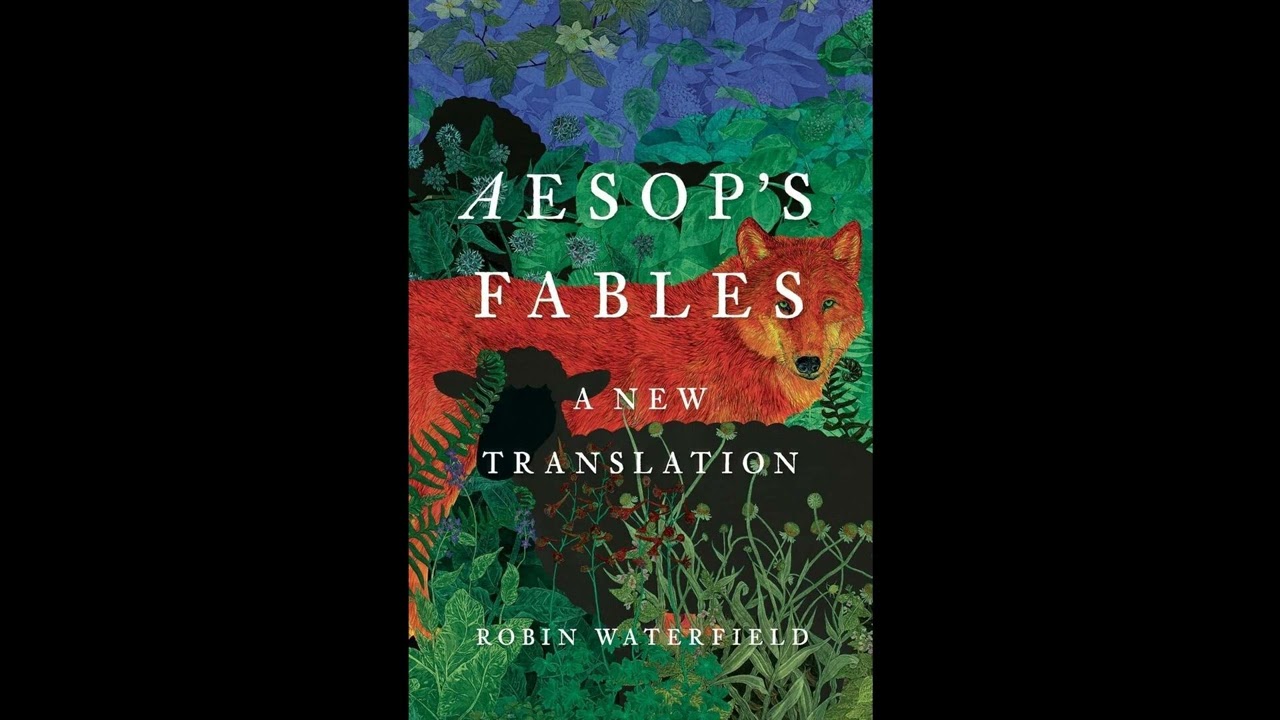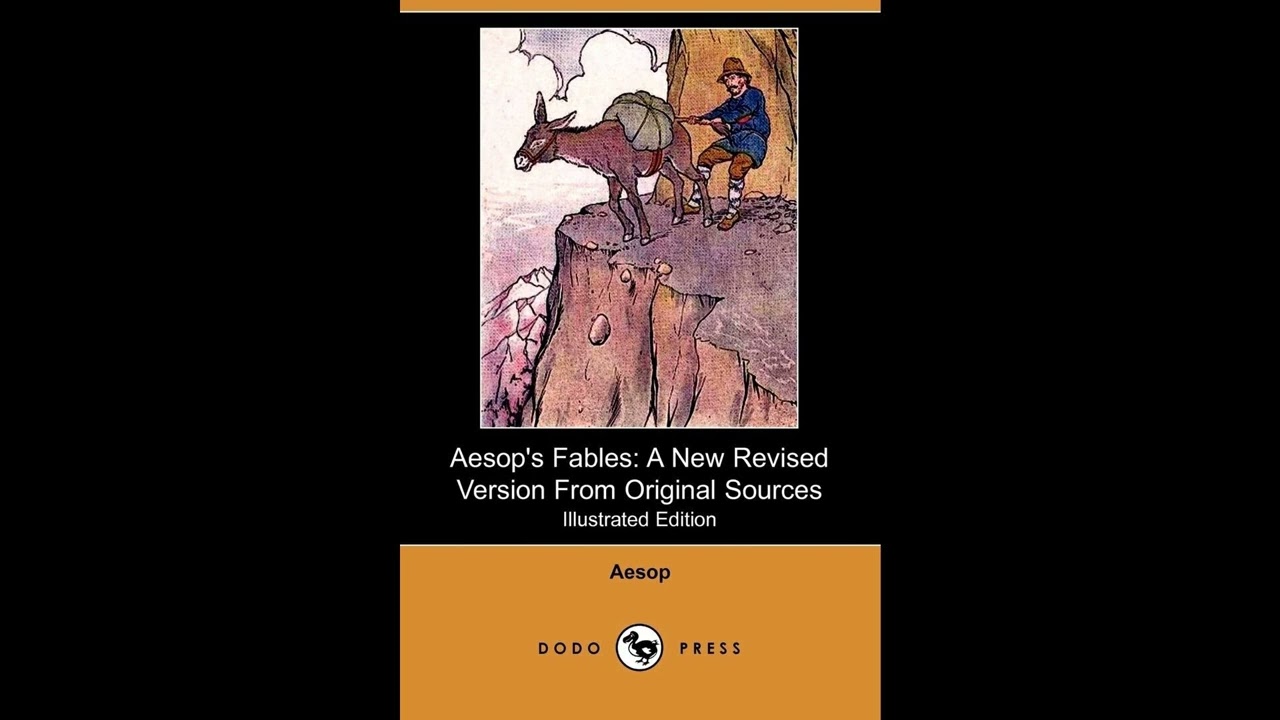
Aesop's Fables: A New Revised Version from Original Sources
Few literary creations possess the enduring resonance of Aesop's Fables, a collection of stories so foundational to Western thought and storytelling that their wisdom feels as fresh and urgent today as it did millennia ago. This new revised version, meticulously drawn from original sources, invites listeners to rediscover the elemental power of these brief, pointed narratives. These are not merely children's tales; they are concise lessons on human nature, distilled through the keen observations of a profound moralist. From the cunning of a fox to the industry of an ant, the simple dramas enacted by these animal and human characters hold up a mirror to our own virtues and follies, offering guidance on ethics, prudence, and the often-unforeseen consequences of our actions. To engage with Aesop is to engage with the very bedrock of moral instruction, presented with an clarity and wit that bypasses intellectual clutter and speaks directly to the soul, prompting reflection long after the final word has been spoken. The world of Aesop's Fables is as expansive as the human imagination, yet grounded in the familiar landscapes of fields, forests, and bustling marketplaces. Each story unfolds as a miniature drama, typically featuring anthropomorphic animals, mythological creatures, or sometimes ordinary people, who embody distinct character traits and perspectives. These aren’t complex, multi-chapter sagas, but rather vignettes—short, self-contained incidents designed to illustrate a single moral principle. Listeners will encounter the proud Lion, the clever Fox, the industrious Ant, the carefree Grasshopper, the plodding Tortoise, and the boastful Hare, among a menagerie of others. These characters are not static; they frequently find themselves in situations that challenge their assumptions, test their strengths, or expose their weaknesses. The central dynamic in these narratives often revolves around a conflict of values, a choice between wisdom and foolishness, or a confrontation with inevitable consequences. Whether it's a dispute over possessions, a test of speed, a plea for help, or a moment of shared hardship, the characters navigate circumstances that reflect the daily struggles and ethical dilemmas of human existence. The "plot" of each fable develops rapidly, presenting a clear setup, a decisive action or interaction, and a resolution that subtly or overtly reveals the underlying lesson. The cumulative effect of these many brief encounters is a sweeping panorama of human behavior, observed from countless angles, always leading back to a core truth about morality and practical living, without ever revealing the specific final twists of individual stories. The name "Aesop" itself conjures images of ancient wisdom, though the historical figure behind the fables remains shrouded in the mists of antiquity. While concrete biographical details are scarce, tradition paints a portrait of Aesop as a Phrygian slave who lived in ancient Greece during the 6th century BCE. Legends suggest he was a master storyteller, renowned for his wit and the ability to impart profound moral lessons through simple, allegorical tales. Denied the freedom of direct speech by his social standing, he purportedly used animals as proxies to critique society, caution the powerful, and educate the common people. Whether Aesop was a single individual or a composite figure representing a long tradition of oral storytelling, his name became irrevocably linked to this body of work, a testament to its enduring impact. Over the centuries, the fables attributed to Aesop were collected, transcribed, and adapted by numerous scholars and writers, ensuring their survival and spread across diverse cultures. Early Greek versions by Demetrius of Phalerum are lost, but later Greek renditions, such as those by Babrius and Phaedrus, translated the tales into poetic forms. Much later, in the Byzantine era, Maximus Planudes compiled a popular collection, solidifying many of the stories we recognize today. The fables truly became a cornerstone of European literature and education following the invention of the printing press, with William Caxton’s English translation in 1484 introducing them to a wide audience. This continuous process of reinterpretation and revision underscores the adaptability and universal appeal of the fables, each new edition seeking to capture their essence for a contemporary readership while often referencing those "original sources" that inspired their genesis. At their core, Aesop's Fables illuminate several enduring themes that resonate across generations. Prudence, for instance, appears repeatedly, often illustrated by characters who fail to plan for the future, such as the Grasshopper who sings through the summer while the Ant diligently stores food for winter. This narrative starkly contrasts immediate gratification with forethought, demonstrating the stark consequences of shortsightedness versus careful preparation. The theme of perseverance is powerfully demonstrated in the race between the swift Hare and the slow, methodical Tortoise, a story that subtly argues against overconfidence and for the steady pursuit of a goal. Another significant theme is that of deceptive appearances, often highlighting how outward strength or cleverness can mask inner weaknesses, or vice versa. The fable of the Fox and the Grapes, where the fox rationalizes his inability to reach the grapes by declaring them "sour," is a classic example of sour grapes—a psychological defense mechanism still prevalent today. Furthermore, the fables frequently address the consequences of untruthfulness or boasting, as seen in the story of the Boy Who Cried Wolf, where a prank ultimately leads to a loss of credibility and genuine danger. These specific examples, presented with straightforward elegance, make complex moral concepts accessible and memorable, forming a foundational ethical vocabulary. The fables emerged from a dynamic period in ancient Greece, a society that placed high value on oral tradition, rhetoric, and practical wisdom. They served not only as entertainment but also as vital tools for moral education and social commentary. In an age where literacy was not universal and philosophical discourse could be abstract, the fables offered concrete, easily understood allegories for ethical dilemmas and societal norms. They were used by rhetoricians to persuade, by teachers to instruct, and by parents to guide their children. Their emergence reflected a cultural need to transmit fundamental truths and cautionary tales in a relatable format, using familiar creatures to subtly comment on human foibles and virtues without directly offending powerful figures or complex social structures. This new revised version seeks to connect contemporary listeners directly back to that ancient oral tradition, ensuring the clarity and impact of these foundational texts. Listening to Aesop's Fables as an audiobook offers a unique and particularly fitting experience, aligning with the stories' original oral tradition. The "several hours" run time provides a generous collection, allowing for sustained engagement or short, impactful listening sessions that can be woven into a busy day. A skilled narrator brings each character to life, distinguishing the proud swagger of a lion from the cunning whispers of a fox, or the earnest pleas of a lamb. The pacing often allows for a moment of reflection after each fable, letting the moral resonate without rush. Listeners can pay close attention to the subtle vocal shifts, the dramatic build-up of tension in each micro-narrative, and the quiet authority with which the concluding moral is delivered, transforming simple text into a powerful, immersive lesson. This format emphasizes the dramatic tension, the humor, and the profound simplicity that have kept these tales alive for millennia, making them not just stories, but experiences.
Enjoyed Aesop's Fables: A New Revised Version from Original Sources? A few ways to support us
Audible & Amazon links are affiliate; we may earn a small commission at no extra cost.
About this production
Human narration by a volunteer reader from LibriVox.org, the public-domain audiobook project. LibriVox volunteers record literary works whose copyright has expired in the United States, releasing the resulting recordings into the public domain.
Aesop's Fables: A New Revised Version from Original Sources by Aesop. The underlying text is in the U.S. public domain. We do not republish any modern copyrighted edition, translation, or commentary.
The 4K cinematic visuals accompanying this audiobook are generated by an AI image model from prompts derived from the source text. No copyrighted photos, paintings, or stock footage are used. AI generation is disclosed on every video on our YouTube channel as required by YouTube's altered/synthetic content policy.
English subtitles are transcribed from the LibriVox recording with OpenAI Whisper. Translations into the 11 other supported languages are produced by Meta's NLLB-200 neural translation model. No human translator's copyrighted translation is used.
Questions about sourcing or rights? See our DMCA & Sourcing policy or contact us.
Enjoyed this audiobook?
If you'd like to own a copy of Aesop's Fables: A New Revised Version from Original Sources or hear a professionally produced edition, the links below help support free audiobook production at no extra cost to you.
As an Amazon Associate we earn from qualifying purchases. Audible / print links are affiliate.