The Lions of the Lord: A Tale of the Old West
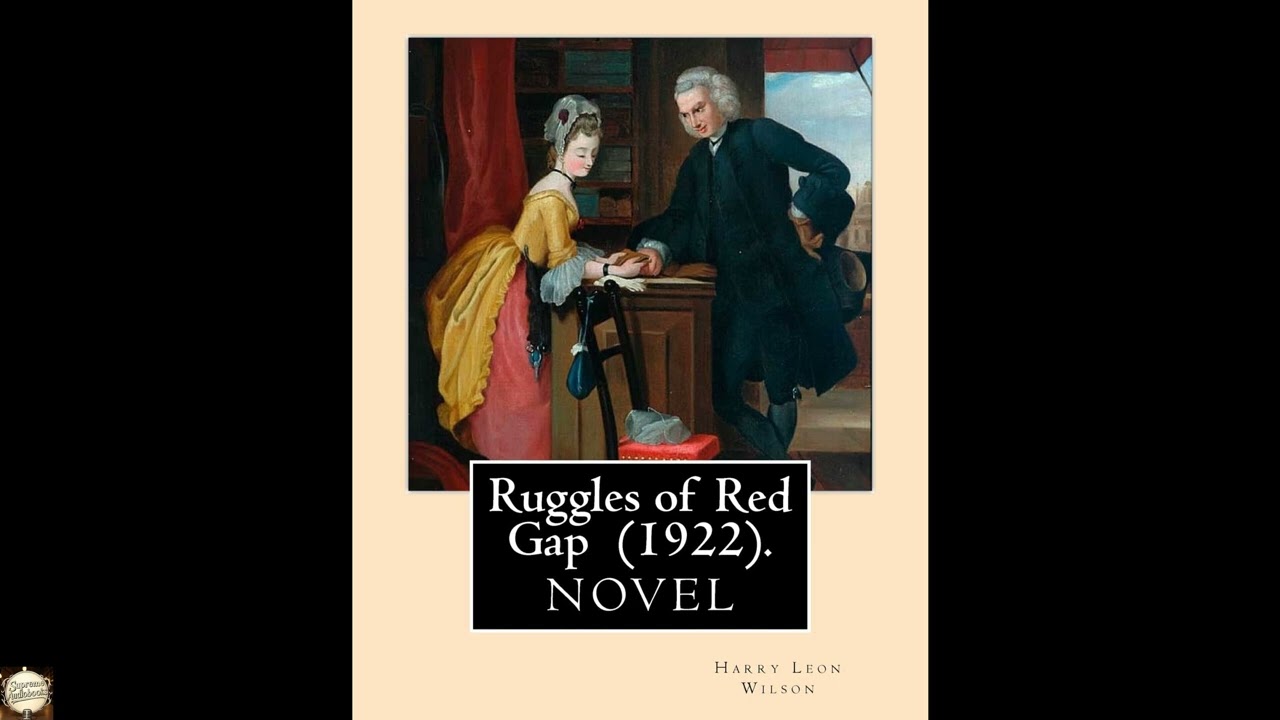
Step into a sweeping saga of conviction and conquest with "The Lions of the Lord: A Tale of the Old West," a powerful narrative that transports listeners to a pivotal, often misunderstood, era of American expansion. Harry Leon Wilson’s ambitious novel provides an intimate look at the formation of a unique society forged by faith in the rugged American West, challenging us to consider the enduring questions of belief, belonging, and the relentless pursuit of an ideal. More than a simple adventure story, this is a profound examination of human will against overwhelming odds, a tale whose insights into communal living, individual freedom, and the clash of cultures remain strikingly relevant in our contemporary world. It’s a story that compels us to understand the heart of what it means to build a future based on unwavering conviction, no matter the cost. The story unfolds in the dramatic landscapes of the mid-19th century American West, specifically within the fledgling territories claimed by the followers of the Church of Jesus Christ of Latter-day Saints, often known as Mormons. This is a time when the desert was being tamed not just by grit and gunpowder, but by an extraordinary social and religious experiment. The central figure is likely an earnest and principled individual, perhaps a newcomer or someone experiencing a crisis of faith, who finds themselves drawn into the tightly-knit community. Through their eyes, we witness the incredible dedication and sacrifices made by these pioneers, who are determined to establish their Zion in a hostile land, far from the persecutions they faced in the East. Against this backdrop of arduous settlement, the narrative weaves a compelling drama of personal and communal struggles. Characters grapple with the complex tenets of their faith, including the controversial practice of plural marriage, which sets them at odds with the broader American society and legal system. Loyalty to community leaders often clashes with individual conscience, and romantic attachments are frequently tested by duty and doctrine. The novel paints a vivid picture of a people striving for self-sufficiency and spiritual purity, while simultaneously facing the harsh realities of frontier life, the ever-present threat of violence, and the internal tensions that inevitably arise when deeply held beliefs meet the complexities of human nature. Harry Leon Wilson, born in Oregon, Illinois, in 1867, began his professional life as a journalist before achieving considerable fame as a novelist and playwright. His early career included a stint as the editor of Puck magazine, a prominent humor publication of the era, where he honed his sharp wit and observational skills. While "The Lions of the Lord" (published in 1903) stands as one of his more serious and ambitious literary endeavors, showcasing his capacity for historical depth and character study, it was his later works that cemented his place as a beloved American humorist. Wilson’s most celebrated novels, Ruggles of Red Gap (1915) and Merton of the Movies (1922), exemplify his comedic genius. These satirical works deftly poked fun at American class distinctions, the pretensions of the newly rich, and the burgeoning Hollywood film industry. Yet, even in his lighter fiction, Wilson maintained a profound understanding of human nature and the societal forces that shaped it. He was a versatile writer, equally adept at crafting a sweeping historical epic about religious pioneers as he was at composing a biting social satire, consistently demonstrating a keen eye for the absurdities and aspirations of American life until his passing in 1939. "The Lions of the Lord" presents a powerful arena for examining several profound themes. One primary concern is the tension between faith and dogma versus individual conscience. Wilson meticulously details how characters navigate deeply held religious convictions when they collide with personal desires, moral quandaries, or the pressures of an evolving society. Listeners observe, for instance, the intense internal debates within the community as individuals grapple with challenging practices, such as polygamy, where deeply personal choices are dictated by communal or spiritual law. This creates a powerful dramatic core, forcing characters to weigh their loyalty to their spiritual leaders against their own innate sense of right and wrong, or the yearnings of their heart. Another significant theme is the relentless struggle of frontier life and the idealism of manifest destiny. The novel paints a stark picture of the immense physical and emotional challenges involved in settling the unforgiving American West. Descriptions of the harsh, arid landscapes, the backbreaking labor required to establish farms and communities, and the constant threat of natural disaster or external conflict underscore the sheer will needed for survival. This also folds into the idea of community and the pursuit of utopia; the book illustrates the fervent belief that a perfect society could be built through shared faith and collective effort, but also subtly reveals the inherent flaws, power dynamics, and human failings that inevitably complicate any such grand vision. The story powerfully illustrates how the very strength of a united front can sometimes stifle individual expression and create unforeseen tyrannies. Listening to "The Lions of the Lord: A Tale of the Old West" as an audiobook offers a uniquely immersive experience, allowing the story’s grandeur and emotional weight to truly resonate. A skilled narrator can skillfully delineate the distinct voices of the Western pioneers, lending authenticity to their speech patterns and regional inflections. The solemnity of religious discourse, the urgency of moments of conflict, and the quiet introspection of personal struggle are all brought to life through vocal performance. With a run length of several hours, this allows for deep, sustained immersion in the historical world Wilson crafts, perfect for long drives, focused periods of work, or simply relaxing into the rich narrative. Listeners will appreciate the pacing as the story’s drama unfolds, from expansive descriptions of the stark yet beautiful Utah territory to intimate, emotionally charged dialogues that lay bare the characters' souls, all enhanced by the evocative atmosphere created through the power of the spoken word.
Enjoyed The Lions of the Lord: A Tale of the Old West? A few ways to support us
Audible & Amazon links are affiliate; we may earn a small commission at no extra cost.
About this production
Human narration by a volunteer reader from LibriVox.org, the public-domain audiobook project. LibriVox volunteers record literary works whose copyright has expired in the United States, releasing the resulting recordings into the public domain.
The Lions of the Lord: A Tale of the Old West by Harry Leon Wilson. The underlying text is in the U.S. public domain. We do not republish any modern copyrighted edition, translation, or commentary.
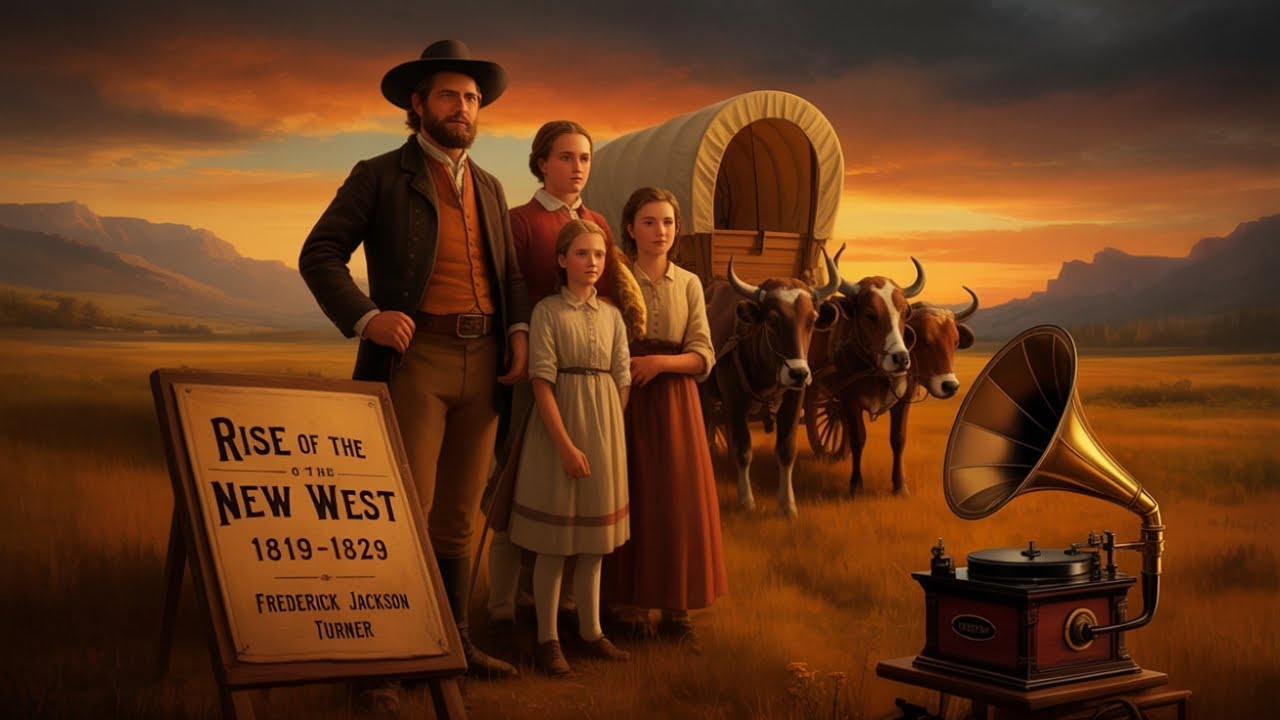
The 4K cinematic visuals accompanying this audiobook are generated by an AI image model from prompts derived from the source text. No copyrighted photos, paintings, or stock footage are used. AI generation is disclosed on every video on our YouTube channel as required by YouTube's altered/synthetic content policy.
English subtitles are transcribed from the LibriVox recording with OpenAI Whisper. Translations into the 11 other supported languages are produced by Meta's NLLB-200 neural translation model. No human translator's copyrighted translation is used.
Questions about sourcing or rights? See our DMCA & Sourcing policy or contact us.
Enjoyed this audiobook?
If you'd like to own a copy of The Lions of the Lord: A Tale of the Old West or hear a professionally produced edition, the links below help support free audiobook production at no extra cost to you.
As an Amazon Associate we earn from qualifying purchases. Audible / print links are affiliate.