
Ruth Fielding and the Gypsies; Or, The Missing Pearl Necklace
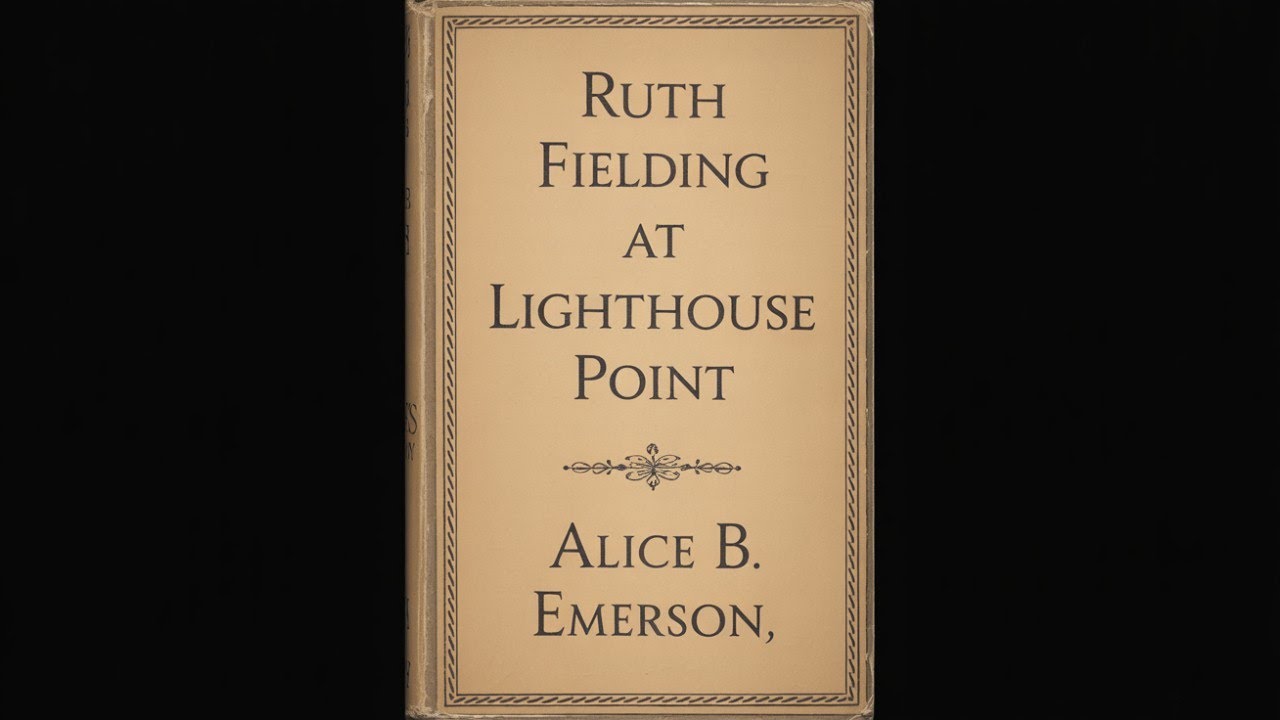
Step back in time to an era of gas lamps, burgeoning independence, and spirited young heroines who found adventure in their everyday lives. Ruth Fielding and the Gypsies; Or, The Missing Pearl Necklace presents a delightful entry point into the enduring world of classic girls’ series fiction, a genre that shaped generations of readers and continues to charm with its blend of mystery, moral fortitude, and plucky protagonists. This particular tale invites listeners to unravel a perplexing enigma alongside its resourceful central character, offering not just a diverting whodunit but also a fascinating window into the social attitudes and narrative conventions of early twentieth-century popular literature. It is a story about quick thinking, loyalty, and the challenge of looking beyond easy assumptions, themes that resonate just as strongly today. The story opens in the comfortable, yet quietly dynamic, world of Ruth Fielding. A young woman of sharp intellect and an active imagination, Ruth finds her usually tranquil surroundings at the Red Mill, a picturesque boarding school, stirred by an unexpected event. Her close friend, Helen, is thrown into distress when a valuable pearl necklace, a cherished family heirloom, vanishes without a trace. The immediate and most convenient suspects are a group of Romani travelers, often referred to as "Gypsies," who have recently set up camp on the outskirts of the town. Their presence, seen through the lens of local prejudice and suspicion, quickly makes them the target of the community's accusations. Ruth, however, possesses a keen sense of justice and an unwillingness to jump to conclusions. While others are quick to condemn the newcomers, Ruth feels compelled to look deeper, observing details and questioning the obvious. She begins her own quiet investigation, carefully sifting through the circumstances surrounding the necklace's disappearance. The narrative follows her as she gathers clues, navigates the complexities of her friends’ fears and the community’s biases, and bravely interacts with various characters, including members of the Romani camp, who are themselves facing unjust scrutiny. The book masterfully builds suspense, placing Ruth at the heart of an unfolding puzzle where appearances are often deceiving and the path to truth is far from straightforward. The name "Alice B. Emerson" on the cover of Ruth Fielding and the Gypsies represents a fascinating aspect of early twentieth-century American publishing: the house name or syndicate authorship. Much like other beloved series of the period, the Ruth Fielding books were not the product of a single, named author in the traditional sense. Instead, they emerged from the highly successful Stratemeyer Syndicate, an innovative literary production factory established by Edward Stratemeyer. Stratemeyer, a prolific writer and shrewd businessman, devised a system where he would outline plots and character concepts for various series, then hire ghostwriters to pen the actual novels, often for a flat fee and without individual attribution. This allowed for a consistent output of stories, meeting the booming demand for juvenile fiction. The individuals behind the "Alice B. Emerson" pseudonym likely varied over the course of the Ruth Fielding series, contributing to a distinctive narrative voice while adhering to Stratemeyer’s established formulas for adventure, mystery, and moral instruction. This model of authorship, though perhaps less romantic than the image of a solitary genius, was instrumental in shaping the landscape of children's literature, making popular, accessible tales available to a wide audience. The Stratemeyer Syndicate created an empire of enduring characters – Nancy Drew, the Hardy Boys, the Bobbsey Twins, and Tom Swift, among many others – cementing its legacy as a foundational force in American popular culture, with "Alice B. Emerson" standing as a testament to this unique collaborative genius. Ruth Fielding and the Gypsies articulates several powerful themes, chief among them the dangers of prejudice and stereotyping. From the moment the pearl necklace disappears, the immediate finger of suspicion points to the Romani travelers, solely because of their cultural difference and transient lifestyle. Ruth, however, embodies the counter-narrative, demonstrating the importance of critical thinking and a fair hearing. Her reluctance to accept easy answers, and her commitment to uncovering factual evidence rather than relying on hearsay, stands as a quiet but firm rebuke to the widespread biases of her community. Her interactions, however brief, with the Romani characters suggest a more nuanced reality than the villagers’ narrow view. Another significant theme is that of agency and resourcefulness in young women. Ruth Fielding is far from a passive observer; she is an active protagonist who takes initiative, carefully planning her investigations and gathering information. Her determination to clear the innocent and find the real culprit highlights her strong sense of justice and moral courage. She relies on her own intellect and observational skills, demonstrating that even a young woman in a seemingly conventional setting can be a force for truth and right. The narrative also underscores the theme of friendship and loyalty, as Ruth's primary motivation stems from her desire to help Helen and restore what was lost. This novel sprang from a dynamic period in American history, roughly the first few decades of the twentieth century, an era marked by significant social and industrial changes. Mass production was revolutionizing everything from consumer goods to literature itself. As mandatory education became more widespread, a burgeoning market for juvenile fiction emerged, offering stories tailored specifically for young readers. Girls’ series books, in particular, rose to prominence, often featuring protagonists who were more active and independent than those found in earlier Victorian literature. These heroines, like Ruth Fielding, provided role models for girls navigating a society that was slowly beginning to consider new roles for women beyond the domestic sphere. Culturally, this period also grappled with evolving understandings of "otherness." While the United States was a melting pot, anti-immigrant sentiment and prejudice against various ethnic groups, including the Romani people, were prevalent. The inclusion of the "Gypsies" in the title and plot reflects common societal anxieties and stereotypes of the time, making Ruth's unbiased approach all the more significant. The very existence of these series books, churned out by syndicates, speaks to the commercialization of leisure and the desire for wholesome, entertaining, and morally upright content for the younger generation, a literary trend that shaped reading habits for decades to come. Listening to Ruth Fielding and the Gypsies; Or, The Missing Pearl Necklace as an audiobook offers a unique way to connect with this piece of classic literature. The spoken word allows the story's charm and the period-specific language to truly come alive, painting vivid mental pictures of the Red Mill, the bustling town, and the enigmatic camp on the outskirts. A skilled narrator brings distinct voices to Ruth's thoughtful observations, Helen's anxieties, and the varied reactions of the townspeople, making the characters feel immediate and present. The "several hours" run time is perfectly suited for extended listening sessions, whether you are commuting, tackling household chores, or simply unwinding with a cup of tea. It allows listeners to fully immerse themselves in the unfolding mystery, following Ruth’s logical deductions and clever maneuvers without interruption, enjoying the pacing of a well-told adventure from a bygone era.
Enjoyed Ruth Fielding and the Gypsies; Or, The Missing Pearl Necklace? A few ways to support us
Audible & Amazon links are affiliate; we may earn a small commission at no extra cost.
About this production
Human narration by a volunteer reader from LibriVox.org, the public-domain audiobook project. LibriVox volunteers record literary works whose copyright has expired in the United States, releasing the resulting recordings into the public domain.
Ruth Fielding and the Gypsies; Or, The Missing Pearl Necklace by Alice B. Emerson. The underlying text is in the U.S. public domain. We do not republish any modern copyrighted edition, translation, or commentary.
The 4K cinematic visuals accompanying this audiobook are generated by an AI image model from prompts derived from the source text. No copyrighted photos, paintings, or stock footage are used. AI generation is disclosed on every video on our YouTube channel as required by YouTube's altered/synthetic content policy.
English subtitles are transcribed from the LibriVox recording with OpenAI Whisper. Translations into the 11 other supported languages are produced by Meta's NLLB-200 neural translation model. No human translator's copyrighted translation is used.
Questions about sourcing or rights? See our DMCA & Sourcing policy or contact us.
Enjoyed this audiobook?
If you'd like to own a copy of Ruth Fielding and the Gypsies; Or, The Missing Pearl Necklace or hear a professionally produced edition, the links below help support free audiobook production at no extra cost to you.
As an Amazon Associate we earn from qualifying purchases. Audible / print links are affiliate.

![Children's Classics in Dramatic Form, Book Two. [1909] by Augusta Stevenson — free full audiobook](https://img.youtube.com/vi/h4bTKUeuO7U/maxresdefault.jpg)