Princess Priscilla's Fortnight
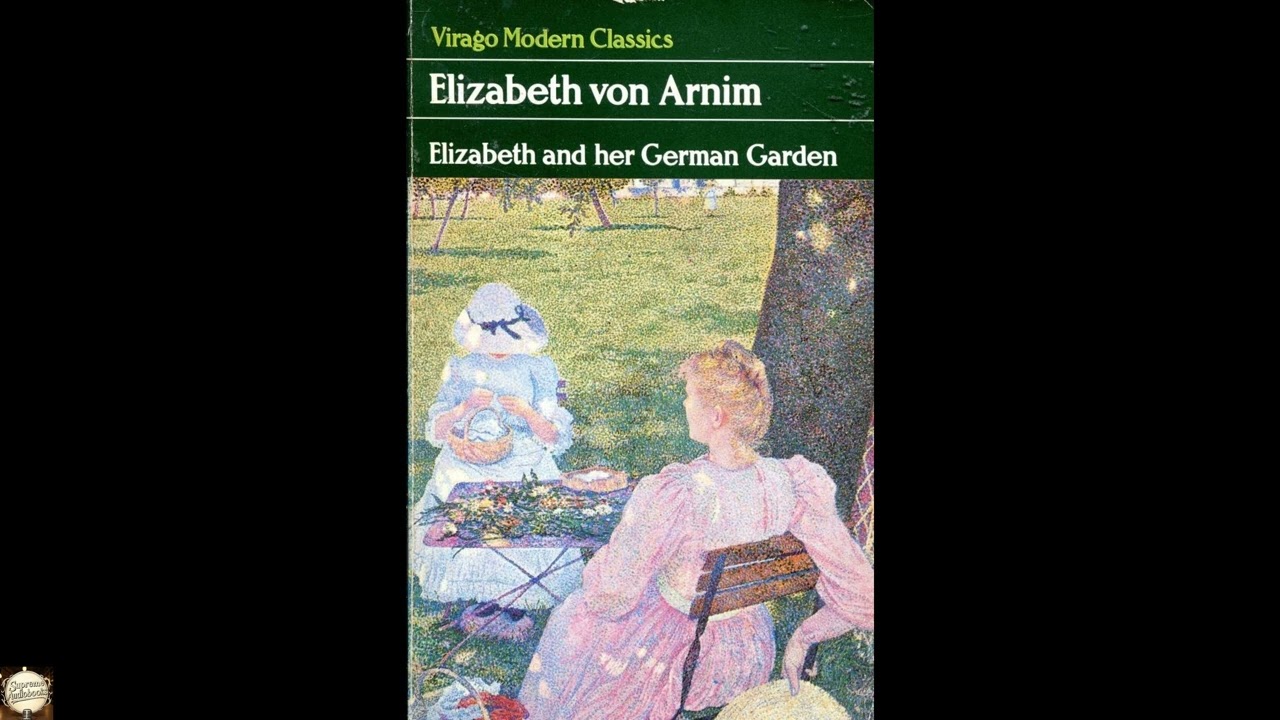
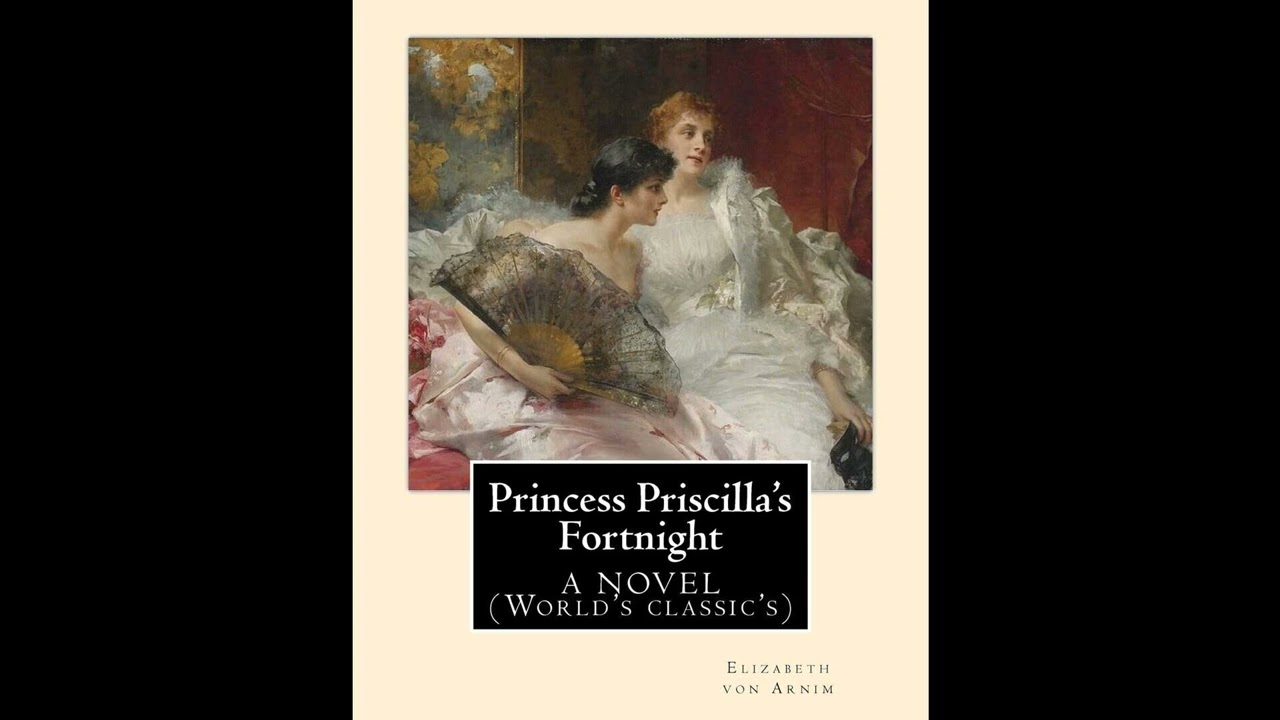
Have you ever yearned to shed the burdens of your station and simply disappear into a simpler, more authentic existence? This enduring human fantasy forms the witty heart of Elizabeth von Arnim's charming novel, Princess Priscilla's Fortnight. Published at the dawn of the 20th century, this story of a sheltered princess who longs for a taste of "real life" resonates remarkably today, offering both laugh-out-loud humor and surprisingly poignant observations on privilege, identity, and the elusive nature of happiness. It is a social comedy that invites us to question our own assumptions about what constitutes a fulfilling life, proving that some desires – for freedom, purpose, and genuine connection – are truly universal, regardless of whether one wears a crown or plain homespun. Our story introduces Princess Priscilla, heir to a small, sleepy German principality. Young, beautiful, and utterly bored, Priscilla finds her days stiflingly circumscribed by royal protocol, meaningless ceremonial duties, and a parade of equally uninspiring suitors. She longs for something more meaningful than her glittering cage, dreaming of a life dedicated to service, compassion, and the quiet dignity of ordinary folk. Fuelled by romantic notions and the abstract philosophical musings of Professor Sergius, a visiting scholar, Priscilla concocts a daring plan: she will escape her gilded prison, travel to England with her loyal but practical lady-in-waiting, Anna, and the professor, and live anonymously among the common people for two weeks, experiencing true poverty and performing charitable deeds. Their clandestine departure sets the stage for a series of comedic misadventures. Priscilla, Anna, and Sergius – utterly unprepared for the realities of self-sufficiency – struggle hilariously with everything from finding lodging to preparing meals and navigating everyday social conventions. Their attempts to disguise their aristocratic origins are almost immediately transparent, leading to awkward encounters and baffled reactions from the villagers they encounter. Priscilla's earnest but profoundly naive efforts to dispense charity often backfire, revealing her profound lack of understanding of the lives she so idealizes. The fortnight becomes less about heroic self-sacrifice and more about a series of blunders and uncomfortable awakenings, as the trio grapples with the unglamorous truths of their chosen new life. The author behind this delightful confection was Mary Annette Beauchamp, better known by her pen name, Elizabeth von Arnim. Born in Australia in 1866 and raised in England, von Arnim lived a life as unconventional and cosmopolitan as her novels suggest. Her first marriage to Count Henning August von Arnim-Schlagenthin took her to a vast estate in rural Pomerania, then part of Germany, a setting that famously inspired her breakthrough debut novel, Elizabeth and Her German Garden, published anonymously in 1898. This initial success established her characteristic voice: witty, observant, and subtly satirical, often blending autobiographical elements with fictionalized accounts of upper-class life. Von Arnim's subsequent works, which include the beloved The Enchanted April and the darker Vera, continued to showcase her singular talent for social commentary and psychological insight, particularly into the lives of women. She moved in prominent literary circles, forming friendships and associations with figures such as H.G. Wells and E.M. Forster. Her second marriage was to Frank Russell, the elder brother of the philosopher Bertrand Russell. Throughout her career, which spanned into the mid-20th century, von Arnim maintained a keen eye for the absurdities of human nature and the constraints placed upon individuals, particularly women, by societal expectations. She is a writer who, with grace and humor, consistently champions the individual spirit. Princess Priscilla's Fortnight skillfully enacts several enduring themes. Foremost among them is the stark contrast between the idealized "simple life" and its often harsh reality. Priscilla's romanticized vision of poverty clashes repeatedly with the grime, effort, and practicalities of earning a living and surviving without servants. Her attempts to perform good deeds are often comically inept, as when she tries to assist a struggling family by offering impractical gifts or advice that completely misses the point of their genuine needs, demonstrating that good intentions alone are insufficient without understanding. Another central theme is the deep-seated nature of social class and identity. Despite their best efforts, Priscilla and Anna cannot truly shed their aristocratic habits. Their speech, their mannerisms, their expectations, and even their physical discomfort with manual labor constantly betray their origins. The novel humorously shows how deeply ingrained class distinctions are, suggesting that true transformation is far more complex than a change of clothes or address. Moreover, the book gently questions traditional female roles, as Priscilla’s initial rebellion is a search for personal agency beyond a life dictated by lineage and marriage prospects, even if her methods are misguided. Published in 1905, Princess Priscilla's Fortnight appeared during the Edwardian era, a period of significant societal flux preceding the First World War. This was a time when the rigid class structures of Victorian England and continental Europe were beginning to feel the pressure of emerging democratic ideals, social reform movements, and the burgeoning women's suffrage campaign. Von Arnim's novel reflects these cultural currents by portraying an aristocracy that, while still powerful, is increasingly detached from the lives of ordinary people and facing internal questioning. The desire for a more meaningful, less ceremonial existence, particularly among privileged women, was a growing sentiment. The era also saw a rise in realist literature, yet von Arnim chose to temper her social observations with a light, comedic touch, making her critiques palatable and engaging. Her personal experiences as an Englishwoman married into German nobility provided her with a unique vantage point to satirize both cultures and the expectations placed upon women within them. The book resonated with readers who were themselves grappling with the push and pull between tradition and modernity, societal obligation and personal fulfillment, offering a humorous yet perceptive commentary on the changing world. To experience Princess Priscilla's Fortnight as an audiobook is to gain a deeper appreciation for Elizabeth von Arnim's finely tuned wit and the subtleties of her characterizations. A skilled narrator can bring to life the distinctive voices of Priscilla's earnest naivete, Anna's pragmatic exasperation, and Professor Sergius's abstract ponderings, making their contrasting worldviews shine. The prose, with its understated irony and elegant construction, truly benefits from being read aloud, allowing the listener to savor the comedic timing and the gentle humor of each scene. The several hours of listening time provide a perfectly paced escape into a world both charmingly old-fashioned and surprisingly relevant, inviting quiet reflection amidst its many laughs.
Enjoyed Princess Priscilla's Fortnight? A few ways to support us
Audible & Amazon links are affiliate; we may earn a small commission at no extra cost.
About this production
Human narration by a volunteer reader from LibriVox.org, the public-domain audiobook project. LibriVox volunteers record literary works whose copyright has expired in the United States, releasing the resulting recordings into the public domain.
Princess Priscilla's Fortnight by Elizabeth von Arnim. The underlying text is in the U.S. public domain. We do not republish any modern copyrighted edition, translation, or commentary.
The 4K cinematic visuals accompanying this audiobook are generated by an AI image model from prompts derived from the source text. No copyrighted photos, paintings, or stock footage are used. AI generation is disclosed on every video on our YouTube channel as required by YouTube's altered/synthetic content policy.
English subtitles are transcribed from the LibriVox recording with OpenAI Whisper. Translations into the 11 other supported languages are produced by Meta's NLLB-200 neural translation model. No human translator's copyrighted translation is used.
Questions about sourcing or rights? See our DMCA & Sourcing policy or contact us.
Enjoyed this audiobook?
If you'd like to own a copy of Princess Priscilla's Fortnight or hear a professionally produced edition, the links below help support free audiobook production at no extra cost to you.
As an Amazon Associate we earn from qualifying purchases. Audible / print links are affiliate.