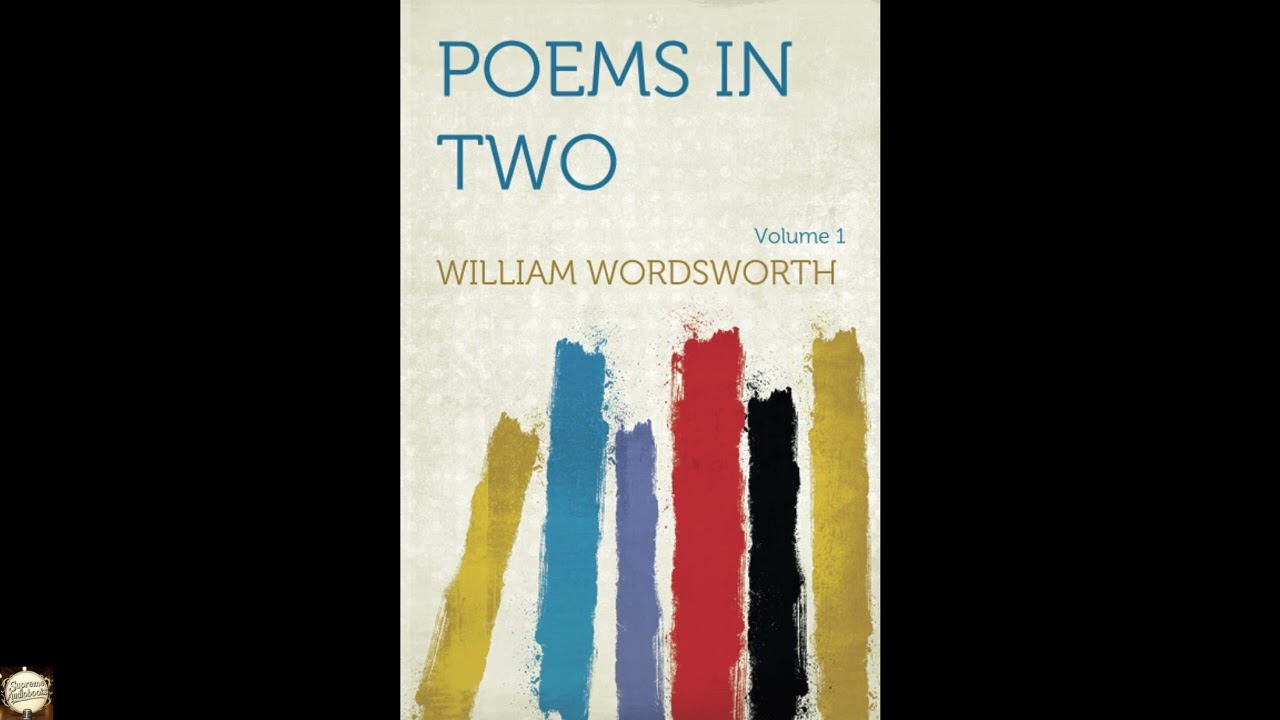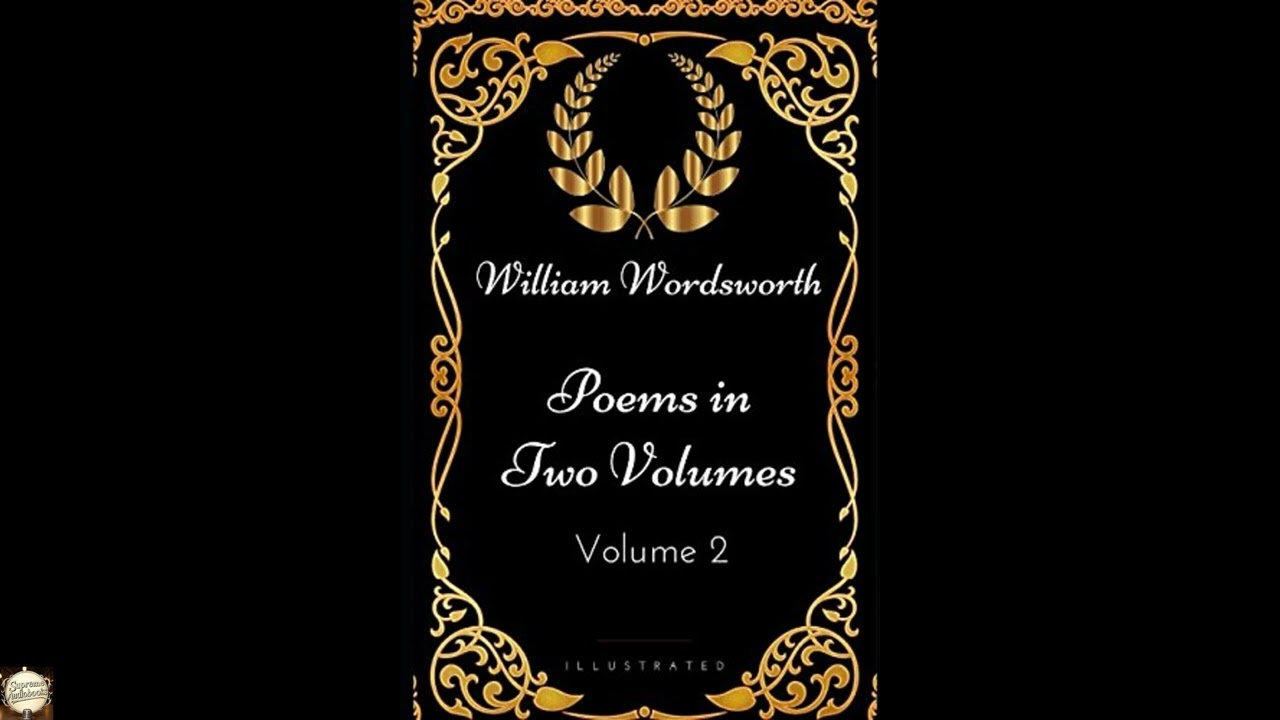
Poems in Two Volumes, Volume 2: By William Wordsworth
To immerse oneself in William Wordsworth's Poems in Two Volumes, Volume 2 is to step into a landscape of profound feeling and vivid observation, a place where the human spirit finds solace and revelation amidst the natural world. This collection, a pivotal work in the history of English literature, invites listeners to slow down, to notice the subtle interplay between the outer world and the inner self, and to rediscover a capacity for wonder. In an age of constant distraction, Wordsworth's verse offers a sanctuary—a chance to reconnect with the enduring power of nature, the echoes of memory, and the depths of individual emotion. This is not merely poetry; it is an invitation to perceive the world with fresh eyes and a more open heart, a call that resonates as strongly today as it did more than two centuries ago. Within this second volume, listeners will encounter a continuation and deepening of the characteristic concerns that define Wordsworth's genius. The poems here often begin with a seemingly simple observation—a flower beside a stream, a solitary figure working in a field, the changing light on a mountain slope. From these specific, tangible details, the verse gently expands, leading the mind from the immediate sensory experience to a realm of reflection, memory, and philosophical insight. There is an arc that moves from outward perception to inward realization, a journey not of physical distance but of thought and feeling. The collection consistently returns to the Lake District, the rugged, beautiful region of England that so profoundly shaped Wordsworth's sensibility. The peaks, valleys, lakes, and humble cottages become more than mere backdrops; they are active participants in the emotional lives of the poems' speakers. The reader is drawn into scenes of quiet contemplation, spirited engagement with the elements, and moments of profound, sometimes melancholic, remembrance. There is a sense of discovering the extraordinary within the ordinary, of finding deep meaning in the quiet dignity of rural life and the silent grandeur of the natural world, all without revealing any specific narrative conclusion. The author of these influential verses was William Wordsworth, born in Cockermouth, Cumbria, in 1770. His childhood in the stunning Lake District landscape instilled in him a lifelong reverence for nature, which would become the cornerstone of his poetic vision. After attending Cambridge, he experienced the fervor and subsequent disillusionment of the French Revolution, an event that profoundly shaped his philosophical outlook. His bond with his sister Dorothy, whose journals often captured the very details he later transmuted into poetry, was central to his creative process. Wordsworth's most significant literary partnership was with Samuel Taylor Coleridge, culminating in the publication of Lyrical Ballads in 1798—a work widely considered to mark the official beginning of the Romantic movement in English literature. Poems in Two Volumes, published in 1807, cemented his reputation, containing many of his most celebrated pieces and showcasing his mature style. He lived much of his adult life at Dove Cottage and later Rydal Mount in the Lake District, remaining deeply connected to the landscapes that inspired him. His standing as a foundational figure of English Romanticism was recognized when he was named Poet Laureate in 1843, a position he held until his death in 1850. Among the central ideas that animate Wordsworth's poetry is the idea of nature as a profound moral and spiritual guide. For instance, a common motif involves the speaker finding solace, wisdom, or even a sense of the divine not in formal institutions, but in the solitude of hillsides, by the sound of a waterfall, or through the simple beauty of a field of flowers. These encounters are not passive observations; they are often transformative, awakening the soul to a deeper understanding of existence and its own place within the grand scheme of things. Another significant concept is the enduring power of memory and the formative role of childhood. Wordsworth frequently presents the idea that the intense, pure experiences of youth, particularly those spent in nature, leave an indelible mark on the adult mind, providing a wellspring of comfort and insight in later years. He suggests that these early impressions are not simply remembered facts but active forces that continue to shape perception and emotion, illuminating the present through the lens of the past. He also highlights the inherent dignity and wisdom found in the lives of common people, often portraying rural characters with a depth of feeling and sincerity that challenged the more artificial conventions of earlier poetry. Wordsworth's work emerged during a period of immense societal upheaval in Britain and Europe. The ideals of the French Revolution—liberty, equality, fraternity—had initially inspired many, including Wordsworth, but the subsequent Reign of Terror and Napoleonic wars fostered widespread disillusionment and a search for new values. Simultaneously, the early stages of the Industrial Revolution were beginning to transform the landscape and social structures, leading to urbanization and a perceived detachment from the natural world. Against this backdrop, Wordsworth's poetry offered an alternative vision, a turning inward and to nature as sources of truth and renewal. It was a reaction against the Enlightenment’s emphasis on pure reason, advocating instead for the importance of emotion, imagination, and individual intuition. His commitment to using simpler, more direct language, rather than the elevated diction of previous poetic eras, was also a deliberate move to connect with a broader readership and reflect the authentic voice of human experience. Listening to poetry as an audiobook offers a singular experience, particularly with an author like Wordsworth whose verse is rich in musicality and carefully crafted rhythm. The human voice of a skilled narrator can unlock the natural cadences of his lines, allowing the listener to appreciate the subtle interplay of sound and sense that might be overlooked on the page. The pacing of the narration can guide one through the sometimes-long, reflective sentences, emphasizing key phrases and moments of emotional impact. This auditory presentation allows the listener to absorb the atmosphere of the poems, to feel the quietude of a morning stroll or the awe before a mountain vista, making the several hours of this collection an immersive and deeply personal engagement with one of literature's most cherished voices.
Enjoyed Poems in Two Volumes, Volume 2: By William Wordsworth? A few ways to support us
Audible & Amazon links are affiliate; we may earn a small commission at no extra cost.
About this production
Human narration by a volunteer reader from LibriVox.org, the public-domain audiobook project. LibriVox volunteers record literary works whose copyright has expired in the United States, releasing the resulting recordings into the public domain.
Poems in Two Volumes, Volume 2: By William Wordsworth by William Wordsworth. The underlying text is in the U.S. public domain. We do not republish any modern copyrighted edition, translation, or commentary.
The 4K cinematic visuals accompanying this audiobook are generated by an AI image model from prompts derived from the source text. No copyrighted photos, paintings, or stock footage are used. AI generation is disclosed on every video on our YouTube channel as required by YouTube's altered/synthetic content policy.
English subtitles are transcribed from the LibriVox recording with OpenAI Whisper. Translations into the 11 other supported languages are produced by Meta's NLLB-200 neural translation model. No human translator's copyrighted translation is used.
Questions about sourcing or rights? See our DMCA & Sourcing policy or contact us.
Enjoyed this audiobook?
If you'd like to own a copy of Poems in Two Volumes, Volume 2: By William Wordsworth or hear a professionally produced edition, the links below help support free audiobook production at no extra cost to you.
As an Amazon Associate we earn from qualifying purchases. Audible / print links are affiliate.