Phyllis
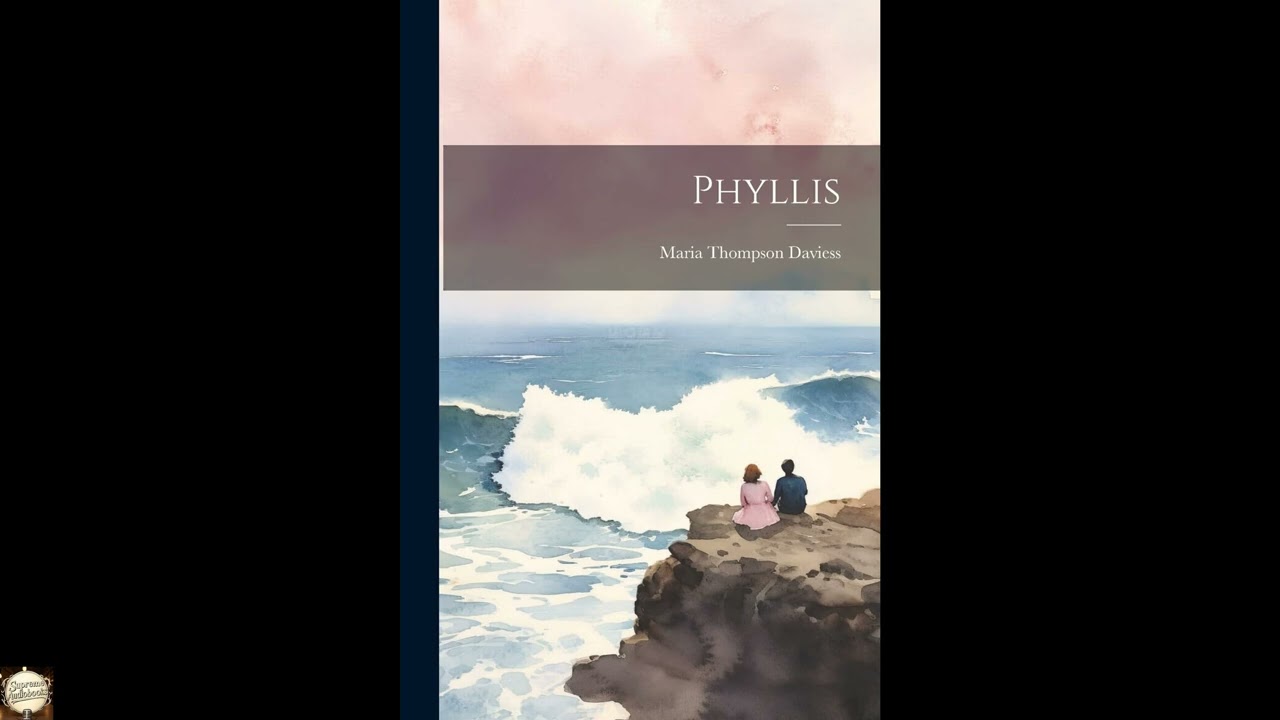
Step into a world where rigid social expectations clash with a young woman’s burgeoning spirit, where the rolling hills of the American South hold both tradition and the promise of change. Maria Thompson Daviess’s delightful novel, Phyllis, offers more than just a charming romance; it presents a vivid portrait of a particular era, a testament to the enduring quest for authenticity, and a gentle reminder that true happiness often lies in defying the path laid out for us. For anyone who appreciates narratives about self-discovery, the charm of early 20th-century life, or the quiet power of a woman finding her voice amidst societal pressures, this audiobook invites a truly enjoyable experience. The story centers on Phyllis, a young woman thrust from the relatively sheltered, if somewhat stifling, confines of her upbringing into a new social landscape. Her father, a man of strong opinions and even stronger determination, has arranged for Phyllis to marry a suitable, yet personally uninspiring, gentleman. This impending union looms large, threatening to define her future entirely on terms not her own. Despite her initial compliance, Phyllis harbors a deep-seated longing for something more – a life of genuine connection, intellectual stimulation, and perhaps, a love born of mutual understanding rather than arrangement. Her quiet resistance is palpable, a subtle undercurrent beneath her outwardly agreeable demeanor, setting the stage for the dramatic shifts that soon follow. When circumstances lead Phyllis to temporarily reside on an old, picturesque Southern farm, away from the immediate influence of her father and fiancé, she encounters a cast of characters who challenge her perceptions and ignite new possibilities. Among them is a compelling, enigmatic figure who embodies the very independence and unconventional spirit that Phyllis secretly admires. This new acquaintance, with his unconventional views and stimulating conversation, begins to chip away at her preconceived notions, forcing her to confront the true desires of her heart. The farm itself, with its rhythms of nature and close-knit community, becomes a crucible for her transformation, allowing her to experience a different kind of life and consider paths she had never dared to imagine. As her understanding of love and self deepens, Phyllis finds herself caught between duty and desire, tradition and personal conviction, leading to poignant choices that will shape her destiny. Maria Thompson Daviess (1872-1924) was a prolific American novelist and short story writer, best known for her regional fiction set primarily in her native South. Born in Harrodsburg, Kentucky, she spent much of her life in Nashville, Tennessee, a setting that often provided the backdrop for her stories. Daviess was not only a gifted storyteller but also a woman of progressive ideals for her time. She studied art in Paris, a significant experience for a woman of her generation, which broadened her perspectives and infused her work with a certain cosmopolitan sensibility alongside her strong Southern roots. Beyond her literary pursuits, Daviess was actively involved in social causes, particularly the burgeoning women's suffrage movement. Her writings, while often categorized as light romance, frequently subtly championed women's independence and their right to self-determination, themes that resonate strongly in Phyllis. She published numerous novels, including The Road to Providence (1910), The Melting of Molly (1912), and Rose of Old Harpeth (1915), earning her a reputation as a popular and respected author during the early decades of the twentieth century. Her ability to blend charming narrative with social commentary secured her a distinctive place among regional American writers. Phyllis skillfully brings several enduring themes to the forefront. One prominent idea is the clash between societal expectations and individual autonomy. Phyllis’s initial agreement to an arranged marriage perfectly illustrates the pressure on young women of the era to conform to family wishes and social norms. However, her quiet internal struggle and eventual choices demonstrate a powerful yearning for a life dictated by her own heart and intellect, rather than external decree. The novel shows that genuine happiness stems from aligning one's actions with one's true self. Another key theme is the redemptive power of nature and rural life. The shift from a more formal, structured environment to the simpler, more authentic existence on the Southern farm acts as a catalyst for Phyllis’s self-discovery. The tranquility and natural beauty of the setting allow her to shed pretenses and connect with her inner desires. Moreover, the narrative subtly addresses the nuances of love and companionship, contrasting the dutiful, arranged union with the deeper, more spiritual connection Phyllis discovers, suggesting that true affection blossoms from understanding and shared values rather than convenience or obligation. When Daviess penned Phyllis in 1910, America was in the throes of the Progressive Era, a period marked by significant social and political reform. The women's suffrage movement was gaining considerable momentum, challenging traditional gender roles and advocating for greater female participation in public life. While not overtly political, Phyllis reflects these cultural shifts, presenting a protagonist who, though seemingly conventional, quietly pushes against the confines placed upon her. The novel also emerged during a time when regional fiction was highly valued, offering readers a glimpse into specific American locales and their unique customs. Daviess’s work provided a comforting yet thought-provoking reflection of Southern life, balancing traditional values with the undercurrent of change that defined the period leading up to the First World War. Listening to Phyllis as an audiobook offers a unique opportunity to immerse oneself in Daviess's world. The spoken word brings the gentle charm of the narrative to life, allowing the listener to fully appreciate the conversational rhythms and regional nuances in the dialogue. A skilled narrator can convey the subtle shifts in Phyllis’s character, from her initial demureness to her growing assertiveness, adding layers of emotion and nuance that might be missed in a silent reading. The several hours of running time provide a perfect companion for commutes, a quiet afternoon at home, or long walks, allowing the narrative to unfold at a leisurely pace, much like the Southern life it depicts. The carefully chosen voice can enhance the atmosphere of the old farm, the distinct personalities of the supporting characters, and the emotional weight of Phyllis’s profound choices, making her personal revolution all the more poignant and resonant.
Enjoyed Phyllis? A few ways to support us
Audible & Amazon links are affiliate; we may earn a small commission at no extra cost.
About this production
Human narration by a volunteer reader from LibriVox.org, the public-domain audiobook project. LibriVox volunteers record literary works whose copyright has expired in the United States, releasing the resulting recordings into the public domain.
Phyllis by Maria Thompson Daviess. The underlying text is in the U.S. public domain. We do not republish any modern copyrighted edition, translation, or commentary.
The 4K cinematic visuals accompanying this audiobook are generated by an AI image model from prompts derived from the source text. No copyrighted photos, paintings, or stock footage are used. AI generation is disclosed on every video on our YouTube channel as required by YouTube's altered/synthetic content policy.
English subtitles are transcribed from the LibriVox recording with OpenAI Whisper. Translations into the 11 other supported languages are produced by Meta's NLLB-200 neural translation model. No human translator's copyrighted translation is used.
Questions about sourcing or rights? See our DMCA & Sourcing policy or contact us.
Enjoyed this audiobook?
If you'd like to own a copy of Phyllis or hear a professionally produced edition, the links below help support free audiobook production at no extra cost to you.
As an Amazon Associate we earn from qualifying purchases. Audible / print links are affiliate.