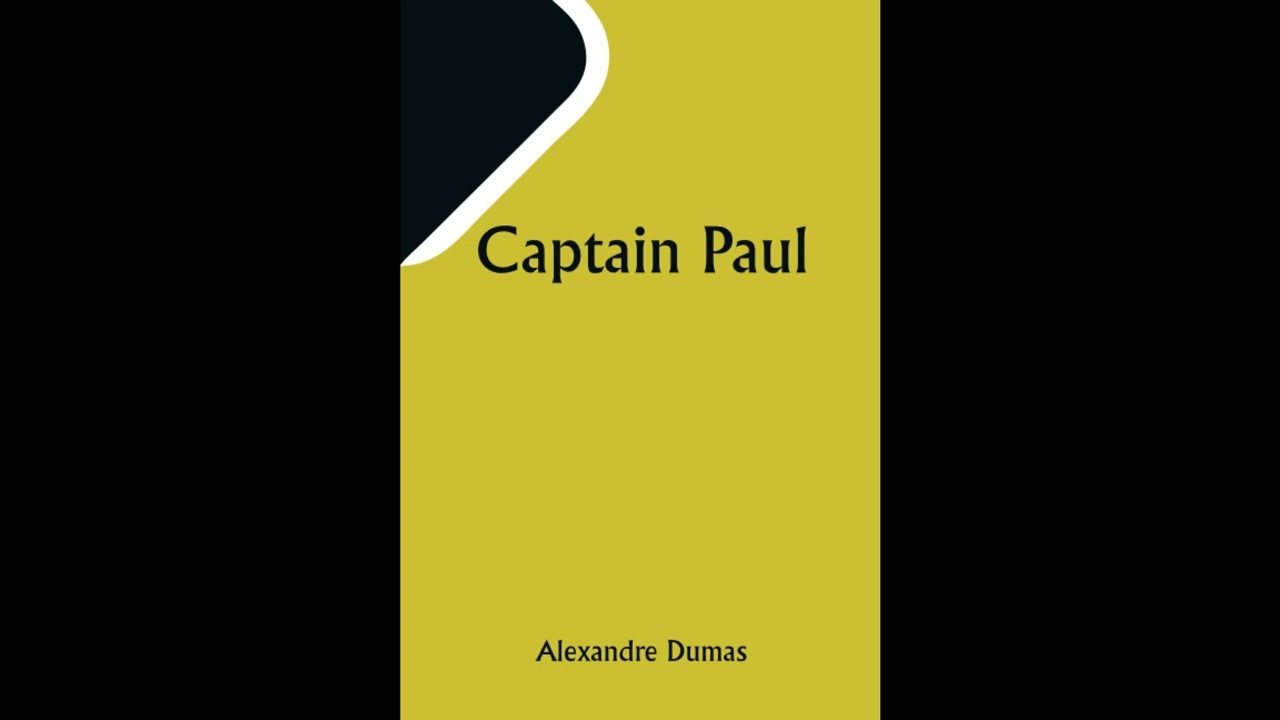
Captain Paul
Step aboard a grand maritime adventure with Alexandre Dumas’s Captain Paul, a thrilling tale that plunges listeners into the tumultuous waters of the early 19th century, where national loyalties clash with personal honor and the high seas offer both peril and unparalleled freedom. While perhaps not as universally recognized as some of his more celebrated epics, this is a narrative brimming with the signature Dumas elements – daring exploits, dramatic confrontations, and characters whose passions burn as fiercely as the cannons on a ship of the line. It offers a glimpse into a world of privateers and naval warfare, a time when the fate of nations hung on the swiftness of sails and the courage of captains. For anyone seeking escape into a bygone era of heroic deeds and intricate intrigues, this lesser-known gem from a titan of literature promises a memorable experience that resonates with themes of freedom, loyalty, and the human spirit’s capacity for both cruelty and nobility. The story drops us directly into the heart of the Napoleonic Wars, a period of relentless conflict between France and Great Britain. Our protagonist is Captain Paul, a corsair – a privateer operating with the legal sanction of the French government – whose ship, the Belle-Poule, is a swift and formidable instrument of war and commerce raiding. Paul himself is a man of contradictions: a formidable seaman and ruthless warrior on deck, yet possessed of a deep sense of justice and a romantic spirit beneath his hardened exterior. The narrative establishes his reputation early on through a series of bold engagements and clever maneuvers, showing his mastery over the elements and his enemies. However, his life of plundering and patriotism takes a complicated turn when an unexpected encounter on the open sea introduces a character who challenges his perceptions of friend and foe, duty and desire. As events unfold, the central conflict intensifies beyond mere naval skirmishes. Paul finds himself entangled in a web of personal vendettas, secret identities, and a blossoming affection that transcends the bitter national divide. He must navigate not only the literal dangers of cannon fire and tempestuous storms but also the emotional hazards of his own heart, which begins to question the very nature of his calling. The story meticulously builds tension through strategic encounters, dramatic rescues, and moments of quiet introspection, highlighting the moral ambiguities inherent in a life dedicated to wartime profiteering. Characters close to Paul – his loyal crew, his adversaries, and the enigmatic figure who captures his attention – each play a part in shaping the captain's destiny, leading him toward a confrontation that will test his courage, his convictions, and the very limits of his resolve, all without revealing the ultimate course of his fate. The author behind Captain Paul is, of course, Alexandre Dumas père, one of the most prolific and celebrated French writers of the 19th century. Born in Villers-Cotterêts in 1802, Dumas was the son of a general in Napoleon's army and the grandson of a Haitian noblewoman and a French marquis. This mixed heritage, while occasionally presenting social challenges, also imbued him with a unique perspective and a vibrant energy that would define his extraordinary career. Initially finding success in Parisian theater with plays like Henri III and His Court, Dumas soon turned his prodigious talents to historical fiction, a genre he would largely define for generations to come. His rapid output, often aided by collaborators, included an astonishing array of novels, plays, and articles. Dumas’s place in the literary canon is secure, primarily due to his towering achievements in the adventure novel. His most famous works, The Three Musketeers (1844) and The Count of Monte Cristo (1844–45), are not merely thrilling narratives but also profound examinations of ambition, revenge, friendship, and justice against meticulously recreated historical backdrops. He was a central figure in the Romantic movement, emphasizing emotion, individualism, and the dramatic flair that continues to distinguish his prose. Despite facing financial difficulties throughout his life, often due to his extravagant lifestyle and generosity, Dumas’s popularity never waned, and his stories have been translated into countless languages and adapted into innumerable films and television series, cementing his legacy as a storyteller par excellence. He passed away in 1870, leaving behind an unparalleled body of work that continues to enthrall readers around the globe. Captain Paul particularly illuminates themes that are recurrent across Dumas’s body of work, offering a more concentrated look at some of his favorite moral and ethical dilemmas. One prominent theme is the nature of honor and patriotism versus personal morality. Captain Paul, as a privateer, operates under the banner of France, engaging in actions that are deemed heroic by his countrymen but devastating to his adversaries. Yet, there are moments where Paul’s innate sense of fairness and humanity shines through, such as when he spares a defeated enemy or shows unexpected mercy to civilians caught in the crossfire. These scenes challenge the black-and-white morality of war, suggesting that true honor extends beyond national allegiances. Another significant theme is the power of love to transcend conflict and division. The budding romantic interest in the story arises from circumstances of adversity, forcing characters to look beyond their national uniforms and see the shared humanity beneath. This tension between duty and affection creates poignant dramatic moments, emphasizing how personal bonds can be both a refuge and a source of profound internal struggle in a world defined by war. The narrative also powerfully conveys the quest for freedom and self-determination. For Paul, the sea represents ultimate liberty, a space where he can assert his will and carve out his own destiny away from the strictures of landlocked society. This desire for freedom is not just physical but also philosophical, as he grapples with choices that impact his moral compass. Furthermore, a subtle but persistent theme of justice and retribution underscores many of the story’s conflicts. While Paul acts under the guise of French interests, many of his actions are driven by a deeper sense of what is right or wrong, sometimes seeking to right past wrongs or ensure fair play, even in the chaotic environment of wartime. These themes are not just abstract ideas; they are woven into the very fabric of the plot, enacted through dramatic confrontations and the difficult decisions Paul must make at critical junctures. The period in which Dumas wrote Captain Paul was one of profound change and romantic fervor in France and Europe. The early 19th century, following the Napoleonic Wars, saw a widespread fascination with heroism, national identity, and the dramatic sweep of history. The Romantic movement, to which Dumas was a significant contributor, championed emotion, imagination, and the individual’s struggle against societal constraints or grand historical forces. This era also witnessed the rise of the historical novel, largely popularized by Sir Walter Scott in Britain, which blended meticulously researched historical settings with fictional narratives and adventurous plots. Dumas, with his keen sense of spectacle and character, was perfectly positioned to capitalize on this appetite. Captain Paul emerged as a reflection of this cultural moment—a story that celebrated French daring during a period of nationalistic pride, while also indulging the romantic ideal of the solitary, courageous figure battling against immense odds on the vast, untamed ocean. It offered readers both a thrilling escape and a dramatic reconsideration of recent historical events, viewed through the lens of individual heroism and moral complexity. Listening to Captain Paul as an audiobook transforms the experience into something truly immersive, perfectly suited to Dumas's energetic storytelling. A skilled narrator can bring to life the crackle of cannon fire, the creak of a ship’s timbers, and the rush of wind through the sails, painting vivid sonic pictures that transport you directly to the deck of the Belle-Poule. The run length, measured in several hours, means listeners can settle in for a substantial, satisfying narrative without feeling overwhelmed, ideal for commutes, long drives, or evenings at home. Listen for the narrator’s pacing, how they build tension during a naval engagement, or shift to a more reflective tone during moments of character introspection. The voices assigned to each character—Captain Paul’s commanding presence, the varied accents of his crew, the distinct tones of his allies and adversaries—breathe life into the dialogue, making every witty retort and dramatic declaration resonate with authenticity. This auditory presentation allows the listener to fully absorb the swashbuckling atmosphere, letting the story unfold with all its inherent drama and excitement, just as Dumas intended.
Enjoyed Captain Paul? A few ways to support us
Audible & Amazon links are affiliate; we may earn a small commission at no extra cost.
About this production
Human narration by a volunteer reader from LibriVox.org, the public-domain audiobook project. LibriVox volunteers record literary works whose copyright has expired in the United States, releasing the resulting recordings into the public domain.
Captain Paul by Alexandre Dumas. The underlying text is in the U.S. public domain. We do not republish any modern copyrighted edition, translation, or commentary.
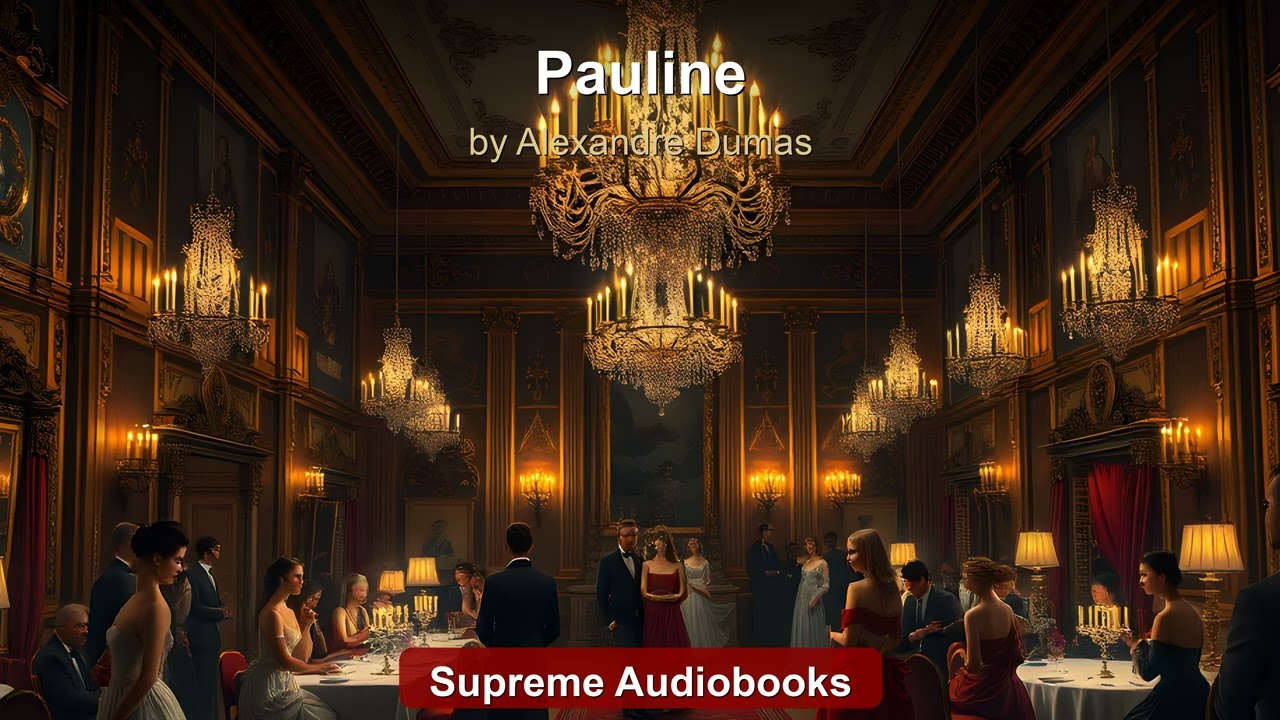
The 4K cinematic visuals accompanying this audiobook are generated by an AI image model from prompts derived from the source text. No copyrighted photos, paintings, or stock footage are used. AI generation is disclosed on every video on our YouTube channel as required by YouTube's altered/synthetic content policy.
English subtitles are transcribed from the LibriVox recording with OpenAI Whisper. Translations into the 11 other supported languages are produced by Meta's NLLB-200 neural translation model. No human translator's copyrighted translation is used.
Questions about sourcing or rights? See our DMCA & Sourcing policy or contact us.
View 10 famous quotes from this book →
Enjoyed this audiobook?
If you'd like to own a copy of Captain Paul or hear a professionally produced edition, the links below help support free audiobook production at no extra cost to you.
As an Amazon Associate we earn from qualifying purchases. Audible / print links are affiliate.