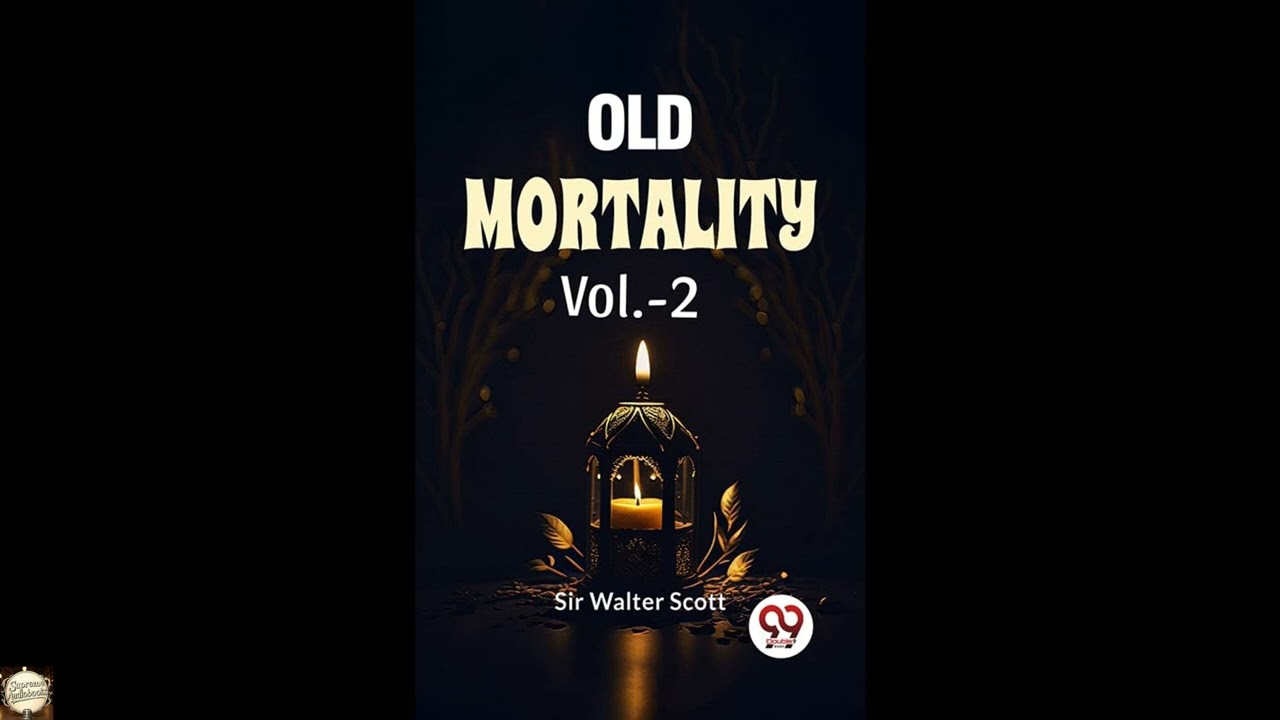
Old Mortality Vol 2
Sir Walter Scott's Old Mortality Vol 2 plunges the listener back into the tumultuous heart of seventeenth-century Scotland, a land torn asunder by religious conviction and political authority. This second part of a sweeping historical narrative isn't just an account of forgotten battles; it's a stark examination of how ideological division can fracture a society, pit neighbor against neighbor, and demand impossible choices from individuals caught in the crossfire. Even today, the questions it poses about loyalty, compromise, and the enduring human cost of zealotry resonate with remarkable clarity, offering a poignant reflection on cycles of conflict that seem perpetually to repeat themselves. It reminds us that behind every historical event lie real people grappling with overwhelming circumstances, their personal struggles echoing through the centuries. The story unfolds amidst the fiercely contested landscape of Scotland during the Covenanter Rebellions, a period when the Covenanters, staunch Presbyterians, defied the Stuart monarchy's attempts to impose Episcopalianism upon the Church of Scotland. The first volume established the conflict through the eyes of Henry Morton, a young man of moderate temperament and noble character, inadvertently drawn into the Covenanter cause after an act of hospitality makes him an enemy of the Crown. Having risen to a position of reluctant command among the Covenanters, Morton witnesses firsthand the fervor and the fanaticism that drove both sides, culminating in the devastating Covenanter defeat at the Battle of Bothwell Brig. Volume Two picks up in the aftermath of this crushing blow, as the Covenanters are scattered, their leaders hunted, and their cause seemingly lost. Morton, once a leader, now finds himself an outcast, facing exile or execution. His commitment to moderation, which set him apart from the unyielding zealots within the Covenanter ranks, now ironically renders him suspect to both his former allies and the vengeful Royalists. The narrative follows his perilous flight, his desperate attempts to secure a measure of justice or mercy, and his enduring love for Edith Bellenden, a woman of Royalist sympathies whose fate becomes inextricably linked with his own. As Morton endures the harsh realities of imprisonment, banishment, and the slow, grinding machinery of political retribution, the narrative widens to show the broader consequences of the Covenanter defeat – the brutal persecution of the remaining dissidents by figures like Claverhouse, the desperate resilience of those who refuse to yield, and the long shadow cast by past grievances over the possibility of future peace. The path back to Scotland, to Edith, and to any semblance of normalcy is fraught with danger and moral ambiguity, forcing Morton to confront the lingering specters of war and the corrosive effects of unyielding conviction. Sir Walter Scott, born in Edinburgh in 1771, was a literary giant whose influence on the novel genre is difficult to overstate. A lawyer by training, Scott initially gained renown as a poet and collector of Scottish ballads, demonstrating an early affinity for his country's history and folklore. However, it was with the publication of Waverley in 1814 that he truly found his calling, effectively inventing the modern historical novel. He followed this success with a steady stream of novels, published anonymously at first, including Guy Mannering, The Antiquary, Rob Roy, and Ivanhoe, which cemented his reputation as the "Wizard of the North." His works often blended meticulous historical research with dramatic narrative, bringing the past to life for his readers. Scott's later life was marked by both immense fame and personal tragedy, most notably a series of financial disasters that led him to dedicate himself relentlessly to writing to pay off his substantial debts. He produced an astonishing quantity of literature in his final years, often to the detriment of his health, eventually passing away in 1832. Scott's place in the literary canon remains secure; he not only popularized a new form of fiction but also played a significant role in shaping Scottish national identity, celebrating its landscapes, traditions, and historical struggles. His influence extended far beyond Britain, inspiring writers across Europe and America to look to their own national histories for literary material. Old Mortality Vol 2 gives potent expression to several enduring themes, chief among them the stark contrast between fanaticism and moderation. Henry Morton himself embodies this struggle; his measured appeals for clemency and his attempts to curb the more extreme elements of the Covenanter army are consistently met with resistance from figures like the zealous John Balfour of Burley, whose unwavering belief in divine vengeance leads to acts of horrifying brutality. Scott shows how unyielding conviction, while perhaps noble in its origin, can easily devolve into destructive obstinacy, blinding individuals to the possibility of compromise or peace. The novel also powerfully interrogates the nature of history and memory, particularly through the recurring image of the "old mortality" – the actual figure who tends the graves of the Covenanter martyrs. His painstaking care for the markers of the dead emphasizes how past conflicts, and the memory of those who fought in them, continue to shape the present, influencing identities and perpetuating grievances. Furthermore, the narrative foregrounds the theme of loyalty versus betrayal. Characters are repeatedly forced to choose between personal allegiance, religious principles, and political expediency. Morton's own difficult position, viewed with suspicion by both sides, illustrates the perils of refusing to pledge absolute loyalty to any single faction. His love for Edith Bellenden, a woman from the opposing camp, becomes another potent example of this theme, as their personal bond is constantly tested by the demands of family and ideological affiliation. Their relationship, existing amidst the brutal backdrop of civil strife, also highlights the fragile but persistent hope for humanity and connection in the face of widespread animosity. The original publication of Old Mortality in 1816 placed it firmly within a period of profound cultural and political shifts in Britain. The Napoleonic Wars had recently concluded, fostering a heightened sense of national identity and a fascination with historical narratives that could explain and affirm national character. Scott's novels tapped directly into this sentiment, offering readers a window into the dramatic events that had forged the modern British state. In the literary world, Scott was not merely participating in a trend; he was defining it. The historical novel, with its blend of meticulously researched factual detail and imaginative character development, became a dominant form, influencing generations of writers. For Scotland in particular, Scott's works offered a romantic yet often clear-eyed look at its distinct history, articulating a sense of Scottishness within the wider British union and preserving the memory of its unique struggles. Listening to Old Mortality Vol 2 as an audiobook offers a unique opportunity to immerse oneself in Scott's epic prose. The length of several hours allows the listener to settle into the period, letting the narrator's voice guide them through the intricate plot and detailed descriptions. A skilled reader can bring out the nuances of the Scottish accents, giving distinct personalities to the fanatical Covenanters, the aristocratic Royalists, and the common folk caught between them. Listen for the shifting pace of the narration: the breathless intensity of battle scenes, the solemnity of philosophical musings, and the tender intimacy of the exchanges between Morton and Edith. The atmospheric descriptions of the Scottish landscape—its moors, hills, and brooding skies—truly come alive through the spoken word, creating a vivid backdrop against which the human drama unfolds, ensuring the listener is fully transported into this pivotal moment in history.
Enjoyed Old Mortality Vol 2? A few ways to support us
Audible & Amazon links are affiliate; we may earn a small commission at no extra cost.
About this production
Human narration by a volunteer reader from LibriVox.org, the public-domain audiobook project. LibriVox volunteers record literary works whose copyright has expired in the United States, releasing the resulting recordings into the public domain.
Old Mortality Vol 2 by Sir Walter Scott. The underlying text is in the U.S. public domain. We do not republish any modern copyrighted edition, translation, or commentary.
The 4K cinematic visuals accompanying this audiobook are generated by an AI image model from prompts derived from the source text. No copyrighted photos, paintings, or stock footage are used. AI generation is disclosed on every video on our YouTube channel as required by YouTube's altered/synthetic content policy.
English subtitles are transcribed from the LibriVox recording with OpenAI Whisper. Translations into the 11 other supported languages are produced by Meta's NLLB-200 neural translation model. No human translator's copyrighted translation is used.
Questions about sourcing or rights? See our DMCA & Sourcing policy or contact us.
Enjoyed this audiobook?
If you'd like to own a copy of Old Mortality Vol 2 or hear a professionally produced edition, the links below help support free audiobook production at no extra cost to you.
As an Amazon Associate we earn from qualifying purchases. Audible / print links are affiliate.