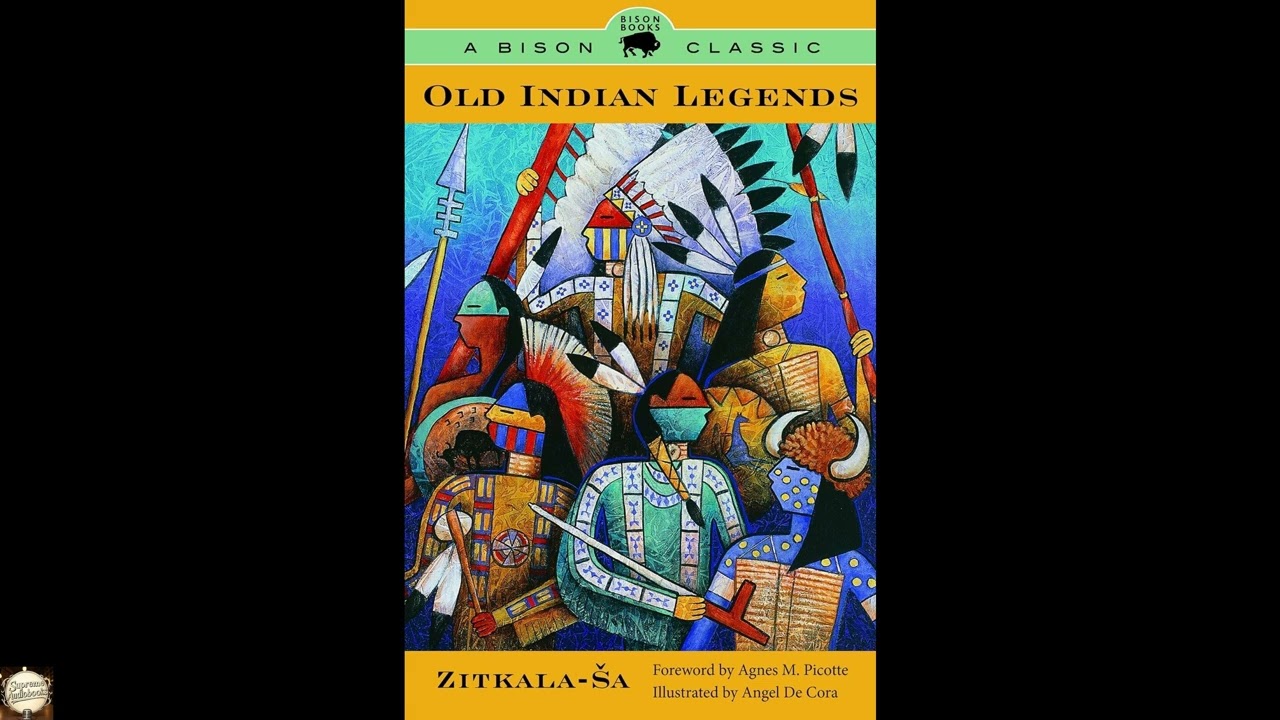
Old Indian Legends
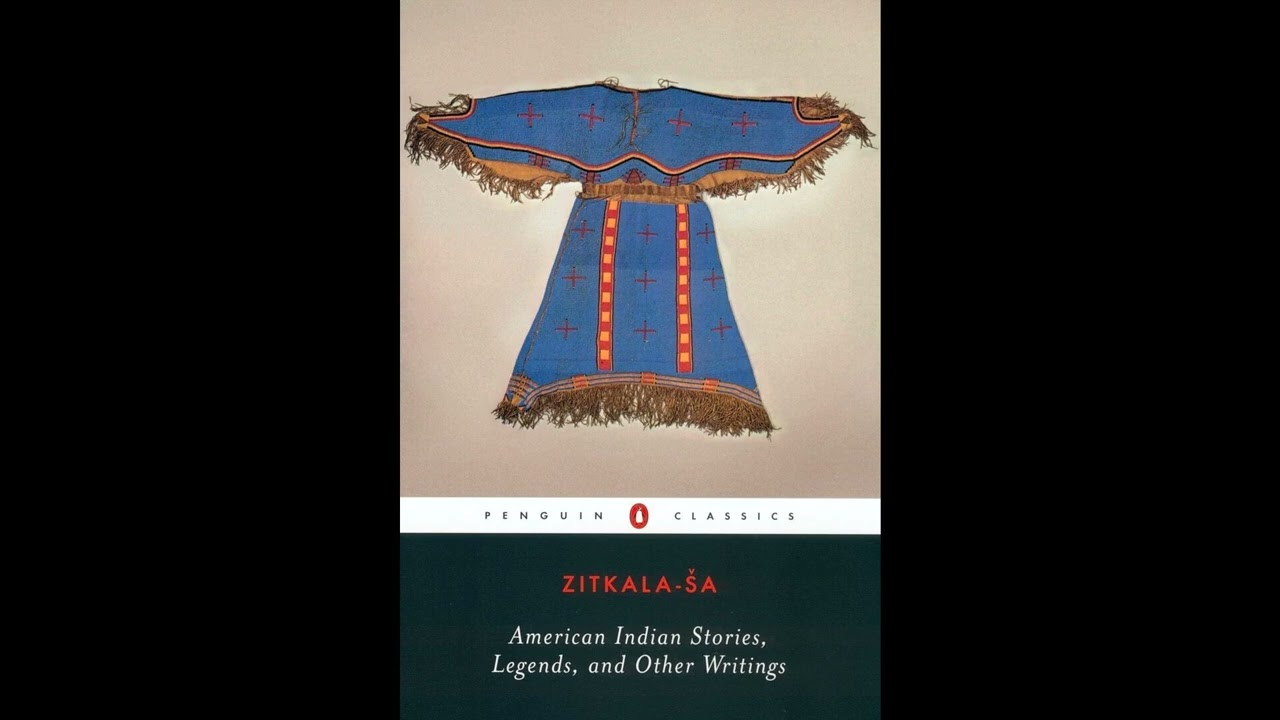
Step into a world where the wind whispers ancient secrets and animals converse with humans, where wisdom is passed through generations not by books, but by the spoken word. Zitkala-Sa's Old Indian Legends opens this gate, presenting a collection of traditional Dakota Sioux tales meticulously transcribed and retold for a wider audience. This isn’t simply a compilation of folklore; it stands as a vital act of cultural preservation, a bridge between an oral tradition and the printed page, offering listeners today a profound connection to Indigenous worldviews and storytelling traditions that continue to resonate with universal truths about human nature, the natural world, and the mysteries of existence. The collection transports listeners to the plains of what we now call the Dakotas, a land where every rock, river, and creature holds significance. The narratives vary greatly in scope and purpose, from origin stories explaining natural phenomena—how the stars came to be, or why certain animals possess their unique traits—to moral fables illustrating the consequences of vanity, greed, or kindness. Central to many of these tales is Iktomi, the trickster spider, a figure both clever and foolish, whose schemes often go comically awry, teaching listeners about human foibles and the unpredictable nature of life. Other stories feature heroic figures who confront spirits, overcome challenges, or perform great deeds for their people, embodying virtues of courage and perseverance. As listeners progress through these stories, they encounter a parade of characters—wise old women, brave warriors, mischievous children, and a host of animal personalities including bears, beavers, rabbits, and eagles—each playing a role in the unfolding dramas. The stories often begin in a time before memory, or a space where the boundaries between the human and animal realms are fluid. Conflicts typically arise from a character's desires, misjudgments, or interactions with the spirit world, leading to moments of suspense, humor, and enlightenment. Each tale stands alone, yet together they weave a larger narrative about the interconnectedness of all things and the enduring wisdom embedded in a people's understanding of their world. The author, Zitkala-Sa—born Gertrude Simmons Bonnin in 1876 on the Yankton Sioux Reservation in South Dakota—lived a life that uniquely positioned her to bring these stories to light. As a young child, she was sent away to a Quaker missionary school in Indiana, a common practice at the time intended to assimilate Native American children into Euro-American culture. This early experience profoundly shaped her perspective, sparking a lifelong dedication to advocating for Indigenous rights and cultural preservation. She continued her education at Earlham College and the Boston Conservatory of Music, where she developed her talents as a writer, musician, and orator. Zitkala-Sa later taught at the Carlisle Indian Industrial School, another assimilationist boarding school, but her critiques of the system led her to leave and pursue a career focused on writing and activism. Her autobiographical essays, published in periodicals like The Atlantic Monthly and collected in American Indian Stories (1921), offered groundbreaking, personal accounts of the psychological toll of forced assimilation. Along with her partner, Raymond Bonnin, she became a prominent political voice, working with the Society of American Indians and later co-founding the National Council of American Indians, campaigning for citizenship, voting rights, and improved healthcare for Indigenous peoples. Her Old Indian Legends, published in 1901, represents another cornerstone of her literary output, cementing her place as a pioneering figure in early 20th-century Native American literature and a crucial voice in the American literary canon. Old Indian Legends champions several core themes, perhaps none more significant than cultural affirmation and the power of storytelling itself. Zitkala-Sa did not simply reproduce these tales; she carefully translated and interpreted them, ensuring their spiritual and moral essence remained intact for an audience largely unfamiliar with Dakota cosmology. This act directly countered the prevailing forces of assimilation, asserting the richness and validity of Indigenous thought. For instance, the recurring presence of Iktomi, the trickster, highlights a deep understanding of human psychology, showing how arrogance or cleverness can backfire, as in the tale where Iktomi tries to deceive a group of unsuspecting ducks, only to find himself in a predicament. The collection also underscores the profound connection to the natural world and the moral lessons inherent in observing its patterns. Animals in these stories are not mere creatures but sentient beings, teachers, and often protagonists, reflecting the deep respect and knowledge Indigenous cultures held for their environment. A story explaining how the bear came to have a short tail, or why the rabbit is timid, doesn't just entertain; it imbues the world with meaning, offering explanations for the order of things and promoting an ethical relationship with all life forms. These tales consistently demonstrate the values of humility, generosity, and respect for community—principles that govern the interactions between characters and ultimately shape the narrative outcomes. When Zitkala-Sa penned Old Indian Legends at the turn of the twentieth century, Native American cultures faced immense pressure from the United States government's assimilation policies. This was an era of forced removal, the establishment of reservations, and boarding schools designed to "civilize" Indigenous children by suppressing their languages, religions, and cultural practices. The Dawes Act of 1887 had attempted to dismantle communal land ownership, further eroding tribal structures. In this climate, the very existence of Indigenous cultures seemed imperiled. Old Indian Legends emerged as a powerful counter-narrative to these destructive policies. Zitkala-Sa recognized the urgency of preserving her people's oral traditions before they vanished. She presented these stories not as relics of a vanishing past, but as living expressions of a sophisticated worldview, offering non-Native readers an intimate glimpse into the wisdom and beauty of Dakota culture at a time when racist stereotypes dominated public perception. Her writing was an act of cultural resistance, a plea for understanding, and a gift of heritage to future generations. Listening to Old Indian Legends as an audiobook brings these stories to life in a particularly meaningful way, restoring a sense of their original oral form. The narration allows the cadence and rhythm of the storytelling to shine, evoking the atmosphere of a communal gathering where tales are shared around a fire. A skilled narrator will differentiate characters like the sly Iktomi, the steadfast heroes, and the various animals through voice and tone, making their personalities distinct and engaging. The run length provides ample time for immersive listening without demanding too large a commitment, making it ideal for quiet reflection or accompanying daily routines. It allows the listener to fully absorb the imagery, the humor, and the deep wisdom embedded in each narrative, fostering a direct, personal connection to this invaluable cultural legacy.
Enjoyed Old Indian Legends? A few ways to support us
Audible & Amazon links are affiliate; we may earn a small commission at no extra cost.
About this production
Human narration by a volunteer reader from LibriVox.org, the public-domain audiobook project. LibriVox volunteers record literary works whose copyright has expired in the United States, releasing the resulting recordings into the public domain.
Old Indian Legends by Zitkala-Sa. The underlying text is in the U.S. public domain. We do not republish any modern copyrighted edition, translation, or commentary.
The 4K cinematic visuals accompanying this audiobook are generated by an AI image model from prompts derived from the source text. No copyrighted photos, paintings, or stock footage are used. AI generation is disclosed on every video on our YouTube channel as required by YouTube's altered/synthetic content policy.
English subtitles are transcribed from the LibriVox recording with OpenAI Whisper. Translations into the 11 other supported languages are produced by Meta's NLLB-200 neural translation model. No human translator's copyrighted translation is used.
Questions about sourcing or rights? See our DMCA & Sourcing policy or contact us.
Enjoyed this audiobook?
If you'd like to own a copy of Old Indian Legends or hear a professionally produced edition, the links below help support free audiobook production at no extra cost to you.
As an Amazon Associate we earn from qualifying purchases. Audible / print links are affiliate.