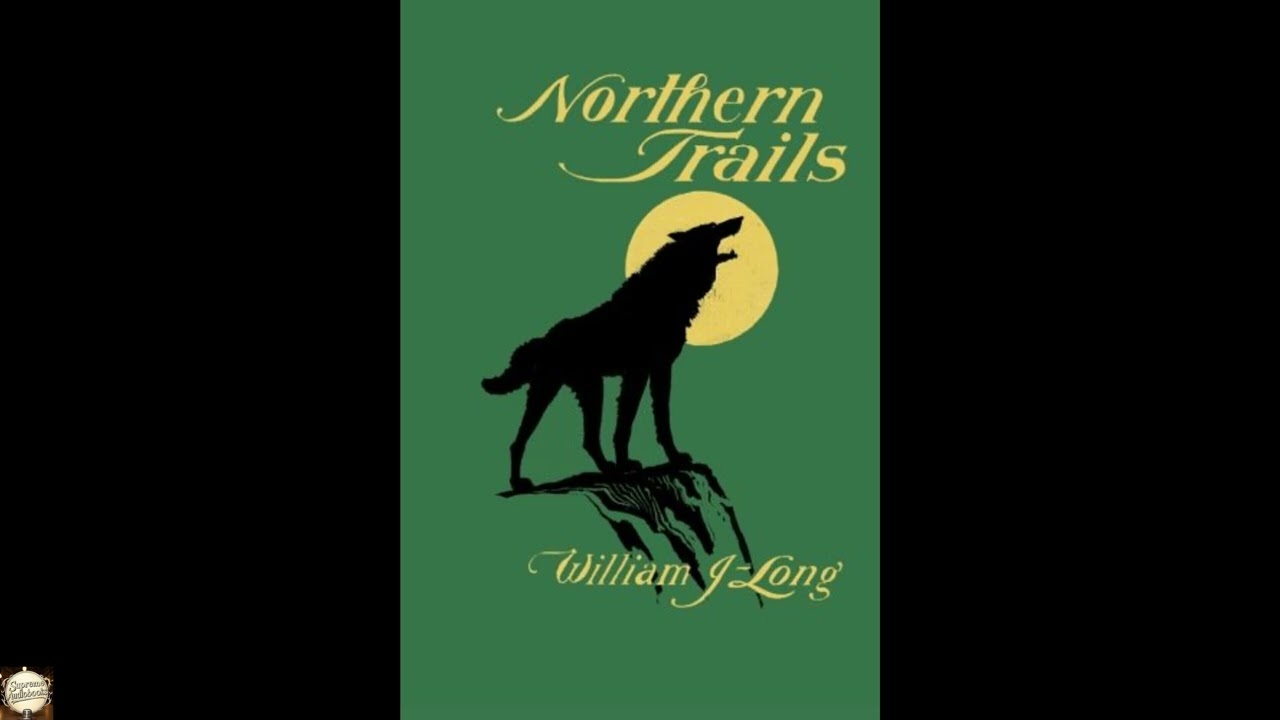
Northern Trails
"Northern Trails" by William J. Long offers a gateway to a world of untamed beauty and profound animal wisdom, a collection of stories that resonate as powerfully today as they did over a century ago. This isn't merely a book about animals; it's a testament to the intricate intelligence, resilience, and unique spirit of the creatures inhabiting the North American wilderness. In an age of increasing disconnection from the natural world, Long's observations serve as a vital reminder of the complex web of life that sustains us all, inviting listeners to pause, listen, and reconnect with the primal rhythms of survival and existence. The enduring appeal of these narratives lies in their ability to foster a deep sense of empathy for the wild inhabitants of our planet, urging us to look beyond superficial appearances and recognize the rich inner lives of our animal kin. The setting for these compelling tales is the vast, often formidable, Northern wilderness—stretching from the snow-laden forests of Maine and Canada to the desolate expanses of the Arctic. Within these landscapes, Long introduces us to a diverse cast of inhabitants, not as characters in a human drama, but as beings living out their own compelling sagas. We meet the cunning wolves navigating the harsh winter, the industrious beavers shaping their aquatic homes, the powerful bears asserting their dominance, and the elusive lynx, masters of silent pursuit. While no single "main character" drives a conventional plot, each chapter brings to life a different animal or species, focusing on their daily struggles, triumphs, and the ingenious ways they adapt to their environment. The narrative arc unfolds not through a singular, overarching conflict, but through a series of vivid vignettes that collectively illustrate the grand design of nature. Listeners will follow a young moose calf learning to survive its first winter, witness the strategic hunts of a pack of wolves, and observe the patient watchfulness of an owl. The central tension in each account stems from the animals' ceaseless struggle for survival—against hunger, against the elements, against rival species, and occasionally, against human encroachment. These aren't sentimentalized portrayals; Long presents the often-brutal realities of predator and prey, the starkness of scarcity, and the profound satisfaction of a hard-won victory in the wild. His writing captures the subtle dramas playing out constantly in the hidden corners of the forest, showcasing the instincts, learned behaviors, and even what he perceived as distinct personalities that govern animal lives. William J. Long (1867-1952) was an American naturalist, writer, and Congregational minister whose profound connection to the wild profoundly shaped his literary output. Born in North Attleboro, Massachusetts, he spent a significant portion of his life immersed in the natural world, particularly the remote forests and waterways of the North. This direct experience formed the bedrock of his popular nature books, which garnered widespread attention in the early 20th century. Long's meticulous observations and evocative prose aimed to bring the wilderness into the homes and hearts of a rapidly urbanizing population, fostering a sense of wonder and respect for wildlife. His other notable works include "Ways of the Wood Folk," "Wilderness Ways," and "School of the Woods," all of which shared a similar focus on animal behavior and natural history. Long stood as a prominent figure in the nature writing movement of his era, a period that saw a surge in public interest in the outdoors. While celebrated for making nature accessible, his tendency to imbue animals with complex reasoning and emotional depth—a characteristic often termed "anthropomorphism"—sparked a famous controversy known as the "nature fakers" debate. Despite the critiques from figures like John Burroughs and Theodore Roosevelt concerning scientific accuracy, Long's works undeniably played a crucial role in popularizing nature study and laying groundwork for later environmental awareness. One of the central themes woven throughout "Northern Trails" is the concept of animal intelligence and learned behavior, often exceeding mere instinct. Long presents numerous instances where animals demonstrate problem-solving abilities or strategic thinking. For example, he describes a bear’s methodical approach to finding food or a beaver’s engineering prowess in constructing dams, suggesting a deeper cognitive process at work than simple impulse. Another profound theme is the inescapable cycle of life and death in the wilderness. Listeners hear tales of the relentless hunt, the desperate flight of prey, and the inevitable outcomes of natural selection, illustrating how each life and death contributes to the larger balance of the ecosystem without judgment or sentimentality. Further, the collection frequently highlights the resilience and adaptability of wild creatures. Whether it is a fox outwitting its pursuers or a bird surviving a bitter winter, the stories consistently underscore the tenacity with which animals cling to life and adjust to the most challenging conditions. A subtle but potent theme also emerges regarding humanity's place within the natural order. Long, as observer, reminds us that while we are distinct, we are also inherently connected to this wild realm, fostering a sense of shared existence rather than dominion. Through his eyes, we understand that the wisdom of the forest is not solely for its animal inhabitants but holds lessons for us all. "Northern Trails" first appeared at a fascinating juncture in American history, during the late 19th and early 20th centuries. This period saw rapid industrialization and urbanization transforming the landscape and the populace. As cities expanded and technology advanced, many Americans found themselves increasingly removed from direct contact with nature. This cultural shift generated a profound public yearning for wild spaces and a greater understanding of the natural world, which nature writers like Long sought to satisfy. Simultaneously, the conservation movement was gaining momentum, with figures like Theodore Roosevelt championing the preservation of wilderness areas and advocating for a deeper appreciation of America's natural heritage. Long's writings emerged directly into this climate, offering both an escape and an education. His accessible style and compelling narratives made nature study engaging for a broad audience, playing a part in shaping public attitudes towards wildlife at a time when the continent's wild spaces were under increasing pressure. His work helped to cement nature writing as a significant genre, contributing to a growing national conversation about conservation and environmental stewardship. Listening to "Northern Trails" as an audiobook offers a singular opportunity to immerse oneself in Long's vivid descriptions of the wilderness. The narration, ideally performed with a quiet authority and a deep appreciation for the subject matter, becomes a vital guide through these untamed landscapes. With several hours of content, this production is perfectly suited for long commutes, a quiet afternoon spent outdoors, or as a contemplative backdrop to household tasks. Listen for the narrator's pacing, which should ideally reflect the deliberate, observational rhythm of the stories, allowing time for the powerful imagery to settle. The voice itself should convey both the harsh realities of survival and the profound wonder Long felt for the creatures he studied. While human dialogue is sparse, the atmosphere created by the soundscape and the descriptive language will transport listeners directly into the heart of the Northern wild, making the animal actions and calls feel like their own form of communication.
Enjoyed Northern Trails? A few ways to support us
Audible & Amazon links are affiliate; we may earn a small commission at no extra cost.
About this production
Human narration by a volunteer reader from LibriVox.org, the public-domain audiobook project. LibriVox volunteers record literary works whose copyright has expired in the United States, releasing the resulting recordings into the public domain.
Northern Trails by William J. Long. The underlying text is in the U.S. public domain. We do not republish any modern copyrighted edition, translation, or commentary.
The 4K cinematic visuals accompanying this audiobook are generated by an AI image model from prompts derived from the source text. No copyrighted photos, paintings, or stock footage are used. AI generation is disclosed on every video on our YouTube channel as required by YouTube's altered/synthetic content policy.
English subtitles are transcribed from the LibriVox recording with OpenAI Whisper. Translations into the 11 other supported languages are produced by Meta's NLLB-200 neural translation model. No human translator's copyrighted translation is used.
Questions about sourcing or rights? See our DMCA & Sourcing policy or contact us.
Enjoyed this audiobook?
If you'd like to own a copy of Northern Trails or hear a professionally produced edition, the links below help support free audiobook production at no extra cost to you.
As an Amazon Associate we earn from qualifying purchases. Audible / print links are affiliate.