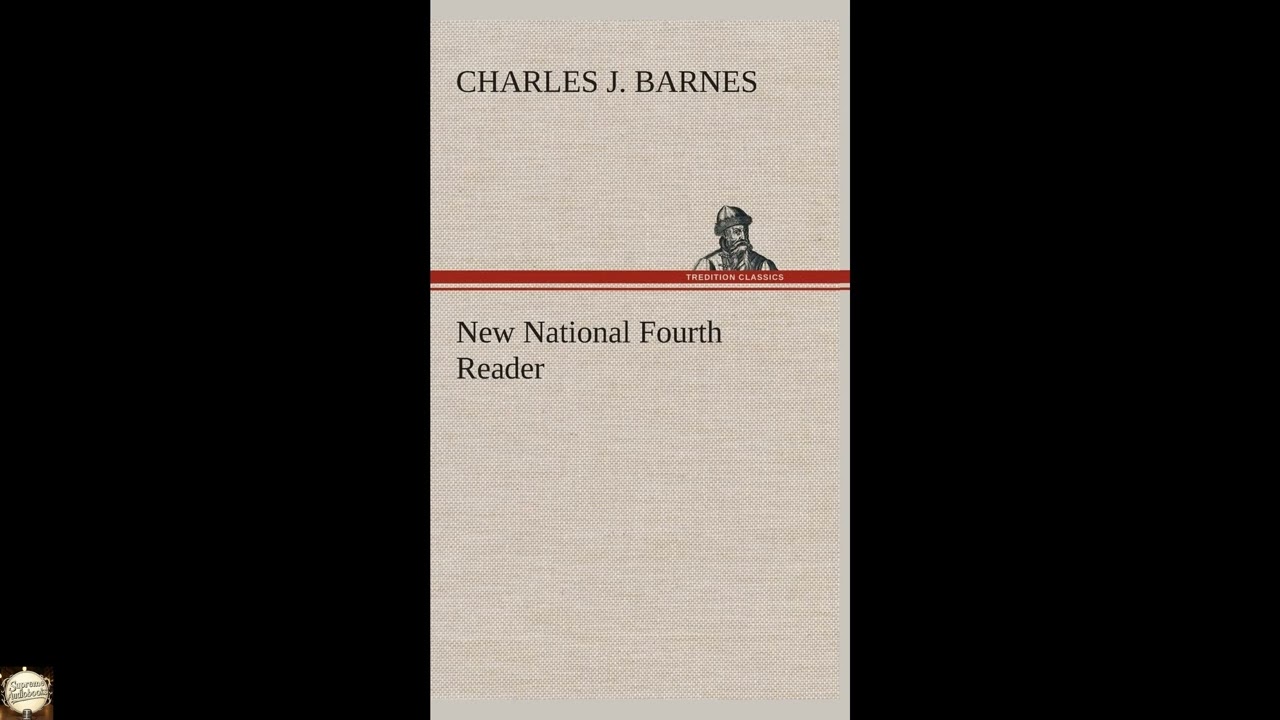
New National Fourth Reader
To open the pages of the New National Fourth Reader is to step through a quiet portal into the educational landscape of an earlier America, an era when the schoolhouse was a primary forge of character and intellect. This significant collection of literary selections, assembled by Charles J Barnes, stands not merely as a relic of instructional methodology but as a profound testament to the values, aspirations, and foundational knowledge imparted to countless young minds. For the modern listener, this audiobook offers a unique opportunity to experience the very texts that shaped the worldview of generations past, allowing us to understand not just what students learned, but how they learned to engage with language, morality, and the wider world. It is a chance to trace the origins of cultural literacy and witness the building blocks of a shared national identity taking shape through carefully chosen words. Unlike a novel with a single overarching narrative, the New National Fourth Reader presents a curated intellectual program, designed to shepherd students through a progression of literary forms and thematic considerations. Its setting is less a geographical location and more the developing mind of the student, guided from one carefully chosen piece to the next. The book functions as a dynamic literary landscape, presenting readers with everything from evocative poetry describing natural wonders to stirring historical narratives, from allegories that subtly impart moral lessons to factual essays that expand one’s understanding of the world. One might find oneself transported to a quiet, reflective moment in a pastoral setting, then suddenly swept into the drama of a pivotal historical event, or brought into the earnest contemplation of a philosophical ideal. The "characters" within this reader are as diverse as the selections themselves. Students encounter a gallery of figures: brave heroes of classical antiquity, industrious individuals demonstrating the virtues of perseverance and honesty, figures from American history embodying patriotism and civic duty, and the eloquent speakers of great speeches designed to inspire and inform. The central "conflict," if it can be called such, is the continual striving for understanding and personal growth. Each selection presents a new challenge or insight, urging the reader to consider different perspectives, to hone their analytical skills, and to internalize the ethical frameworks presented. The arc of the book, therefore, is not a linear story but a gradual ascension of knowledge and moral discernment, building from simpler narratives to more complex literary expressions, all aimed at fostering well-rounded and responsible citizens. The author, Charles J Barnes, belongs to a crucial class of educators and editors whose work, though often overlooked in traditional literary studies, profoundly influenced the intellectual development of a nation. While specific biographical details may be obscured by the passage of time, Barnes’s role as the compiler of the New National Fourth Reader marks him as an individual deeply invested in pedagogy and the transmission of cultural values. These "readers" were not just random compilations; they were meticulously planned curricula, reflecting prevailing educational philosophies and societal expectations. Barnes’s work demonstrates a thoughtful approach to selecting materials that would not only improve reading proficiency but also instill a strong moral compass and a sense of national belonging. His contribution lies in his discerning eye for impactful texts and his organizational skill in structuring a learning experience that was both rigorous and engaging for young students. Like many such educational figures of his time, Barnes was instrumental in shaping the intellectual diet of generations. His efforts, alongside those of contemporary educators, helped to standardize curricula and provide accessible, high-quality content for schools across the country. Through such works, he played a quiet but undeniable part in fostering a common cultural literacy, ensuring that students from varied backgrounds were exposed to a shared body of literature and foundational ideas. Though not a creator of original literary works in the conventional sense, Barnes was an architect of the very frameworks through which literature was introduced and understood, earning him a significant if often unsung place in the broader educational and literary history of his period. The selections within the New National Fourth Reader are unified by several powerful themes central to the pedagogical goals of its time. One prominent theme is that of moral instruction and character building. Many stories and anecdotes subtly, or sometimes overtly, illustrate virtues such as honesty, diligence, courage, and compassion. For instance, a common type of story might present a child facing a dilemma and choosing the path of integrity, perhaps returning a lost coin despite personal need, thereby demonstrating the intrinsic reward of upright conduct. Another recurring theme is patriotism and civic duty. The reader frequently features selections that celebrate national heroes, pivotal historical moments, or the ideals upon which the nation was founded. These might include excerpts from historical speeches or poems honoring national figures, designed to foster a sense of pride and responsibility towards one's country, reinforcing the idea of a shared American identity. A third significant theme is the appreciation of nature and its beauty. Many poems and descriptive passages invite students to observe and value the natural world around them, from the majesty of mountains to the quiet grace of a forest path, often imbuing these natural scenes with spiritual or contemplative meaning. A typical poem might paint a vivid picture of a sunset or the changing seasons, encouraging an aesthetic sensibility and a connection to the environment. Finally, the collection implicitly, and sometimes explicitly, champions the power of language and the value of literacy itself. By presenting well-crafted prose and poetry, the book not only teaches reading but also cultivates an appreciation for the beauty and precision of words, demonstrating how language can be used to inform, persuade, inspire, and delight, thus reinforcing the very purpose of the reader as an instrument of enlightenment. The period in which readers like the New National Fourth Reader flourished was a transformative era for American education and society. Following the turbulence of the Civil War, there was a concerted effort to unify the nation and establish a common cultural foundation. Public education was rapidly expanding, seen as vital for creating informed citizens and integrating immigrant populations into American society. Textbooks played a crucial role in standardizing instruction and disseminating shared values across diverse regions. Culturally, there was a strong emphasis on moral uplift, self-improvement, and the development of responsible, productive citizens. Literary tastes often favored didacticism, where literature was expected not only to entertain but also to instruct and morally edify. This educational impulse reflected broader societal shifts, as the nation grappled with industrialization, urbanization, and a rapidly changing social fabric. The "Reader" emerged as a direct response to the need for accessible, age-appropriate material that could deliver both fundamental reading skills and essential civic and moral lessons. It was a time when the schoolroom was tasked with shaping not just intellect, but character, and these comprehensive anthologies were the primary vehicle for achieving those ambitious goals, blending classic literary snippets with contemporary pieces that resonated with the daily lives and aspirations of American youth. Listening to the New National Fourth Reader as an audiobook transforms it from a historical textbook into an immediate and engaging experience. The narrator's voice becomes the conduit through which these diverse literary selections are brought to life, serving as the guide that once stood before a classroom. Listen for the versatility of the voice performance, how the narrator shifts tone and cadence to honor the distinct character of each piece – from the solemnity of a historical address to the lightheartedness of a children’s poem, from the drama of a heroic tale to the quiet contemplation of a philosophical essay. The "several hours" run length makes it ideal for dipping in and out, allowing you to absorb each piece individually or to experience the cumulative effect of the curriculum as it unfolds. The pacing will likely vary with the nature of the selection, offering moments of measured reflection alongside more dynamic recitations. It is an opportunity to hear the very rhythms and expressions that would have been emphasized in elocution lessons of the past, recreating the atmosphere of a time when the spoken word held profound instructional power.
Enjoyed New National Fourth Reader? A few ways to support us
Audible & Amazon links are affiliate; we may earn a small commission at no extra cost.
About this production
Human narration by a volunteer reader from LibriVox.org, the public-domain audiobook project. LibriVox volunteers record literary works whose copyright has expired in the United States, releasing the resulting recordings into the public domain.
New National Fourth Reader by Charles J Barnes. The underlying text is in the U.S. public domain. We do not republish any modern copyrighted edition, translation, or commentary.
The 4K cinematic visuals accompanying this audiobook are generated by an AI image model from prompts derived from the source text. No copyrighted photos, paintings, or stock footage are used. AI generation is disclosed on every video on our YouTube channel as required by YouTube's altered/synthetic content policy.
English subtitles are transcribed from the LibriVox recording with OpenAI Whisper. Translations into the 11 other supported languages are produced by Meta's NLLB-200 neural translation model. No human translator's copyrighted translation is used.
Questions about sourcing or rights? See our DMCA & Sourcing policy or contact us.
Enjoyed this audiobook?
If you'd like to own a copy of New National Fourth Reader or hear a professionally produced edition, the links below help support free audiobook production at no extra cost to you.
As an Amazon Associate we earn from qualifying purchases. Audible / print links are affiliate.