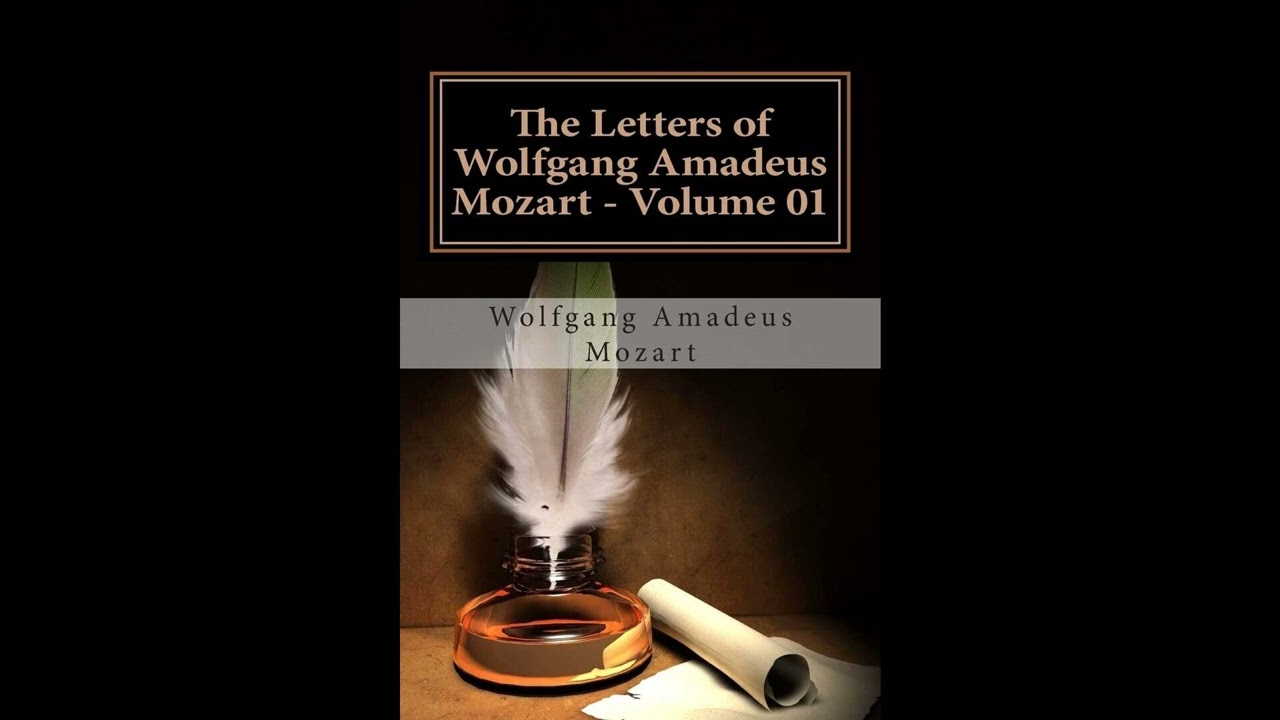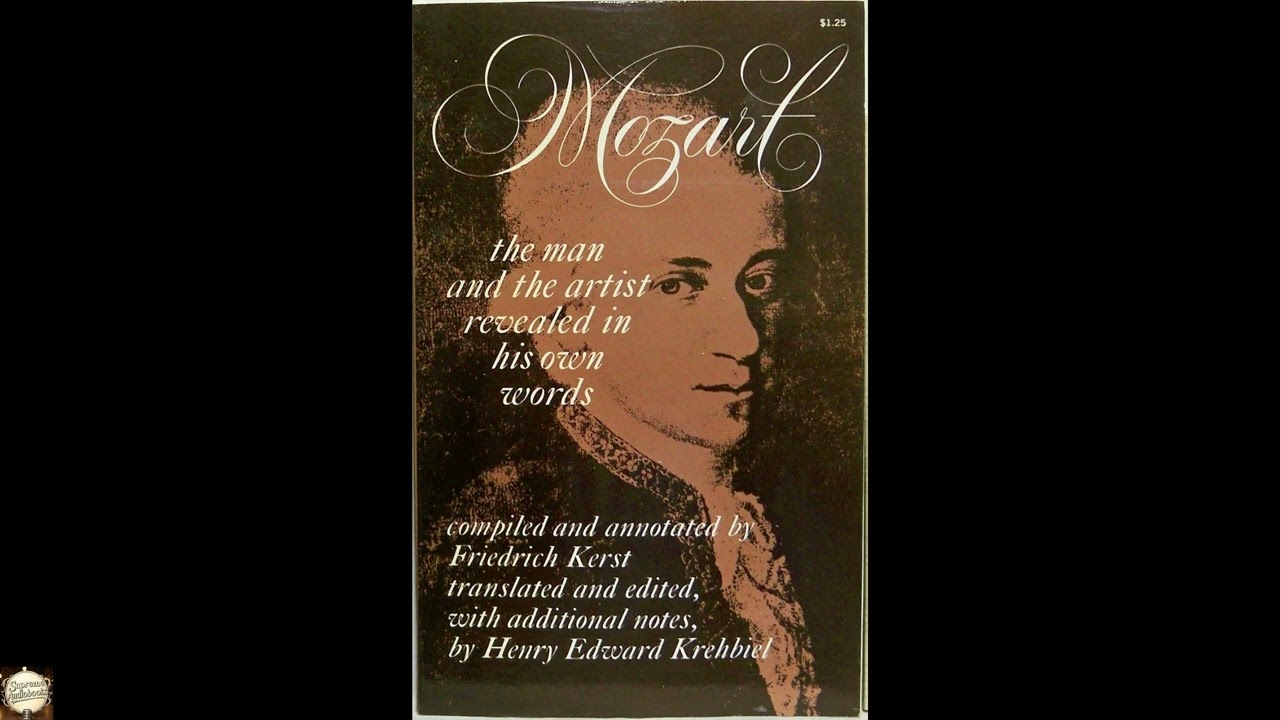
Mozart: The Man and the Artist Revealed in His Own Words Dover Books On Music: Comp osers- Audiobook
To truly understand a genius, one must move beyond the hagiography and academic analysis, and instead seek the raw, unfiltered voice of the individual themselves. "Mozart: The Man and the Artist Revealed in His Own Words" offers precisely this intimate access, presenting Wolfgang Amadeus Mozart not as a distant icon, but as a living, breathing human being, flawed and brilliant in equal measure. This collection of his personal letters and other writings pulls back the curtain on the creative process, the daily struggles, and the profound emotional landscape of one of history's greatest composers. It's an opportunity to hear the man speak across centuries, offering insights into ambition, familial love, financial woes, and the relentless pursuit of artistic perfection—all topics that resonate with anyone striving to create and thrive today. The "story" within these pages is nothing less than the compelling, often tumultuous life of Mozart, as narrated by his most reliable source: himself. From his early days as a child prodigy, dazzling European courts alongside his sister, Nannerl, to his eventual, hard-won independence as a composer in Vienna, listeners witness the trajectory of an extraordinary talent. The setting shifts from the provincial confines of Salzburg, under the demanding eye of his father, Leopold, to the grand, yet often indifferent, imperial city of Vienna, bustling with aristocratic patrons and rival musicians. Central to this unfolding narrative is Mozart's constant push and pull against the societal norms of his era—his desire for creative freedom clashing with the entrenched system of aristocratic patronage, his artistic integrity often at odds with the need for financial stability. We follow Mozart through his travels across Europe, recording his impressions of different cities, his often humorous observations of people, and his increasingly fervent desire to escape the strictures of his upbringing and the suffocating control of Archbishop Colloredo. The letters reveal his passionate love for his wife, Constanze, his exasperation with difficult patrons, and his unwavering dedication to his craft, even amidst illness and debt. This is not a detached biographical account, but an immediate, moment-by-moment rendering of a life lived at full throttle. The arc follows his development from an obedient son and precocious entertainer into a confident, sometimes arrogant, independent artist, navigating the complex world of 18th-century classical music with both strategic brilliance and occasional naivete, all the while pouring out his thoughts and feelings onto paper for those closest to him. Given that the author of this particular compilation is listed as "Unknown," the work itself stands as a testament to the enduring fascination with primary sources and the desire to connect directly with historical figures. Collections like "Mozart: The Man and the Artist Revealed in His Own Words" represent a tradition of scholarly dedication, where researchers and editors meticulously gather, transcribe, and translate the scattered personal documents of influential personalities. The value lies in the authenticity of these materials—letters, diary entries, memoranda—which offer an unparalleled window into an individual's private thoughts and immediate reactions to their world. This particular volume, part of the respected Dover Books On Music series, underscores the importance of these direct records in understanding not just the music of composers, but the human beings behind the scores. It’s through such diligent curation that the intimate, everyday voice of a figure like Mozart can be preserved and shared, allowing future generations to gain insight unfiltered by later interpretations or biographies. The literary significance of this kind of collection lies in its direct portrayal of several compelling themes. One central theme is the perennial conflict between genius and the mundane realities of life. Mozart's letters frequently juxtapose profound musical insights with exasperated complaints about a broken harpsichord or the exorbitant cost of lodging. For example, he might write of a new aria taking shape in his mind, only to pivot to a plea to his father for more money, or a lament about his ailing health after a grueling performance schedule. This stark contrast vividly illustrates that even the most sublime artistic minds are tethered to the prosaic needs and frustrations common to all humanity. Another prominent theme is the nature of familial love and obligation. His correspondence with his father, Leopold, is particularly revealing, oscillating between deep affection, intellectual sparring, and a son's struggle for independence against a domineering, yet loving, parent. His tender and sometimes boisterous letters to his wife, Constanze, equally reveal the depths of his personal attachments and the emotional support he sought. Furthermore, the collection keenly highlights the theme of artistic ambition versus the constraints of patronage. Mozart's letters frequently detail his frustrations with the restrictive demands of his aristocratic employers, particularly his efforts to break free from the Archbishop of Salzburg and establish himself as a freelance composer in Vienna. He writes passionately about his desire to compose the music he felt called to create, rather than merely fulfilling commissions for his superiors. This reveals the early stirrings of the modern independent artist—a struggle for creative autonomy that still resonates today. Finally, the letters showcase Mozart's astonishing emotional range and wit. From playful, often crude humor shared with family members, to expressions of profound artistic joy and intense despair over personal setbacks or professional disappointments, his words paint a portrait of a man of immense feeling, whose personality leaps off the page with engaging clarity. This compilation emerged from an 18th-century European landscape defined by both burgeoning Enlightenment ideals and rigid social hierarchies. The era saw a gradual shift in the status of artists, from glorified servants to something approaching independent creators, though the patronage system remained dominant. Letters were the primary form of long-distance communication, making them invaluable records of daily life, political maneuvering, and personal sentiments. Culturally, there was a growing public appetite for biography and for understanding the lives of great figures, reflecting an increasing emphasis on individualism and the human experience. Mozart, living in this pivotal period, was both a product of the old order and a harbinger of the new, struggling to forge a path where his prodigious talent could flourish outside traditional constraints. His outspokenness and desire for autonomy, vividly documented in his correspondence, reflect the changing intellectual currents that valued personal expression and individual merit, even as the political world remained largely aristocratic. Listening to Mozart's own words as an audiobook provides an unparalleled level of immediacy and connection. The "several hours" runtime allows for a deep immersion into his world, letting listeners hear the evolution of his voice and personality over time. A skilled narrator can bring out the varying tones present in the letters—the youthful exuberance, the mature composer's authority, the desperate pleas for funds, the tender expressions of love, and the flashes of characteristic wit. The pacing of the narration can echo the urgency or the reflective pauses within his writing, allowing listeners to truly feel the emotional currents. The spoken word adds a layer of authenticity to these historical documents, transforming what might otherwise be a static collection of texts into a dynamic, personal encounter with Wolfgang Amadeus Mozart himself, letting his spirit speak directly to the present moment.
Enjoyed Mozart: The Man and the Artist Revealed in His Own Words Dover Books On Music: Comp osers- Audiobook? A few ways to support us
Audible & Amazon links are affiliate; we may earn a small commission at no extra cost.
About this production
Human narration by a volunteer reader from LibriVox.org, the public-domain audiobook project. LibriVox volunteers record literary works whose copyright has expired in the United States, releasing the resulting recordings into the public domain.
Mozart: The Man and the Artist Revealed in His Own Words Dover Books On Music: Comp osers- Audiobook by Wolfgang Amadeus Mozart. The underlying text is in the U.S. public domain. We do not republish any modern copyrighted edition, translation, or commentary.
The 4K cinematic visuals accompanying this audiobook are generated by an AI image model from prompts derived from the source text. No copyrighted photos, paintings, or stock footage are used. AI generation is disclosed on every video on our YouTube channel as required by YouTube's altered/synthetic content policy.
English subtitles are transcribed from the LibriVox recording with OpenAI Whisper. Translations into the 11 other supported languages are produced by Meta's NLLB-200 neural translation model. No human translator's copyrighted translation is used.
Questions about sourcing or rights? See our DMCA & Sourcing policy or contact us.
Enjoyed this audiobook?
If you'd like to own a copy of Mozart: The Man and the Artist Revealed in His Own Words Dover Books On Music: Comp osers- Audiobook or hear a professionally produced edition, the links below help support free audiobook production at no extra cost to you.
As an Amazon Associate we earn from qualifying purchases. Audible / print links are affiliate.