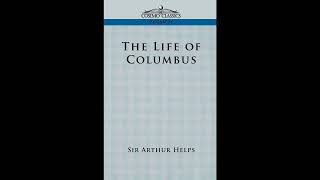
The Life of Columbus: From His Own Letters and Journals and Other Documents of His T- Full Audiobook
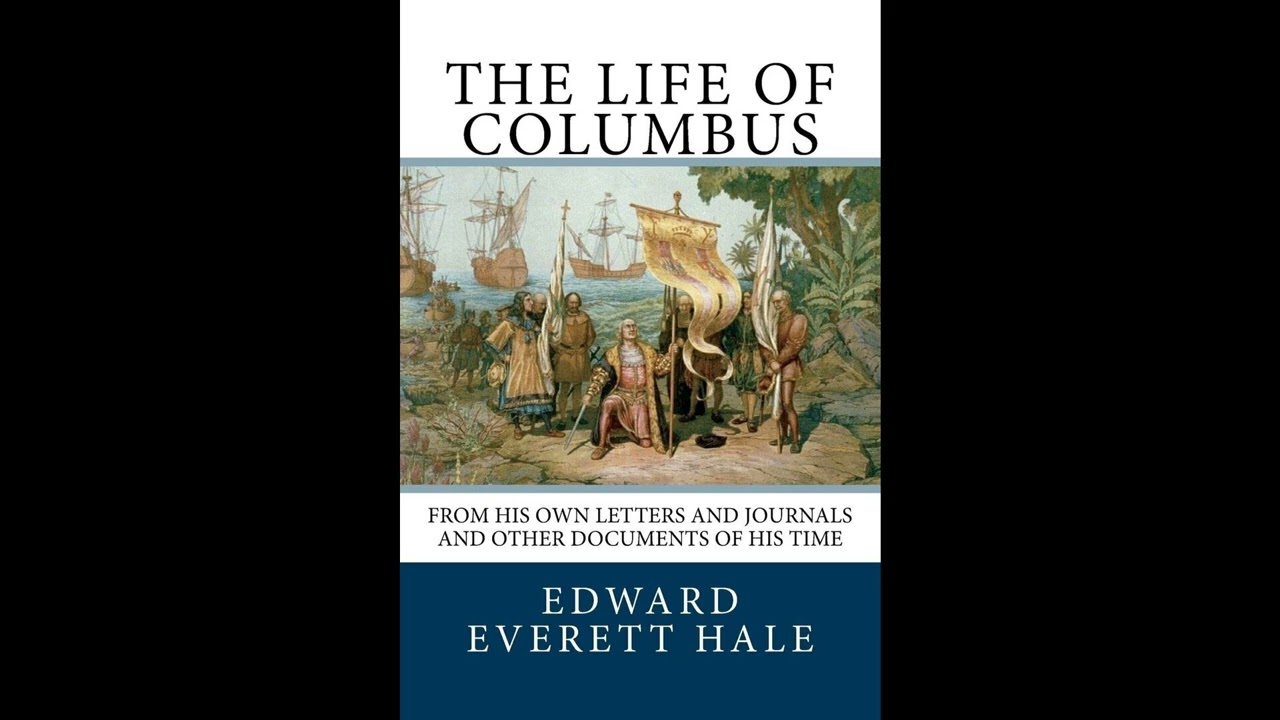
Step into the mind of the man who dramatically altered the course of human history, a figure whose very name conjures both admiration and controversy. This singular audiobook offers an unparalleled opportunity to encounter Christopher Columbus through his own words, drawing directly from his letters, the meticulous logs he kept on his voyages, and a wealth of other contemporary documents. It is a chronicle not just of discovery, but of ambition, faith, and the profound collision of worlds that continues to shape our present. For anyone seeking to understand the origins of globalization, the complexities of historical legacy, or the sheer audacity of human endeavor, this direct account provides a foundational, often startling, perspective rarely experienced with such immediacy. The narrative unfolds in the late 15th century, a time when the known world was still bounded by significant geographic and conceptual limits. We meet Christopher Columbus as a persistent, almost obsessive mariner, convinced that a westward route across the Atlantic Ocean would lead directly to the opulent riches of the Indies. The initial chapters detail his protracted, often frustrating, efforts to secure patronage from various European monarchs, particularly the Spanish crown of Ferdinand and Isabella. These passages lay bare his unwavering conviction, his detailed if flawed understanding of geography, and his strategic prowess in negotiation, all against the backdrop of a continent on the cusp of radical change. Once funding is secured, the story shifts to the high seas, describing in vivid detail the challenges and uncertainties of trans-oceanic navigation. Listeners are transported aboard the Santa María, Niña, and Pinta, enduring the anxieties of a crew sailing into the unknown. The text captures the fear of the open ocean, the constant battle against the elements, and the eventual, thrilling moment of sighting land. These early encounters with the indigenous peoples of the Caribbean — their customs, their lands, their initial reception of the Europeans — are recorded with a blend of awe, curiosity, and an underlying sense of proprietary entitlement that foreshadows the complex future of these interactions. The book meticulously traces the progression of his first major voyages, laying the groundwork for the profound impact his discoveries would have on Europe and the Americas alike. While the specific compiler or "author" of this collection remains unnamed, the work itself stands as a powerful testament to the tradition of historical documentation and biographical reconstruction. In an era before modern historical analysis, the gathering and presentation of primary sources like Columbus's own letters and journals offered readers direct access to a historical figure's lived experience and thoughts. The unknown hand behind this compilation acted as a meticulous curator, selecting and arranging these disparate documents to forge a coherent narrative of Columbus's life and exploits. The goal was not necessarily interpretation, but rather presentation – allowing Columbus, through his own handwritten accounts, to present his vision, his challenges, and his perceptions of the world he encountered. This approach offers a unique window into how historical figures were understood and presented in the centuries following their actions, highlighting the enduring value placed on original testimony. Central to this book is the theme of unbridled ambition and the unwavering pursuit of a vision. Columbus's relentless petitions to skeptical monarchs, his detailed calculations, and his sheer determination to sail west illustrate a man consumed by a singular goal, prepared to overcome any obstacle. For instance, his repeated assurances to his nervous crew that land was near, even when doubt was rampant, underscores his iron will and his capacity to project confidence amidst uncertainty. Another prominent theme is the dramatic collision of cultures. His initial observations of the indigenous inhabitants, often described with a mixture of wonder and strategic assessment for their potential conversion or subjugation, starkly reveal the profound differences in worldview and the seeds of future conflict inherent in the encounter. Furthermore, the text powerfully articulates the awe and terror of facing the unknown. The fear of sailing beyond the "Pillars of Hercules" into an uncharted ocean, the descriptions of strange new flora and fauna, and the sheer scale of the new continents encountered, all contribute to a sense of humanity pushing against the very edge of its known existence. This experience is interwoven with the theme of power and authority. Columbus’s struggles to maintain control over his men, his attempts to establish governance in the new territories, and his reliance on royal patronage for legitimacy, all demonstrate the precarious nature of leadership in a nascent colonial enterprise. His letters back to Spain often plead for support and justify his actions, painting a picture of a man constantly balancing discovery with the demands of administration and politics. This detailed compilation emerged from a cultural and intellectual landscape keenly interested in recording and understanding significant historical events and figures. The late 15th and early 16th centuries marked the zenith of the Age of Exploration, fueled by European nations’ desire for new trade routes, wealth, and expanding influence. Advances in cartography, shipbuilding, and navigation made such voyages feasible, while a burgeoning sense of national pride and religious fervor provided potent motivations. Spain, having recently completed the Reconquista and unified under Ferdinand and Isabella, was particularly eager to extend its reach and convert new populations. The practice of compiling personal letters, reports, and official documents to form a biographical narrative was a common and respected way to preserve history, offering future generations direct access to the perspectives of those who shaped the world. This work fits squarely into that tradition, created to chronicle and preserve the voice of a man whose actions dramatically reshaped global understanding. Listening to this account as an audiobook offers a uniquely compelling and immersive way to absorb this foundational historical document. The run length, measured in several hours, provides ample time to settle into the historical period and truly comprehend the scale of Columbus’s ambition and the magnitude of his achievements and their consequences. A skilled narrator can bring immediacy to these historical records, differentiating between the hopeful, often self-aggrandizing tones of Columbus’s own missives and the more detached observations found in other contemporary documents. The pacing allows for the slow build-up of tension during the transatlantic voyages, the wonder of first sightings, and the growing complexities of cultural interaction. The very act of hearing these words, rather than silently reading them, transforms primary source material into a dynamic, unfolding drama, making the anxieties, triumphs, and profound historical shifts of the late 15th century feel palpable and present.
Enjoyed The Life of Columbus: From His Own Letters and Journals and Other Documents of His T- Full Audiobook? A few ways to support us
Audible & Amazon links are affiliate; we may earn a small commission at no extra cost.
About this production
Human narration by a volunteer reader from LibriVox.org, the public-domain audiobook project. LibriVox volunteers record literary works whose copyright has expired in the United States, releasing the resulting recordings into the public domain.
The Life of Columbus: From His Own Letters and Journals and Other Documents of His T- Full Audiobook by Christopher Columbus. The underlying text is in the U.S. public domain. We do not republish any modern copyrighted edition, translation, or commentary.
The 4K cinematic visuals accompanying this audiobook are generated by an AI image model from prompts derived from the source text. No copyrighted photos, paintings, or stock footage are used. AI generation is disclosed on every video on our YouTube channel as required by YouTube's altered/synthetic content policy.
English subtitles are transcribed from the LibriVox recording with OpenAI Whisper. Translations into the 11 other supported languages are produced by Meta's NLLB-200 neural translation model. No human translator's copyrighted translation is used.
Questions about sourcing or rights? See our DMCA & Sourcing policy or contact us.
Enjoyed this audiobook?
If you'd like to own a copy of The Life of Columbus: From His Own Letters and Journals and Other Documents of His T- Full Audiobook or hear a professionally produced edition, the links below help support free audiobook production at no extra cost to you.
As an Amazon Associate we earn from qualifying purchases. Audible / print links are affiliate.